fufufafa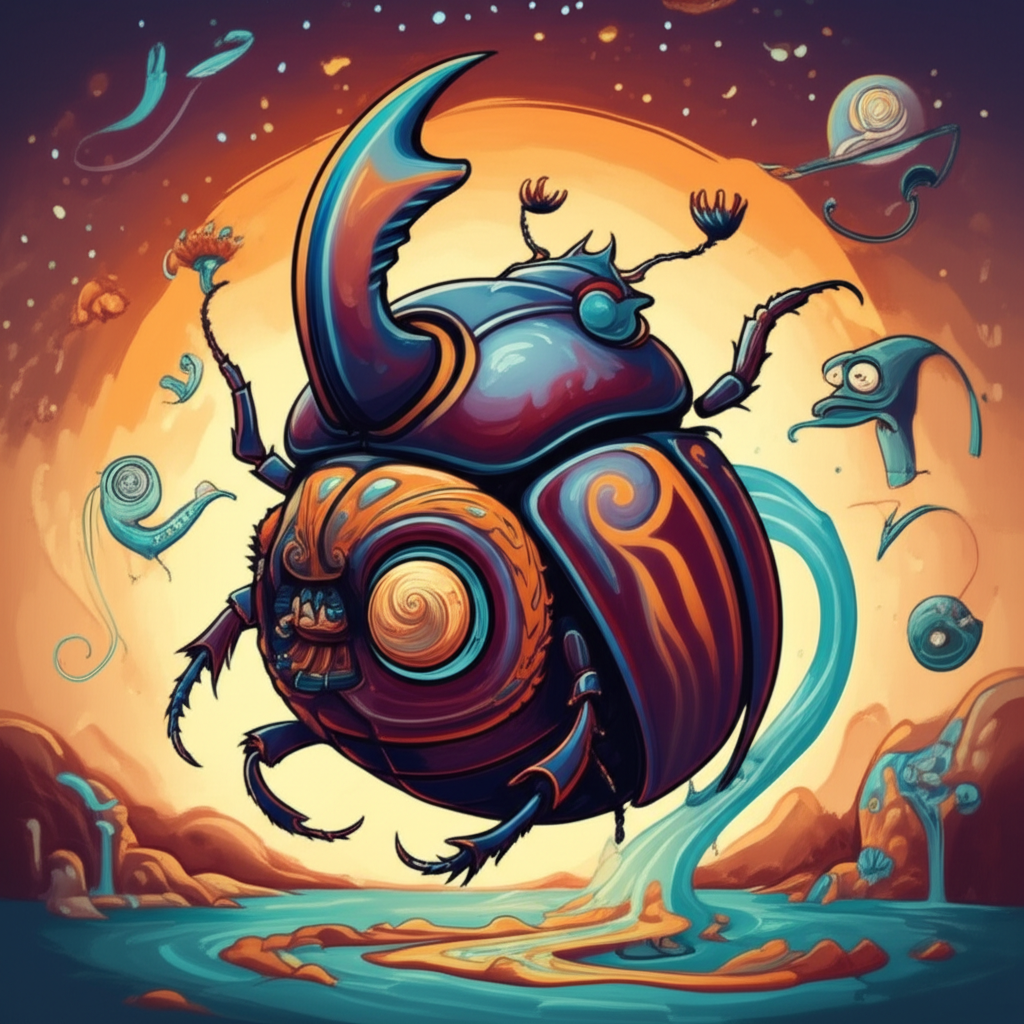
Myths and legends are echoes from the past, offering glimpses into the minds and hearts of those who came before us. Among the most captivating are the stories of ancient Egypt, a land of pharaohs, pyramids, and a rich tapestry of beliefs. One such tale, steeped in symbolism and wonder, is the story of the Scarab and the River of Souls. It is important to remember that this is a traditional story, a narrative created and shared by the ancient Egyptians, and not a reflection of reality or a call to any form of worship.
Origins and Cultural Background
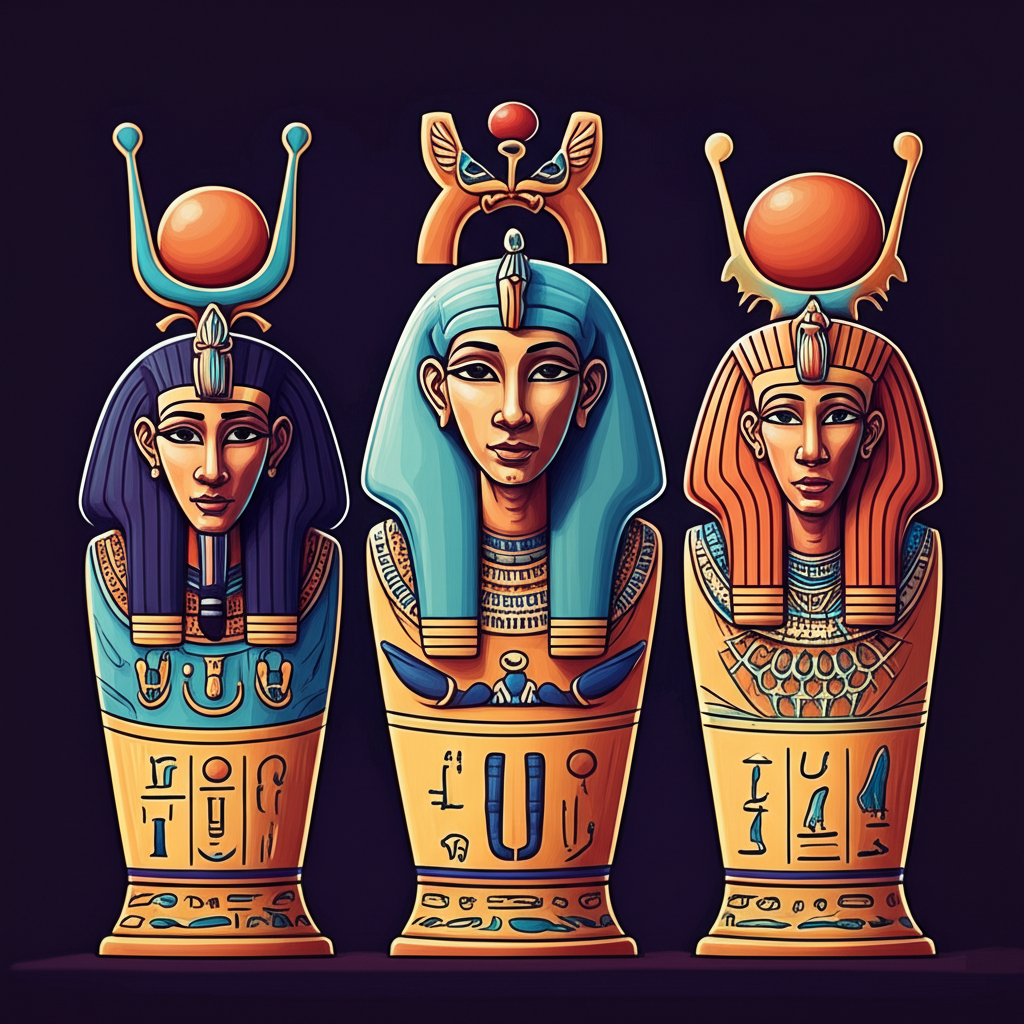
To understand the story of the Scarab and the River of Souls, we must journey back to ancient Egypt, a civilization that flourished for thousands of years along the fertile banks of the Nile River. Theirs was a world deeply intertwined with the natural cycles of the sun, the river, and the seasons. They believed in a complex pantheon of gods and goddesses who controlled every aspect of life and death. The pharaoh, considered a divine ruler, served as an intermediary between the mortal and divine realms.
The ancient Egyptians held a profound belief in the afterlife. They believed that death was not an end but a transition to another existence. Preparing for this afterlife was a central focus of their lives. Mummification, elaborate tombs filled with provisions, and the recitation of spells from the Book of the Dead were all essential for ensuring a successful journey through the underworld and into eternal life. The world was seen as a delicate balance, Ma’at, and every action had consequences that would be weighed in the afterlife.
Character Description: Khepri, the Scarab
At the heart of this story is Khepri, the scarab beetle god. Depicted as a scarab beetle or a man with a scarab beetle head, Khepri was associated with the rising sun, creation, renewal, and rebirth. The scarab beetle’s habit of rolling dung balls across the ground was seen as a symbolic representation of the sun god Ra pushing the sun across the sky each day.
The scarab’s life cycle, seemingly emerging spontaneously from the earth, was interpreted as a metaphor for resurrection. The ancient Egyptians believed that Khepri pushed the sun through the underworld each night, battling the forces of chaos and darkness, before bringing it forth again in the morning. Therefore, the scarab amulet was a potent symbol of hope, transformation, and the promise of eternal life. The scarab does not possess power, but it is the symbol of the potential for renewal and resurrection that ancient Egyptians sought.
Main Story: The Scarab and the River of Souls
When a soul departed from the earthly realm in ancient Egypt, its journey was far from over. It was believed that the soul, accompanied by protective deities and guided by the spells inscribed in the Book of the Dead, had to navigate a perilous landscape known as the Duat, the underworld.
One of the most formidable obstacles in the Duat was the River of Souls, a dark and treacherous waterway that separated the world of the living from the realm of the dead. This river was filled with monstrous creatures, swirling currents, and deceptive illusions, all designed to prevent the soul from reaching its final destination.
The soul, fragile and vulnerable, would call upon Khepri, the scarab beetle god, for aid. Khepri, with his knowledge of the hidden pathways and his power over transformation, would answer the call. He would appear as a radiant scarab, guiding the soul through the darkness and protecting it from the dangers of the river.
The journey was not easy. The soul had to face its fears, confront its past deeds, and overcome numerous trials. Khepri would act as a guide and protector, reminding the soul of its inherent worth and its potential for rebirth. He would empower the soul to transform its weaknesses into strengths and to find the courage to continue its journey.
Finally, after many trials, the soul would reach the shores of the afterlife. There, it would face the ultimate judgment before Osiris, the god of the dead. If the soul was deemed worthy, it would be granted eternal life in the beautiful paradise of Aaru, a land of fertile fields and eternal sunshine.
The scarab, having completed its task, would return to the Duat, ready to assist the next soul in its perilous journey. Thus, the cycle of death and rebirth would continue, ensuring the eternal balance of the cosmos.
Symbolism and Meaning
The story of the Scarab and the River of Souls is rich in symbolism. The scarab beetle represents the cyclical nature of life, death, and rebirth, a concept central to ancient Egyptian beliefs. The River of Souls symbolizes the challenges and obstacles that individuals face in their lives and the journey of self-discovery that leads to spiritual growth.
The myth also underscores the importance of morality and the consequences of one’s actions. The judgment before Osiris highlights the belief that individuals are accountable for their deeds and that their actions have a lasting impact on their fate in the afterlife.
Furthermore, the story emphasizes the role of divine assistance in navigating life’s difficulties. Khepri’s guidance and protection represent the belief that the gods are always present, offering support and encouragement to those who seek their help.
Modern Perspective
Today, the story of the Scarab and the River of Souls continues to fascinate and inspire. It appears in various forms of media, including literature, movies, and video games, often as a symbol of transformation, resilience, and the triumph of good over evil. The scarab beetle remains a popular motif in art and jewelry, serving as a reminder of the ancient Egyptian belief in eternal life and the power of renewal.
In cultural studies, the myth is analyzed as a window into the ancient Egyptian worldview, shedding light on their beliefs about death, the afterlife, and the relationship between humanity and the divine. It is studied as an example of the enduring power of mythology to shape cultural identity and to provide meaning and purpose to human existence.
Conclusion
The story of the Scarab and the River of Souls is a testament to the rich cultural heritage and imaginative storytelling traditions of ancient Egypt. It is a story that reminds us of the enduring human fascination with death, the afterlife, and the search for meaning in a world filled with uncertainty. This story, like all myths and legends, is not a statement of fact or a call to worship, but a cultural artifact that offers valuable insights into the beliefs and values of a bygone era.
As Muslims, we recognize that only Allah is the true Creator and Sustainer of the universe. We believe in His absolute power and sovereignty. The stories of ancient civilizations, while fascinating and informative, are not meant to be taken as divine truths. They are, however, valuable tools for understanding the diverse tapestry of human culture and the power of imagination to shape our understanding of the world. Through these stories, we can reflect on our own cultural heritage and appreciate the enduring legacy of storytelling traditions that have been passed down through generations.