
 fufufafa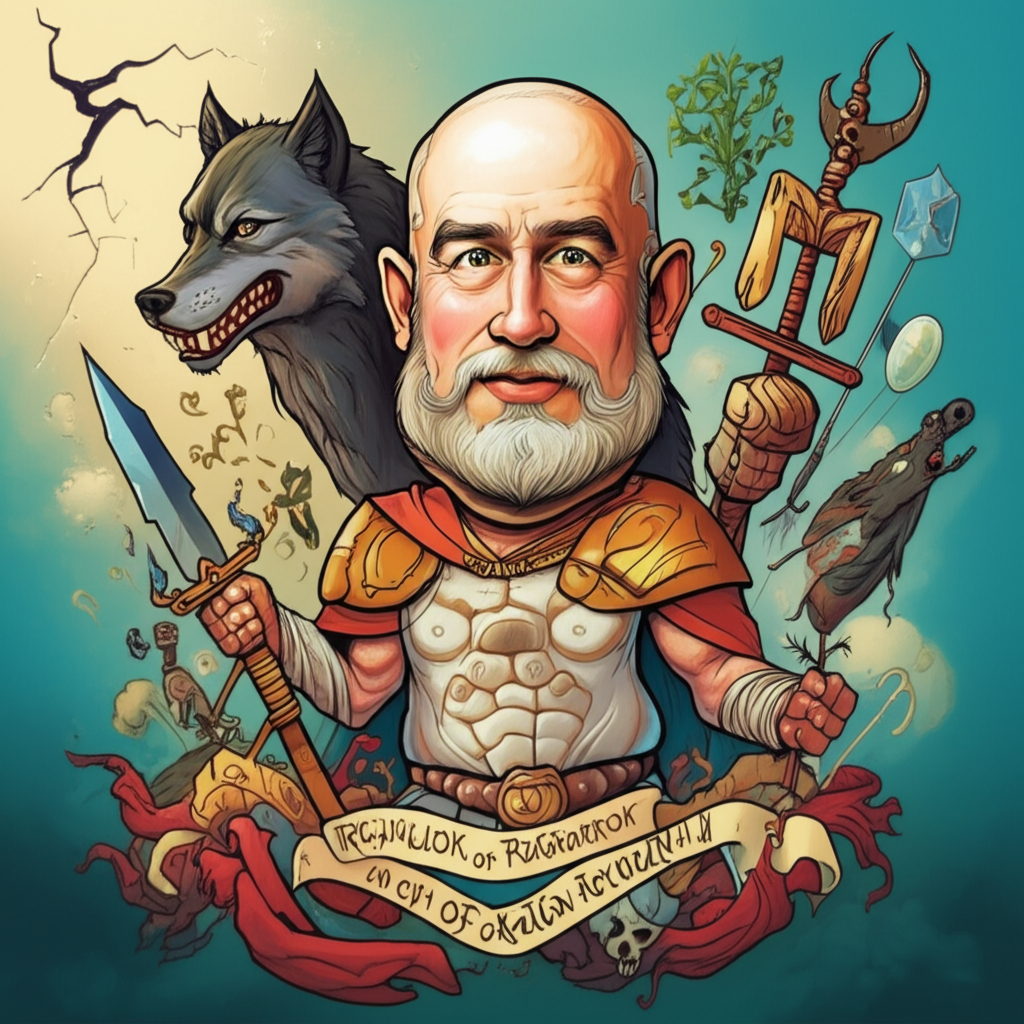
Introduction:
The tale of Baldr, the beautiful and beloved god of light, and the events leading to Ragnarök, the twilight of the gods, is a cornerstone of Norse mythology. These stories originate from the ancient Scandinavian and Germanic peoples, passed down through generations via oral tradition and eventually recorded in texts like the Poetic Edda and the Prose Edda during the medieval period in Iceland. It’s crucial to understand that this is a traditional story, a product of the ancient Norse imagination, and not a historical account or a religious doctrine. We explore it for its cultural and historical significance, understanding it as a narrative created by people seeking to understand their world.
Origins and Cultural Background:
The Norse myths emerged from a society deeply intertwined with the harsh realities of the Scandinavian landscape. The Viking Age (roughly 8th to 11th centuries) was a period of exploration, raiding, and trading, where survival depended on strength, cunning, and a deep understanding of the natural world. Their worldview was animistic, believing that spirits inhabited natural features like trees, rivers, and mountains. Fate, known as wyrd, played a central role, and life was seen as a constant struggle against the forces of chaos and destruction.
This harsh environment shaped their mythology. Gods like Thor, the thunder god, represented the power needed to overcome storms and protect communities. Odin, the all-father, embodied wisdom and strategic prowess. Stories were not just entertainment; they were a way to explain the world, teach moral lessons, and prepare for the inevitable challenges of life, and ultimately, death. The cyclical nature of seasons, the constant threat of natural disasters, and the importance of honor and kinship all found expression in their myths.
Character Description: Baldr
Baldr, often called Baldur, is described as the most beautiful and radiant of the Æsir gods. He was the son of Odin, the Allfather, and Frigg, the goddess of marriage and motherhood. He possessed an inherent goodness, radiating light and joy wherever he went. Symbolically, Baldr represents innocence, purity, beauty, and the return of light after a long winter. He embodies the ideals of peace and harmony. He is not necessarily portrayed as a powerful warrior, but rather as a figure whose mere presence brings serenity and hope. His death, therefore, symbolizes the loss of these qualities and the onset of darkness and chaos.
Main Story / Narrative Retelling:
In the halls of Asgard, home to the gods, a shadow fell. Baldr, the beloved son of Odin and Frigg, was plagued by nightmares. He dreamed of his own death, visions of darkness and despair that filled the gods with dread. Frigg, a fiercely protective mother, was desperate to prevent this prophecy from coming to pass.
She embarked on a journey throughout the nine realms, from the shimmering heights of Asgard to the shadowy depths of Niflheim. She sought oaths from every creature, every object, every element – fire, water, metal, stone, disease, and beast. She demanded that they vow never to harm her precious son, Baldr. One by one, they pledged their oaths, convinced by her love and the solemnity of her request.
With the oaths secured, the gods rejoiced. They gathered in Asgard, eager to test Baldr’s invulnerability. They hurled stones, shot arrows, and swung their mighty weapons at him. But nothing could pierce his skin. Baldr stood unharmed, laughing alongside the other gods.
However, Loki, the trickster god, watched with envious eyes. He couldn’t bear to see Baldr, the embodiment of goodness, so invulnerable. Disguised as an old woman, Loki approached Frigg in her hall, Fensalir. With cunning words, he inquired if she had truly extracted oaths from every being.
Frigg, trusting in her own efforts, confessed that there was one exception: a small, insignificant mistletoe that grew in the west. She had deemed it too young and harmless to warrant an oath.
Loki, his heart filled with malice, seized upon this opportunity. He sought out the mistletoe, fashioned it into a dart, and approached the gathering of the gods. He found Höðr, Baldr’s blind brother, standing apart from the merriment.
"Why don’t you join the game, Höðr?" Loki whispered, placing the mistletoe dart in Höðr’s hand. "Everyone is testing Baldr’s invulnerability. Here, use this dart. I’ll guide your hand."
Höðr, unaware of Loki’s treachery, took the dart and, with Loki guiding his aim, flung it towards Baldr. The mistletoe pierced Baldr’s heart. The radiant god fell to the ground, lifeless.
A wave of grief washed over Asgard. The gods were paralyzed by shock and despair. Odin wept silently, knowing that Baldr’s death was a sign of the impending Ragnarök. Frigg’s anguish was inconsolable.
Hel, the ruler of the underworld, agreed to release Baldr if all beings in the nine realms wept for him. The gods sent messengers throughout the cosmos, and all did weep – gods, humans, animals, and even the earth itself. But Loki, still disguised, refused to shed a tear, thus ensuring that Baldr would remain in Hel’s realm.
Baldr’s death triggered a chain of events that led to Ragnarök, the final battle between the gods and the giants. The world would be consumed by fire and ice, and many gods would perish. But from the ashes of destruction, a new world would emerge, ruled by Baldr and Höðr, who would be resurrected to usher in an era of peace and renewal.
Symbolism and Meaning:
The myth of Baldr’s death is rich with symbolism. It represents the vulnerability of even the most beautiful and innocent beings. The mistletoe, seemingly insignificant, symbolizes how small oversights or seemingly harmless actions can have devastating consequences. Loki represents chaos, envy, and the destructive forces that undermine order and harmony.
To the ancient Norse, the story likely served as a cautionary tale about the importance of vigilance and the ever-present threat of chaos. It also highlighted the cyclical nature of life and death, destruction and rebirth. The promise of a new world emerging after Ragnarök offered hope in the face of adversity and a belief in the eventual triumph of good over evil.
Modern Perspective:
The story of Baldr continues to resonate in modern culture. It appears in various forms of literature, movies, and video games. In Neil Gaiman’s "American Gods," Baldr is reimagined as a modern figure. In video games like "God of War," the myth serves as inspiration for characters and storylines. Scholars and cultural enthusiasts study the myth to understand the values and beliefs of the ancient Norse. The themes of innocence, betrayal, and the cyclical nature of existence remain relevant and continue to inspire artists and storytellers.
Conclusion:
The myth of Baldr and the Oath of Ragnarök is a powerful example of the storytelling tradition of the ancient Norse people. It’s a tale of beauty, betrayal, and the inevitable end, offering insights into their worldview and their understanding of the forces that shaped their lives. It’s important to remember that this is a cultural story, a product of human imagination, and not a statement of fact or a belief system.
As Muslims, we recognize that only Allah is the true Creator and Sustainer of the universe. We appreciate the rich tapestry of human cultures and the stories that have been passed down through generations, acknowledging that these narratives offer valuable insights into the human experience, our fears, our hopes, and our aspirations. The story of Baldr reminds us of the power of storytelling and the enduring legacy of human imagination.


