fufufafa
The mists curl, heavy and damp, around the ancient Slavic heartlands. Here, where dense forests whispered secrets and rivers carved their serpentine paths through the land, a rich tapestry of folklore and myth bloomed. Among these tales, the story of the Rusalka, a spirit tied to the waterways and the untamed corners of nature, is one that has echoed through generations. This is not a tale of verifiable fact, but rather a narrative passed down by ancient peoples, a reflection of their deep connection to and awe of the natural world, and the anxieties that such a world could inspire.
The era in which these stories took root was one where the boundary between the seen and the unseen was fluid. Life was inextricably linked to the cycles of nature – the bounty of the harvest, the ferocity of storms, the life-giving flow of rivers. The world was animated, teeming with spirits that governed everything from the growth of crops to the health of livestock. The ancient Slavs, living in a vast, often untamed landscape, saw the divine and the mystical woven into the very fabric of their existence. Forests were not merely collections of trees; they were sacred spaces, alive with unseen presences. Rivers were more than just watercourses; they were arteries of life, sometimes benevolent, sometimes perilous. It was within this worldview, one where respect and caution were paramount when interacting with the forces of nature, that the legend of the Rusalka emerged.
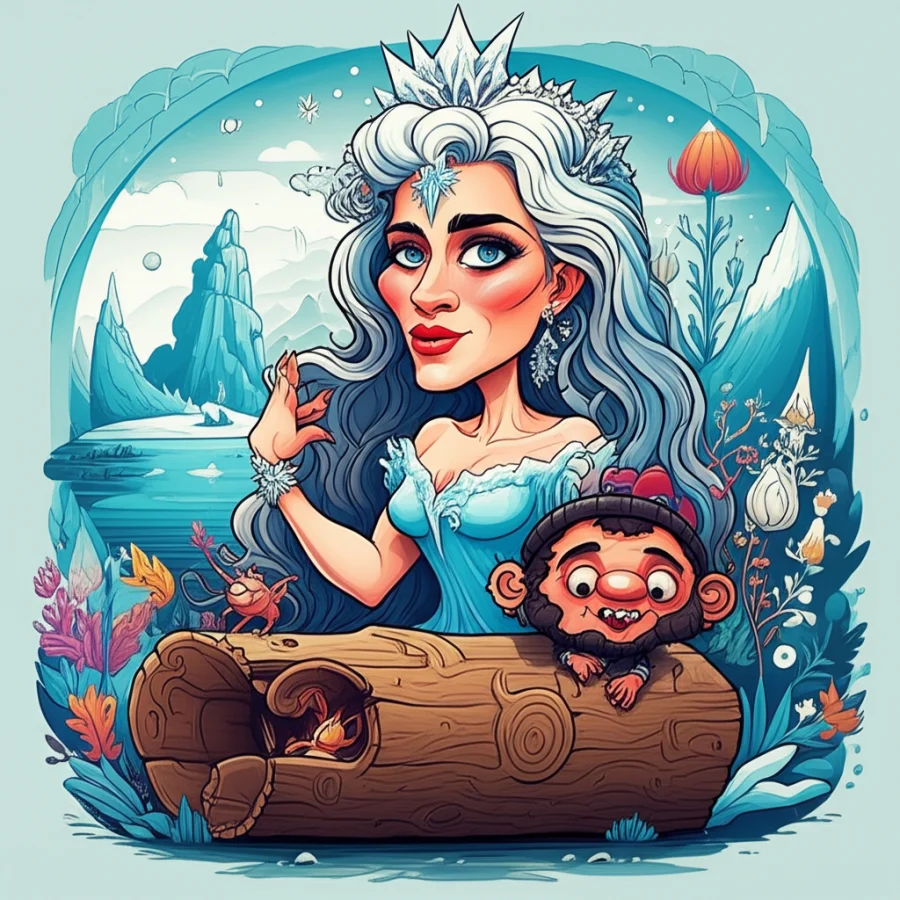
The Rusalka, as depicted in these ancient narratives, is a creature deeply entwined with the water and the wild. Often described as the spirits of young women who met a tragic end, typically by drowning – perhaps as a result of betrayal, unrequited love, or even suicide – they are said to inhabit rivers, lakes, and especially the damp, verdant groves that often fringed these water bodies. Their appearance is a subject of varied folklore, but common threads emerge. They are frequently depicted as possessing ethereal beauty, with long, flowing hair that can be the color of water weeds or the moonlit sky. Their eyes are often described as a piercing, unnatural blue or green, capable of captivating any who gaze into them for too long. They are rarely seen wearing conventional clothing, instead appearing draped in shimmering water weeds or garments woven from mist. Symbolically, their connection to water represents fluidity, emotion, and the ever-changing nature of life. Their association with drowning and their sorrowful origins speak to themes of loss, betrayal, and the lingering power of unresolved grief. The untamed groves they inhabit symbolize the wild, untamed aspects of nature, places where human control falters and ancient forces hold sway.
Imagine a young man, perhaps a hunter named Ivan, venturing deeper than usual into the woods bordering the whispering river. The sun, dappled and warm, had enticed him, and the promise of a good hunt had led him off familiar paths. As twilight began to paint the sky in hues of violet and rose, he found himself in a clearing he had never seen before. Ancient trees, their branches gnarled and draped with moss, formed a natural cathedral, and at its heart, a small, placid pool shimmered, reflecting the nascent stars. A strange, ethereal melody, like the sigh of the wind through reeds, drifted on the air. Drawn by an irresistible curiosity, Ivan crept closer.
There, at the edge of the pool, sat a figure. Her hair, the color of moonlit river foam, cascaded around her shoulders, and her form seemed to shimmer with an unearthly luminescence. She was singing, a song of profound melancholy that seemed to seep into the very bones of the earth. Ivan, mesmerized, felt his breath catch in his throat. He had never seen such beauty, nor heard such sorrow. The Rusalka, sensing his presence, turned her head. Her eyes, pools of the deepest emerald, met his, and in them, he saw an invitation, a plea, and a profound, ancient sadness.
The song changed, becoming more alluring, more insistent. It spoke of eternal peace, of release from earthly cares, of a love that transcended mortal understanding. Ivan felt a strange pull, a longing to step into the cool embrace of the water, to join the spectral singer in her mournful ballad. He took a step forward, then another. The air grew heavy, fragrant with the scent of damp earth and water lilies. But then, a flicker of memory, a whisper of caution from his village elders about the dangers that lurked in such places, pierced through the enchantment. He saw not just beauty, but a reflection of his own vulnerability, his own potential for folly. He faltered, his hand reaching out, then retracting. The Rusalka’s song faltered too, a note of surprise, perhaps even anger, creeping into its melody. Ivan, with a surge of primal fear and a renewed sense of self-preservation, turned and fled, the haunting melody of the Rusalka echoing in his ears, a chilling reminder of the thin veil between the world of men and the unseen spirits of the wild. He never ventured so deep into those groves again.
To the ancient peoples, such stories were not mere entertainment. They served as potent symbols for various aspects of their lives. The Rusalka, with her sorrow and her allure, could represent the dangerous beauty of the untamed natural world, a reminder that nature, while life-giving, also held peril. Her tragic fate could symbolize the fragility of human life and the consequences of emotional turmoil. The stories also served as moral fables, cautioning against succumbing to temptation, against allowing oneself to be led astray by superficial beauty or promises of false solace. The watery realm she inhabited was often seen as a place of liminality, a threshold between the living and the dead, and the Rusalka acted as a guardian, or perhaps a lure, to this other realm.
In the modern world, the Rusalka continues to capture the imagination. She appears in literature as a tragic heroine or a dangerous femme fatale, her story reinterpreted through contemporary lenses. In fantasy literature and role-playing games, she often manifests as a water elemental or a vengeful spirit, her powers and motivations adapted to fit new narrative frameworks. Her image is frequently invoked in art and visual media, a testament to her enduring mystique. These modern interpretations, however, often delve into the psychological and emotional aspects of her myth, exploring themes of isolation, trauma, and the complexities of human relationships.
It is important to reiterate that the Rusalka is a figure of folklore, a product of ancient storytelling traditions and a reflection of the worldview of past cultures. As Muslims, we understand that the only true Creator and Sustainer of all existence is Allah (SWT). Our faith teaches us to seek guidance and solace from Him alone. These myths, therefore, are not to be believed in as divine entities or worshipped. Instead, they offer a fascinating window into the rich cultural heritage of the Slavic peoples, showcasing their deep connection to the natural world and their enduring tradition of imaginative storytelling. The whispers of the Rusalka from the pagan groves are a reminder of the power of human imagination to create narratives that explain, caution, and captivate, preserving for us the echoes of ancient fears and wonders.