fufufafa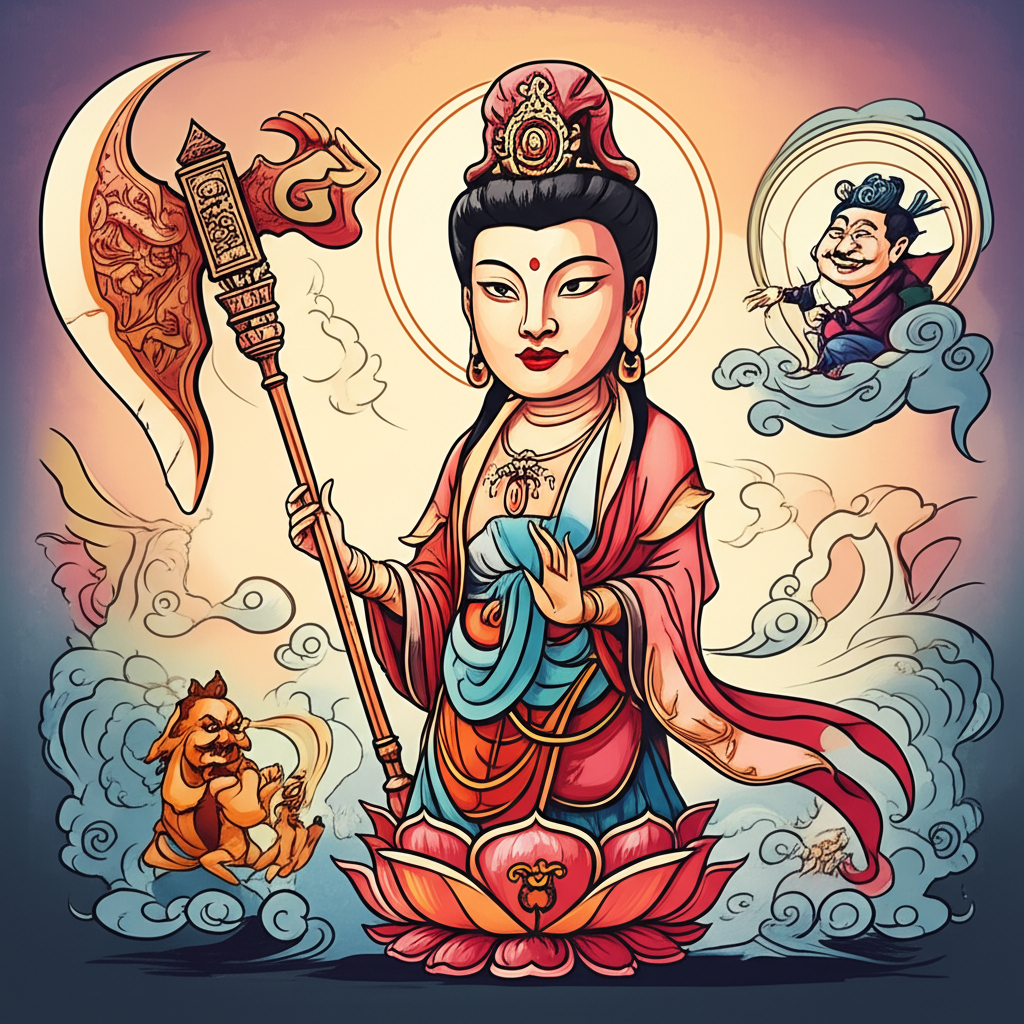
Introduction
This is a story from the rich tapestry of East Asian folklore, a tale woven across centuries and cultures, primarily stemming from China and finding its roots in Buddhist traditions and ancient folk beliefs. It’s a story of transformation, compassion, and the enduring power of myth. This is a traditional story, told and retold by ancient people, a story meant to entertain, to teach, and to reflect on the human condition, not as a source of literal truth, but as a window into the past. We approach this narrative with respect for the cultural heritage it represents, recognizing its place within the vast spectrum of human storytelling.
Origins and Cultural Background
The story of Guanyin, and the narratives surrounding her, flourished during periods of significant social and religious change in China, particularly during the Tang and Song Dynasties (roughly 7th to 13th centuries CE). This was a time of burgeoning Buddhism, spreading from India and taking root in Chinese soil, blending with existing Taoist and Confucian philosophies. The environment was often harsh; life was often short, marked by famines, wars, and disease. The world was viewed through a lens of both pragmatism and profound spiritual seeking. People looked to the heavens for answers, for solace, and for guidance. The concept of karma, of cause and effect, permeated their understanding of the world. They believed in a pantheon of gods and spirits, celestial beings who could intervene in human affairs, both benevolent and malevolent.
Buddhism, with its emphasis on compassion and the alleviation of suffering, resonated deeply with the populace. Guanyin, as a bodhisattva (a being dedicated to helping others achieve enlightenment), became a central figure, embodying the ideal of mercy and loving-kindness. Stories of her miraculous interventions, her ability to overcome obstacles, and her unwavering devotion to helping those in need spread far and wide, solidifying her place in the hearts and minds of the people. This was a world where oral storytelling was paramount, where myths and legends were passed down through generations, shaping values, offering comfort, and fostering a sense of community.
Character / Creature Description
Guanyin, often depicted as a beautiful woman, is a being of immense compassion. She is not a god in the traditional sense, but a bodhisattva – someone who has achieved enlightenment but chooses to remain in the cycle of rebirth to help others reach Nirvana. Her appearance is fluid, adapting to the needs of those she seeks to aid. She can appear in many forms: a woman with flowing robes, a child, or even a fierce warrior. This flexibility reflects her ability to connect with people from all walks of life.
Symbolically, Guanyin is often associated with the color white, representing purity and serenity. She is frequently depicted holding a willow branch, which she uses to sprinkle the nectar of compassion and healing, or a vase containing the elixir of life. She is also linked to the lotus flower, a symbol of purity and enlightenment, rising above the muddy waters of the world. The imagery consistently reinforces the themes of mercy, protection, and the potential for spiritual transformation. The many arms and eyes sometimes shown on representations of Guanyin also represent the ability to perceive and help many beings simultaneously. The Heavenly Axe is a story associated with Guanyin but may not be universally known. It is associated with the idea of Guanyin’s power, ability to overcome obstacles, and protect her followers.
Main Story / Narrative Retelling
The tale unfolds in a time of great peril. A devastating flood had ravaged the land, leaving villages submerged and the people starving. The Jade Emperor, ruler of the heavens, had grown wrathful, convinced that humanity had lost its way and no longer deserved his protection. He unleashed the deluge, intending to punish the wicked and cleanse the earth.
As the waters rose, desperation gripped the survivors. They prayed, they wept, and they called upon the compassionate Bodhisattva, Guanyin. Hearing their pleas, Guanyin descended from her celestial abode, the glistening island of Putuo Shan. Observing the suffering, she resolved to act.
She surveyed the flooded landscape and identified the source of the disaster: a celestial mountain, corrupted by the Jade Emperor’s decree, was blocking the flow of the rivers. The mountain was impervious to ordinary weapons and forces. Guanyin realized she would need a special weapon, an instrument of immense power.
She turned to the Heavenly Forge, a place where divine tools are crafted. She requested the Heavenly Axe, a weapon forged from starlight and imbued with the power to cleave mountains and redirect rivers. The guardians of the forge, hesitant to grant such a potent weapon, initially refused. They knew the Axe’s potential for destruction was as great as its power for good. But Guanyin, with her unwavering resolve and her aura of compassion, persuaded them. She assured them that she would use the Axe solely to alleviate suffering.
With the Heavenly Axe in her hand, Guanyin returned to the flooded land. She approached the corrupted mountain, her face radiating serenity. With a single, mighty swing, she brought the Axe down. The mountain shattered, splitting in two. The waters receded, and the rivers resumed their natural course. Villages were saved. The survivors, witnessing the miracle, were filled with gratitude. Guanyin, having achieved her purpose, vanished, leaving behind a revitalized land and a strengthened faith in compassion. She had harnessed the power of the Heavenly Axe, not for conquest, but for salvation.
Symbolism and Meaning
The story of the Heavenly Axe and Guanyin is rich with symbolic meaning. The flood represents the suffering and adversity that humanity faces. The Jade Emperor embodies the concept of divine judgment, but also the potential for error and the need for compassion even at the highest levels of authority. The Heavenly Axe itself symbolizes the power to overcome seemingly insurmountable obstacles, to cut through negativity and despair.
Guanyin, of course, is the central figure, embodying the ideals of compassion, mercy, and selfless service. The story illustrates her unwavering dedication to alleviating suffering, her willingness to intervene on behalf of those in need, and her ability to bring about positive change. The use of the axe, a potentially destructive weapon, is also symbolic. It shows that even great power must be used for a higher purpose, for the good of all.
The story also reflects the importance of faith and the enduring human hope for deliverance. It reinforces the belief that even in the darkest of times, compassion and perseverance can triumph. It’s a call to action, reminding listeners of the inherent goodness within them and that the best use of their power is to help others.
Modern Perspective
Today, the myth of Guanyin and the Heavenly Axe continues to resonate. It appears in various forms in modern literature, movies, and video games. Guanyin is often depicted as a symbol of feminine strength, compassion, and resilience, a figure who transcends cultural boundaries. The story’s themes of overcoming adversity and helping others are universal, making it adaptable to contemporary settings.
Cultural studies often analyze the story as a reflection of societal values, religious beliefs, and the human need for hope and solace. The tale remains a testament to the enduring power of narrative and the capacity of storytelling to shape cultural identity.
Conclusion
This story, the legend of Guanyin and the Heavenly Axe, is a treasure of human imagination and cultural heritage. It is a story to be explored, not to be followed literally, but to be understood as a part of a rich and ancient tradition. We, as Muslims, recognize that the true Creator and Sustainer is Allah, the One. We find inspiration in the beauty of stories from all cultures, understanding them as reflections of human creativity and the search for meaning. The story of Guanyin is a reminder of the power of compassion, the value of perseverance, and the importance of storytelling as a means of connecting with our shared human experience. It is a story that, despite its mythical nature, continues to inspire and to offer a glimpse into the depths of the human heart and spirit. It encourages us to appreciate the richness of our cultural heritage and to embrace the enduring legacy of the imagination.