fufufafa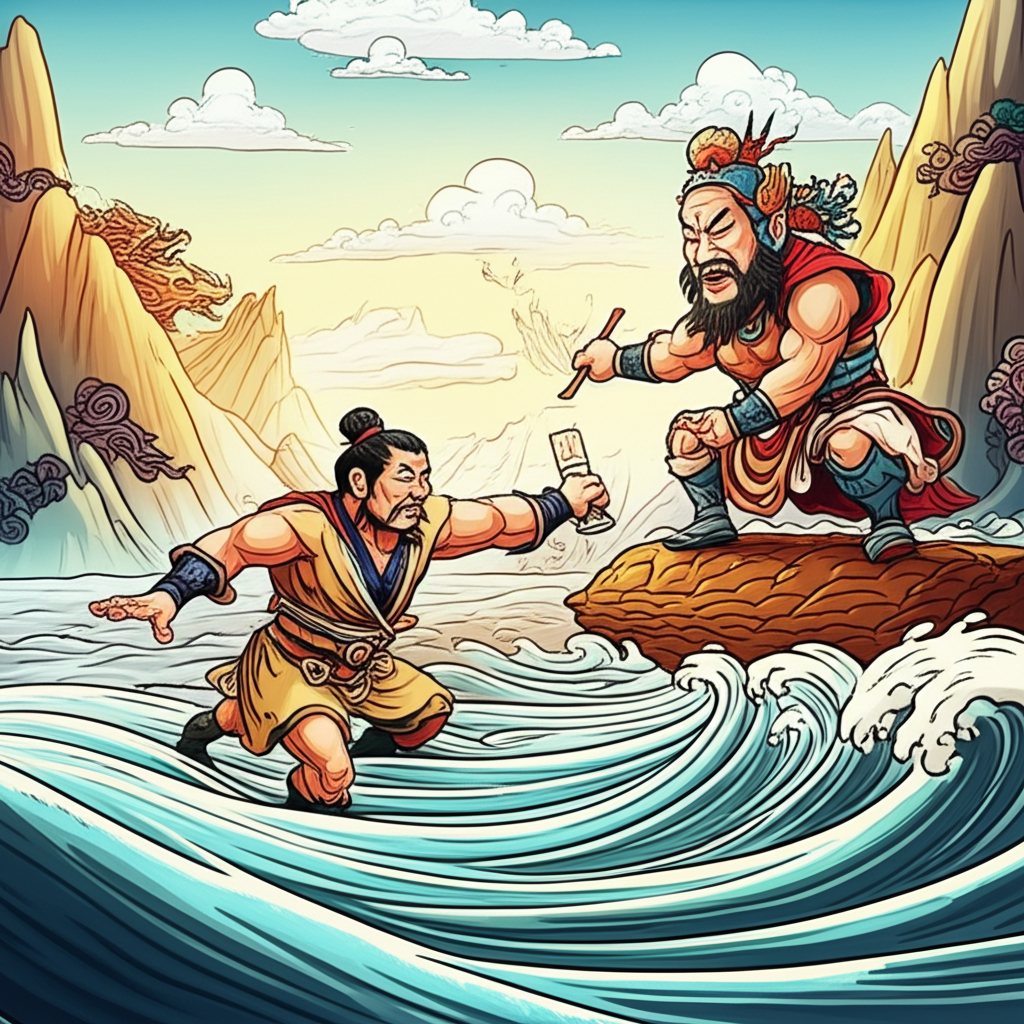
Introduction:
This is the story of the Great Flood, and the figures of Gun and Yu, as told in ancient Chinese mythology. This myth, a cornerstone of Chinese creation narratives, offers a glimpse into the worldview of early Chinese civilization, their understanding of the natural world, and their values regarding leadership, perseverance, and the relationship between humanity and the forces of nature. It is important to understand that this narrative is a product of a specific cultural context and represents a traditional story, not a historical or divinely revealed truth.
Origins and Cultural Background:
The myth of the Great Flood and the heroic efforts to control it likely emerged during the Xia Dynasty (c. 2070-1600 BCE) or earlier, a period marked by the development of agriculture, the establishment of settled communities, and the beginnings of centralized rule in the Yellow River valley. This era was characterized by a profound connection to the land, a reliance on the rhythms of nature, and a deep awareness of the devastating potential of floods. The Yellow River, the cradle of Chinese civilization, was also known as "China’s Sorrow" due to its frequent and catastrophic overflows.
People of this time viewed the world as a complex interplay of natural forces, often attributed to the actions of deities or spirits. They believed in a hierarchical order, both in the heavens and on earth, with the Emperor holding a mandate to rule justly and maintain harmony between the human realm and the divine. Floods were seen as manifestations of divine displeasure, a consequence of human failings, or a test of their resilience. The ability to control water was therefore paramount, not just for survival, but also as a symbol of effective leadership and the restoration of cosmic balance.
Character Description:
-
Gun: Gun was a powerful figure tasked by the Emperor Yao to control the Great Flood. He represents ambition, ingenuity, and a determination to solve problems through direct intervention. He is often depicted as a resourceful individual, willing to use unorthodox methods, even if they defy divine will. In the narrative, Gun’s failure is symbolic of the limitations of brute force and a lack of understanding of the natural order. He stole a magical soil called Xirang (息壤), meaning "self-growing soil," from the gods, hoping to dam the floodwaters. This act of theft and his ultimate failure highlight the importance of respecting divine authority and the natural world.
-
Yu the Great: Yu, the son of Gun, is the true hero of the flood control myth. He embodies patience, diligence, and a deep understanding of natural principles. Unlike his father, Yu did not attempt to block the floodwaters, but rather to channel and divert them, working with the flow of the river rather than against it. He is a symbol of wisdom, perseverance, and the importance of sustainable solutions. Yu is often depicted as a tireless worker, dedicating himself to the task of flood control for thirteen years, during which time he reportedly never returned home, even when passing his own house. This sacrifice is emblematic of his commitment to the welfare of his people.
-
Kunlun Mountains: While not a character in the traditional sense, the Kunlun Mountains themselves play a crucial role in the myth. They represent a sacred space, a source of divine power, and a boundary between the mortal world and the realm of the gods. In some versions of the story, the Kunlun Mountains are the home of various deities and mythical creatures, further emphasizing their significance as a place of power and mystery. They are also the source of many rivers, including the Yellow River, linking them directly to the flood narrative.
Main Story / Narrative Retelling:
In the mists of ancient time, a great flood engulfed the land. The rivers overflowed their banks, the fields were submerged, and homes were swept away. The people cried out in despair, and the Emperor Yao, burdened by their suffering, sought a solution. He appointed Gun, a man of great strength and ingenuity, to control the raging waters.
Gun, determined to quell the flood, devised a bold plan. He stole the magical soil, Xirang, from the heavens, a substance that could expand endlessly to block the rising waters. With Xirang, he built dams and barriers, attempting to stem the relentless tide. But the floodwaters, enraged by his defiance, only grew stronger. The dams crumbled, the barriers collapsed, and the land remained submerged. After nine long years, Gun’s efforts proved futile. His methods, though well-intentioned, were ultimately ineffective against the power of nature. Disappointed and defeated, Gun was banished by the Emperor and, in some versions of the story, even executed.
After Gun’s failure, Emperor Shun appointed Yu, Gun’s son, to continue the daunting task. Yu, however, understood that brute force alone would not conquer the flood. He observed the natural flow of the rivers, studied the contours of the land, and realized that the key was not to block the water, but to guide it.
For thirteen years, Yu toiled tirelessly. He dredged rivers, dug canals, and carved pathways through the mountains, creating channels for the floodwaters to flow safely to the sea. He worked day and night, enduring hardship and sacrifice, never returning home even when passing his own door. With each passing year, the waters receded, the land began to dry, and life slowly returned to normal.
As Yu carved pathways through the land, the mountains and valleys took new shape. It is said that his efforts reshaped the very landscape, creating the majestic Kunlun Mountains as we know them. The rivers, once a source of destruction, now flowed peacefully, nourishing the land and providing sustenance for the people.
Yu’s success was not just a testament to his engineering skills, but also to his understanding of the natural world and his ability to work in harmony with it. He was hailed as a hero, a savior of his people, and a wise ruler who restored balance to the land. He eventually succeeded Emperor Shun and became known as Yu the Great, founder of the Xia Dynasty.
Symbolism and Meaning:
The myth of Gun and Yu is rich in symbolism. Gun represents the limitations of relying solely on force and ingenuity without understanding the natural world. His failure underscores the importance of respecting divine authority and the delicate balance of nature. Yu, on the other hand, symbolizes wisdom, perseverance, and the power of working in harmony with the environment. His success demonstrates the value of long-term solutions, sustainable practices, and the importance of leadership that prioritizes the well-being of the people.
The flood itself represents chaos and destruction, but also the potential for renewal. The reshaping of the landscape, including the formation of the Kunlun Mountains, symbolizes the transformative power of human action and the potential for even the most devastating events to lead to positive change. The Kunlun Mountains, as a sacred space and the source of rivers, represent the interconnectedness of the natural world and the importance of respecting its power.
Modern Perspective:
The myth of Gun and Yu continues to resonate in modern Chinese culture. It is often referenced in literature, movies, and video games as a symbol of resilience, perseverance, and the importance of environmental stewardship. The story of Yu the Great is particularly admired as an example of selfless leadership and dedication to public service. The myth also serves as a reminder of the ongoing challenges of flood control and the need for sustainable water management practices. The Kunlun Mountains themselves continue to be a source of cultural and spiritual significance, inspiring artists, writers, and adventurers alike.
Conclusion:
The story of the Great Flood and the efforts of Gun and Yu is a powerful testament to the enduring power of myth and its ability to reflect the values, beliefs, and anxieties of a culture. It is a reminder of the importance of understanding the natural world, respecting its power, and working in harmony with it to ensure the well-being of future generations. It is also a celebration of human ingenuity, perseverance, and the potential for even the most devastating events to lead to positive change.
As Muslims, we recognize that only Allah is the true Creator and Sustainer of the universe. The stories of ancient cultures, like the myth of Gun and Yu, are valuable for understanding the human experience, the development of civilizations, and the enduring power of imagination and storytelling. These tales enrich our understanding of diverse cultural heritages without compromising our faith. They are testaments to the human capacity for creativity and the enduring need to make sense of the world around us.