
 fufufafa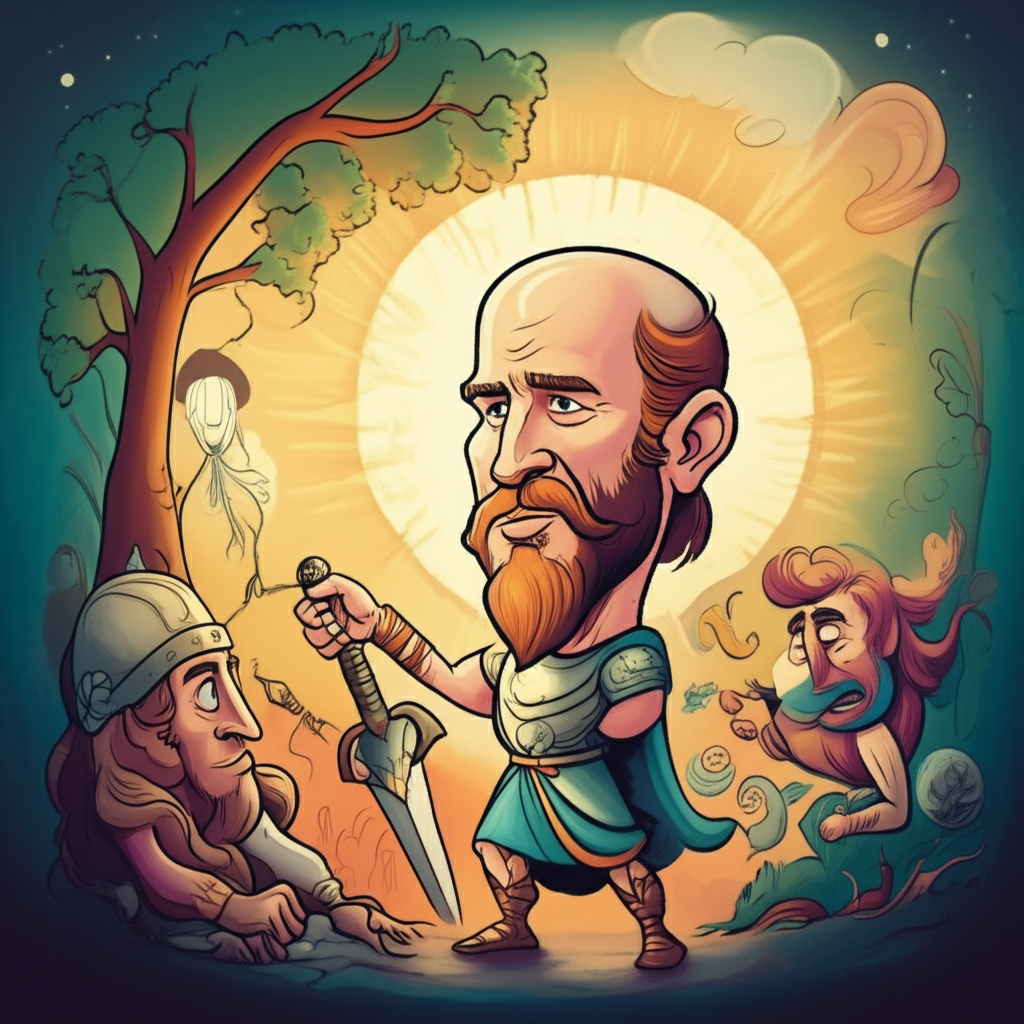
In the hushed, windswept landscapes of ancient Scandinavia, where towering fjords met the churning North Sea and dense, evergreen forests whispered secrets to the passing gales, a rich tapestry of myths and legends was woven. These were the traditional stories, the oral histories passed down through generations by the Norse peoples, a way for them to understand the world, its cycles, its wonders, and its terrors. Among these narratives, the saga of Baldr, the beloved god of light and purity, and the ancient conflict known as the Aesir-Vanir War, holds a unique and poignant place. This is not a chronicle of divine events to be believed, but rather a fascinating glimpse into the imagination and worldview of those who lived in a time when the natural world was often imbued with spiritual significance.
The era in which these tales took root was one of hardy people, deeply connected to the land and sea. Their lives were dictated by the seasons, the unpredictable bounty of nature, and the ever-present possibility of harsh winters and fierce storms. In such an environment, it was natural for them to envision powerful beings, gods and giants, who influenced these forces. Their understanding of the world was often dualistic, a constant interplay between order and chaos, creation and destruction, light and darkness. The myths served as a framework for navigating this complex existence, offering explanations for the inexplicable and providing moral compasses in a challenging world. The Aesir-Vanir War, in particular, speaks to a time of potential societal upheaval and the integration of different forces or peoples.
Central to this narrative is the figure of Baldr, often depicted as the son of Odin, the All-Father, and Frigg, the queen of the Aesir. Baldr himself was envisioned as a radiant being, embodying light, beauty, and goodness. His very presence was said to bring joy and peace. His hair was as fair as the summer sun, his eyes the clear blue of a cloudless sky, and his voice as gentle as the rustling leaves. He was the embodiment of all that was pure and unblemished, a stark contrast to the often grim and violent realities of the Norse world. His symbolic attributes were those of innocence, perfection, and the fleeting nature of all things beautiful. He represented a kind of ideal, a divine spark that illuminated the darker corners of existence.
The story of Baldr is inextricably linked to the larger, more ancient conflict between two divine tribes: the Aesir and the Vanir. The precise origins of this war are shrouded in myth, but it is generally understood as a struggle for dominance or perhaps a clash born from differing ideals and ways of life. The Aesir, associated with war, magic, and leadership, were the dominant pantheon in later Norse tradition, residing in Asgard. The Vanir, on the other hand, were more closely connected to fertility, prosperity, agriculture, and the natural world, with their home in Vanaheim. Imagine, if you will, a time when these two powerful groups, each with their own strengths and perspectives, found themselves at odds. It was a war fought not with simple brute force, but with cunning, magic, and divine intervention. Swords clashed, spells were cast, and the very fabric of the cosmos may have trembled. Ultimately, a peace was brokered, a truce that led to an exchange of hostages and a blending of the two pantheons, suggesting a process of integration and reconciliation. This war, therefore, might symbolize the inevitable tensions that arise when different cultures or ideologies meet, and the eventual, often complex, process of their co-existence.
Within this context, Baldr’s story unfolds as a tragic consequence. His unparalleled goodness and the universal love he inspired became the very seeds of his downfall. He began to have dreams, premonitions of his own death, and these troubled his divine heart. Frigg, his mother, a goddess known for her wisdom and foresight, was consumed with worry. She embarked on a desperate quest, traversing all the realms of existence, extracting oaths from every living thing and every inanimate object to never harm her beloved son. Fire, water, iron, stone, trees, animals – all swore this sacred vow. Baldr, it seemed, was rendered invincible, protected by the very essence of the world.
Yet, there was one thing Frigg overlooked: the mistletoe. This small, unassuming plant, growing in seemingly no fixed place, was considered too young and insignificant to be a threat. Loki, the cunning trickster god, a figure of chaos and envy, discovered this loophole. He fashioned a dart from a mistletoe branch and, with a wicked smile, approached Baldr during a festival. The other gods, confident in Baldr’s invincibility, amused themselves by throwing weapons at him, which always harmlessly bounced off. Loki, with calculated precision, handed the mistletoe dart to Hodr, Baldr’s blind brother, and guided his hand. The unsuspecting Hodr, thinking he was participating in a harmless game, threw the dart. It struck Baldr, and for the first time, the god of light faltered. A wound, unseen and fatal, opened in his pure flesh. Baldr fell, his radiant light dimming, and a profound sorrow fell upon Asgard. His death was a shockwave, a disruption of the natural order, and a profound loss that echoed through the halls of the gods.
The symbolism embedded within these narratives is rich and multifaceted. Baldr’s story can be seen as representing the inherent vulnerability of goodness in a world often touched by malice and deceit. His death might symbolize the fragility of peace and purity, and how even the most protected ideals can be undone by cunning and unforeseen circumstances. The mistletoe, a parasitic plant, can represent insidious forces that exploit weaknesses. The Aesir-Vanir War, as mentioned, could reflect the historical integration of different peoples or societal structures, the challenges of establishing harmony, and the eventual, albeit sometimes costly, formation of a unified entity. These tales offered the ancient Norse people ways to grapple with themes of life and death, the struggle between order and chaos, the nature of betrayal, and the enduring power of sorrow.
In modern times, these ancient Norse myths, including the story of Baldr and the echoes of the Aesir-Vanir War, continue to capture the human imagination. They are explored in literature, from epic fantasy novels that draw inspiration from their rich pantheons and complex characters, to academic studies that delve into their historical and cultural significance. The dramatic narratives and archetypal figures have found their way into video games, providing immersive worlds and compelling storylines. Popular media often reinterprets these myths, adapting them for new audiences and exploring their timeless themes of heroism, sacrifice, and the eternal battle between good and evil.
In conclusion, the saga of Baldr and the Aesir-Vanir War are powerful examples of the enduring tradition of storytelling that emerged from the cultural soil of ancient Scandinavia. These are not literal accounts of divine beings or events to be believed in. Rather, they are profound expressions of the human need to understand the world, to explore the complexities of existence, and to imbue life with meaning. As Muslims, we recognize that only Allah, the Most High, is the true Creator and Sustainer of all that exists, and that all power and authority belong to Him alone. However, we can still appreciate these ancient narratives for what they are: a testament to human creativity, a window into the cultural heritage of past civilizations, and a reminder of the enduring power of imagination and the timeless art of storytelling. These tales, passed down through the ages, offer us a chance to connect with the intellectual and emotional landscape of those who came before us, enriching our understanding of the diverse tapestry of human expression.


