
 fufufafa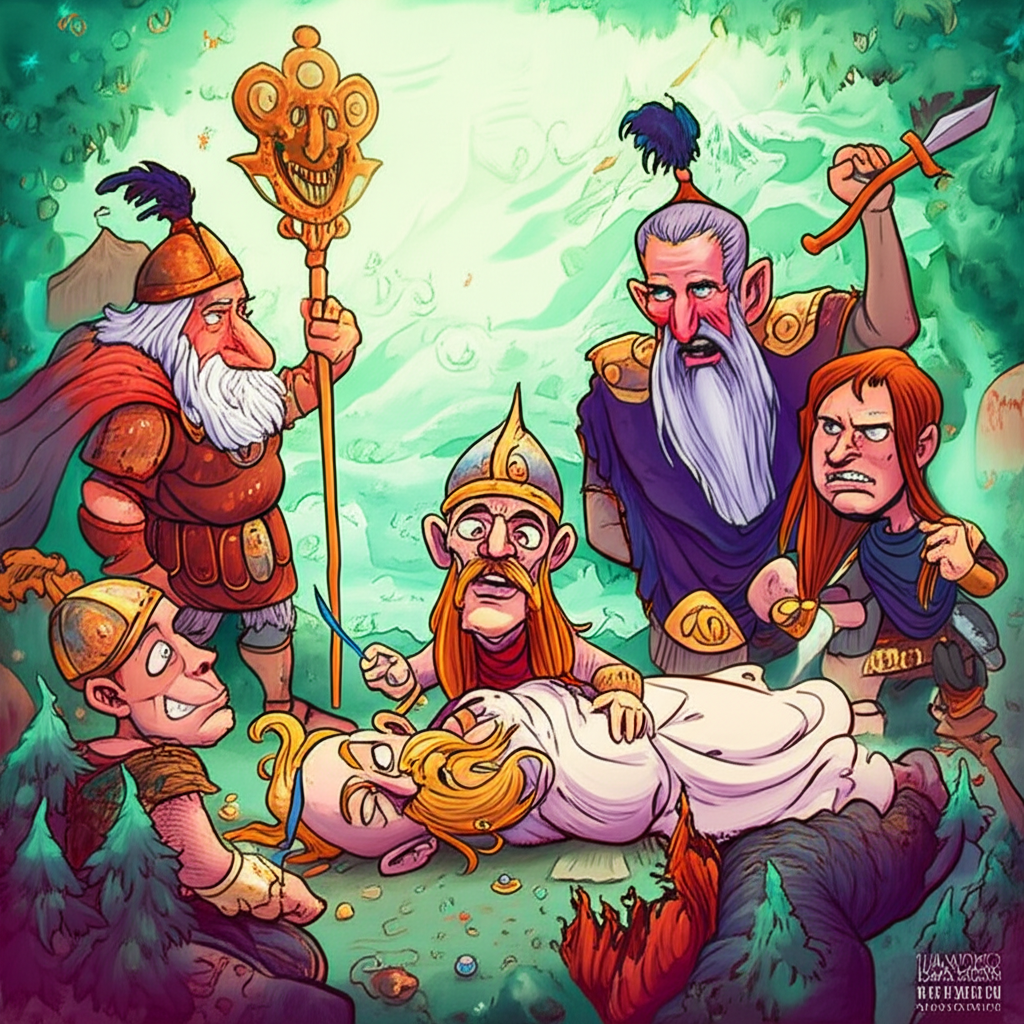
Introduction:
From the icy lands of Scandinavia comes a collection of captivating stories known as Norse mythology. These myths, passed down through generations, offer a glimpse into the worldview of the Vikings and their ancestors. The tale of Baldr’s death and the creation of Niflheim is one such story, a chilling narrative filled with treachery, sorrow, and the harsh realities of a world governed by fate. It’s crucial to understand that this is a traditional story, a product of human imagination, not a historical or divine truth. We examine it now for its cultural and historical significance, appreciating it as a piece of artistic expression from a bygone era.
Origins and Cultural Background:
The Norse myths flourished during the Viking Age (roughly 8th to 11th centuries AD) and even earlier. This was a time when Scandinavian society was deeply rooted in agriculture, seafaring, and warfare. The Norse people lived in a challenging environment, constantly battling the elements and facing the uncertainties of life and death. Their worldview was shaped by these experiences, leading them to believe in a pantheon of gods and goddesses who were powerful but flawed, reflecting the human condition.
They viewed the world as a complex and interconnected system, with different realms existing side-by-side. Asgard was the home of the gods, Midgard the realm of humans, and other realms, such as Jotunheim (home of the giants) and Niflheim (the realm of ice and mist), represented various aspects of the natural world and the human psyche. Fate, known as "wyrd," was a powerful force that governed the lives of gods and humans alike. This sense of predetermination permeated their stories, adding a layer of tragedy and inevitability to even the most heroic tales.
Character Description: Baldr and Loki
Baldr, the son of Odin and Frigg, was the god of light, beauty, and joy. He was described as being fair of face and gentle of spirit, radiating warmth and happiness wherever he went. Symbolically, Baldr represented the hope and optimism that could exist even in a harsh world. His light served as a beacon against the darkness.
Loki, on the other hand, was the trickster god, a master of disguise and deception. While sometimes helpful to the gods, he was often driven by malice and a desire to sow chaos. Loki embodies the unpredictable and destructive forces that exist within the world and within ourselves. He is a reminder that even in the most harmonious of settings, discord can always find a way to surface.
Main Story / Narrative Retelling:
Baldr, beloved by all, began to suffer from terrible nightmares, foretelling his own death. The gods were deeply troubled, knowing that Baldr’s demise would bring darkness and sorrow to Asgard. His mother, Frigg, determined to protect her son, went throughout the nine realms, extracting promises from everything – fire, water, stone, metal, diseases, plants, and animals – that they would not harm Baldr.
With Frigg’s assurances, the gods rejoiced, believing Baldr to be invulnerable. They amused themselves by throwing objects at him, watching them bounce harmlessly off his skin. Loki, ever the envious and mischievous one, watched this scene with growing resentment. Disguised as an old woman, he approached Frigg and cunningly inquired if there was anything that had not sworn an oath. Frigg, confident in her success, confessed that she had overlooked a small, insignificant mistletoe, deeming it too young and harmless to require an oath.
Loki, his eyes gleaming with malice, immediately sought out the mistletoe. He fashioned it into a dart and approached Hodr, Baldr’s blind brother. He whispered in Hodr’s ear, "Why don’t you join in the fun? Here, let me guide your hand." Hodr, eager to participate, took the mistletoe dart and, guided by Loki, threw it at Baldr.
The mistletoe pierced Baldr’s heart, and the god of light fell lifeless to the ground. Grief washed over Asgard, plunging the realm into darkness. Odin, heartbroken, knew that the prophecy of Ragnarok, the twilight of the gods, was one step closer.
The gods desperately sought a way to retrieve Baldr from the realm of the dead, Hel. Hermod, Odin’s swift messenger, volunteered to ride to Helheim, the underworld, to plead with Hel, the goddess of the dead. After a long and perilous journey, Hermod reached Hel’s dark and forbidding hall.
Hel listened to Hermod’s plea but declared that she would only release Baldr if all things in the world, both living and dead, wept for him. The gods, filled with renewed hope, spread the word, and soon, tears flowed from every corner of the world. Trees wept sap, stones wept moisture, and animals wept tears of sorrow.
However, as the messengers traveled, they came across a giantess named Thokk, sitting in a cave. When asked to weep for Baldr, she refused, saying, "Let Hel keep what she has." It was suspected that Thokk was Loki in disguise, once again thwarting the gods’ plans.
Because not all wept for Baldr, he remained in Helheim. This realm, already cold and desolate, became even darker and more despairing with the presence of the slain god. Over time, Helheim morphed into Niflheim, the realm of ice, mist, and eternal cold. It became a place of punishment for oathbreakers, murderers, and those who died of sickness or old age, a reflection of the profound loss and darkness that Baldr’s death had brought upon the world.
Symbolism and Meaning:
The myth of Baldr’s death is rich in symbolism. Baldr represents innocence, purity, and the potential for good in the world. His death symbolizes the loss of innocence, the triumph of evil, and the inevitability of suffering. Loki embodies the destructive forces of envy, treachery, and chaos. The mistletoe, seemingly insignificant, represents the vulnerability that exists even in the most protected of beings.
For the ancient Norse, this story may have represented the cyclical nature of life and death, the constant struggle between good and evil, and the importance of vigilance in the face of adversity. It also highlighted the limitations of even the most powerful beings, reminding them that fate was ultimately in control. The creation of Niflheim symbolized the consequences of evil actions and the enduring power of grief and loss.
Modern Perspective:
The myth of Baldr’s death continues to resonate in modern culture. It has been adapted and reinterpreted in countless works of literature, film, and video games. J.R.R. Tolkien, a scholar of Norse mythology, drew inspiration from the story for his depiction of the death of Gandalf in The Lord of the Rings. Video games such as God of War have also incorporated elements of the myth, reimagining Baldr as a powerful and tragic figure. In cultural studies, the myth is often examined as a reflection of the Norse worldview, their values, and their anxieties about the future.
Conclusion:
The tale of Baldr’s death and the origins of Niflheim is a powerful and enduring myth that offers a glimpse into the rich tapestry of Norse mythology. It is a story of love, loss, betrayal, and the enduring power of fate. As we explore this cultural artifact, we do so with respect for its historical significance and appreciation for its artistic merit.
It is important to re-emphasize that this is a cultural story, not a belief. As Muslims, we recognize that only Allah is the true Creator and Sustainer of the universe. This narrative, and others like it, are valuable because they provide insight into the beliefs, values, and fears of past civilizations. They remind us of the power of imagination and the enduring human need to create stories that help us understand the world around us.


