
 fufufafa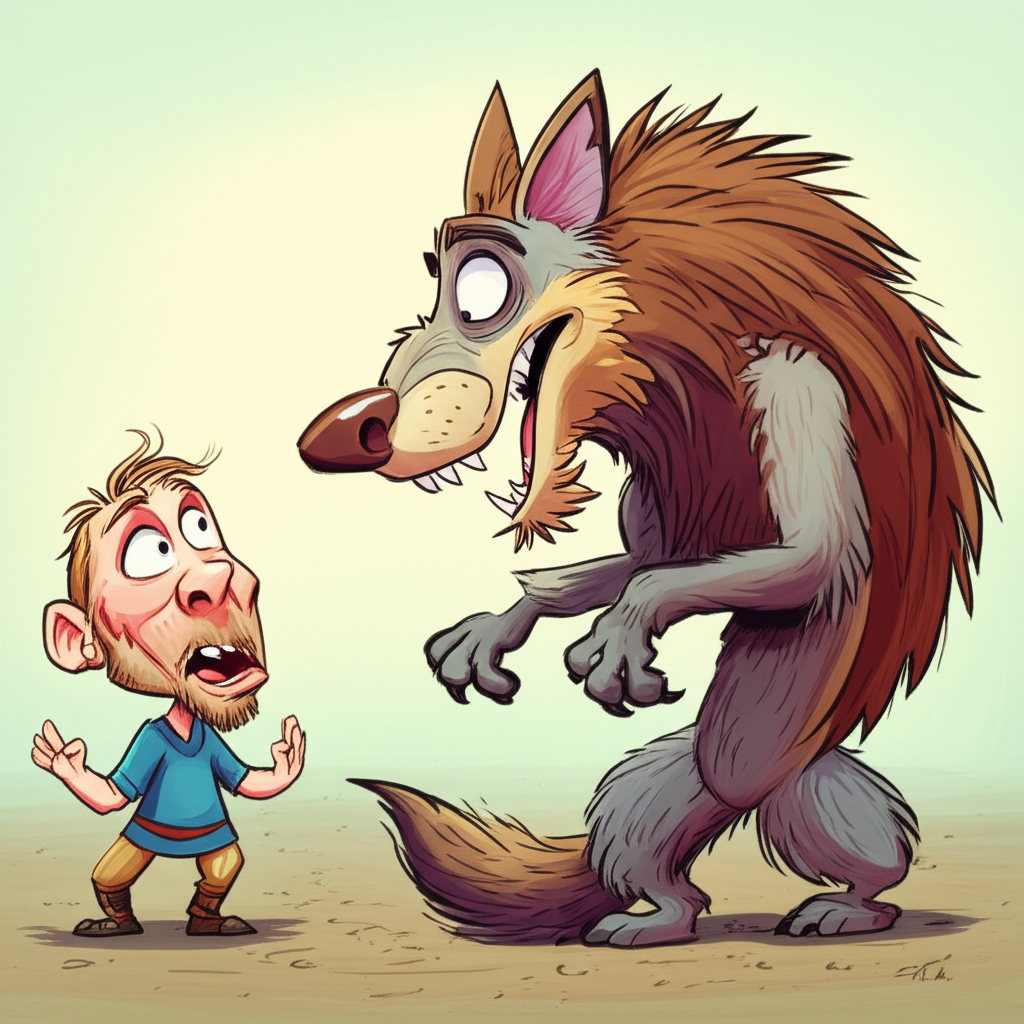
Introduction:
The tale of Fenrir, the monstrous wolf bound in unbreakable chains, hails from the frigid landscapes and fierce sagas of Norse mythology. This is a traditional story, a piece of oral history passed down through generations by the ancient Norse people, primarily from the region we now know as Scandinavia. It is a story of gods and giants, of prophecy and destiny, and of the inevitable clash between order and chaos. This narrative, like all myths, offers a glimpse into the worldview of a people and the stories they used to understand the world around them.
Origins and Cultural Background:
The Norse mythos flourished during the Viking Age, a period spanning roughly from the late 8th to the 11th centuries. This was a time of exploration, trade, and often, brutal warfare. The harsh Scandinavian environment shaped the lives of these people. The long, dark winters, the unpredictable seas, and the constant threat of raiding parties instilled a deep sense of respect for the forces of nature and a premonition of the ephemeral nature of life.
The Norse viewed the world through a lens colored by their environment and their unique religious beliefs. They believed in a pantheon of gods and goddesses, each with distinct powers and domains, who lived in the realm of Asgard. These deities, though powerful, were not omnipotent. They were subject to the whims of fate, a concept woven deeply into the fabric of Norse thought. The concept of wyrd, or fate, dictated the course of events, and even the gods were bound by its decrees. They believed in a cyclical view of time, with a final cataclysmic battle, Ragnarök, marking the end of the world, followed by a rebirth. Their stories were filled with heroic deeds, epic battles, and a deep understanding of the world.
Character / Creature Description:
Fenrir, in Norse mythology, is the monstrous son of Loki, the trickster god, and the giantess Angrboða. He is often depicted as a colossal wolf, a creature of immense size and power. His jaws are said to be capable of rending the sky and earth asunder. He is described as a creature of immense hunger and a voracious appetite, always seeking to devour and destroy. Fenrir is not simply a beast of the wild; he represents chaos, destruction, and the inevitable forces that threaten to unravel the order of the cosmos.
Symbolically, Fenrir can be interpreted as a representation of uncontrolled forces, of the untamed aspects of nature. He embodies the raw, destructive power that can overwhelm even the strongest of wills. He is a symbol of the dangers of unchecked ambition, of the consequences of allowing fear to fester and grow. In essence, he represents a force that must be contained, lest it consumes everything in its path. He is a warning about the fragility of order and the inevitable end of all things.
Main Story / Narrative Retelling:
The gods of Asgard, sensing the immense power and danger of Loki’s offspring – Fenrir, Jormungandr (the serpent that encircles the world), and Hel (goddess of the underworld) – grew wary. They knew, through prophecies and omens, that these creatures were destined to play a crucial role in Ragnarök, the twilight of the gods.
Jormungandr was cast into the ocean, where it grew to encircle the world. Hel was banished to the realm of the dead, ruling over those who died of old age or sickness. But Fenrir, the wolf, remained in Asgard, growing stronger and more ferocious with each passing day. He was a constant threat, and the gods knew they had to find a way to contain him.
At first, they tried to bind him with a chain called Læding. Fenrir allowed them to do so, seemingly trusting their good intentions. But with a single shake, he shattered the chain, proving his immense strength. The gods tried again with a stronger chain, Dromi, forged by the best of the dwarves. Again, Fenrir allowed himself to be bound, but again, he broke free.
Fear began to grip the gods. They knew that a chain that could hold Fenrir was crucial to maintaining the stability of the world. They turned to the dwarves and commissioned the creation of a chain unlike any other. This chain, named Gleipnir, was crafted not from iron or steel, but from six impossible things: the sound of a cat’s footfall, the beard of a woman, the roots of a mountain, the sinews of a bear, the breath of a fish, and the spittle of a bird.
When Gleipnir was presented to Fenrir, he sensed trickery. He was wary. He agreed to be bound, but only if one of the gods would place their hand in his mouth as a sign of good faith. Only Tyr, the god of war and justice, was brave enough to accept this condition.
Fenrir allowed himself to be bound, and as the chain tightened, he struggled in vain. He realized he had been tricked. With a roar that shook the heavens, he closed his jaws, severing Tyr’s hand at the wrist. Fenrir was now bound, his immense power contained.
He was then taken to a remote island and secured to a rock. A sword was placed in his jaws to prevent him from biting. There, he remained, howling and struggling, awaiting the coming of Ragnarök. The Norse believed that as the end of days approached, Fenrir would break free, and at Ragnarök, he would finally be unleashed, consuming Odin, the Allfather, in a final, devastating act.
Symbolism and Meaning:
The story of Fenrir is rich with symbolic meaning. It speaks to the themes of control and chaos, order and destruction. Fenrir represents the untamed forces of nature, the destructive potential that lies within all things. His binding symbolizes the struggle to contain these forces, the need to maintain order in the face of inevitable chaos. The loss of Tyr’s hand can be interpreted as a sacrifice made for the greater good, a symbol of the cost of maintaining order and facing the untamable.
The story also reflects the Norse understanding of fate. Even the gods, with all their power, could not prevent Ragnarök. Fenrir’s eventual escape and his role in the final battle were predetermined. This reinforces the Norse belief that destiny is the ultimate force, and all beings, divine or otherwise, are ultimately subject to its will.
Modern Perspective:
The myth of Fenrir continues to resonate in modern times. His image and narrative have been adapted and reinterpreted in various forms of media, from literature and movies to video games and art. He appears in popular fantasy franchises, such as The Lord of the Rings and Game of Thrones, often representing raw power, untamed rage, and the destructive potential of evil.
In cultural studies, the Fenrir myth is examined as a reflection of ancient beliefs about nature, fear, and the struggle to maintain order. The story is used to explore themes of control, freedom, and the consequences of unchecked ambition. It serves as a reminder of the fragility of civilization and the enduring power of the wild.
Conclusion:
The tale of Fenrir, the chained wolf of Midgard, is a powerful example of the enduring legacy of Norse mythology. It’s a story that allows us to explore the worldview of a culture from the past. It offers insights into their understanding of the world, their fears, their hopes, and their understanding of the forces that shaped their lives.
It is important to remember that this is a story, a cultural artifact, and not a belief to be adopted. As Muslims, we acknowledge that there is only One God, Allah, the Creator and Sustainer of all things. We recognize the value of cultural heritage, the power of imagination, and the storytelling tradition that connects us to our shared human experience. Learning about these stories helps us understand the diversity of human experience and provides a glimpse into the minds of the people who shaped our world.


