fufufafa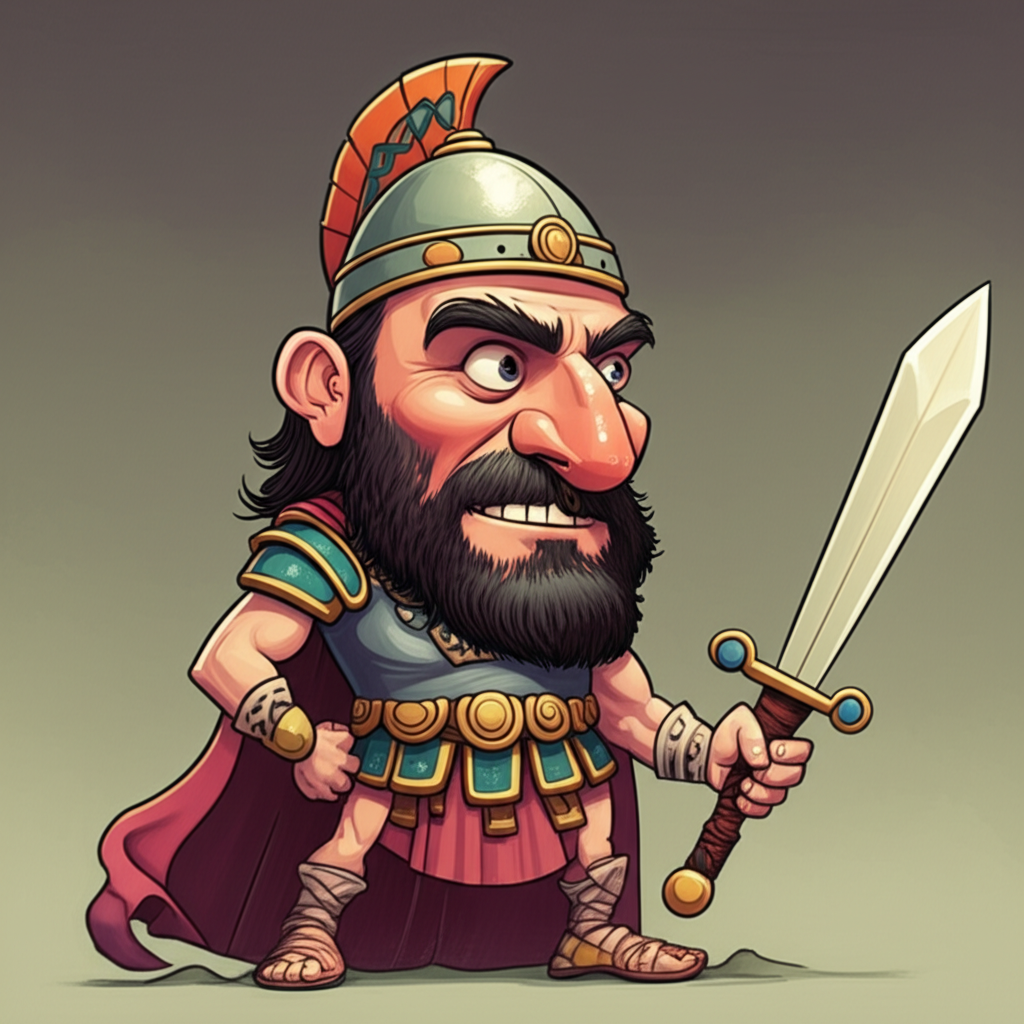
The mists of time often shroud the origins of humanity’s oldest narratives, yet within their folds lie stories that shaped cultures and illuminated the worldviews of ancient peoples. Among these treasured traditions are the myths and legends of the Celtic lands, particularly those emanating from the emerald isle of Ireland. The tale of Nuada and the climactic "War of Samhain" is one such narrative, a powerful saga from a pre-Christian era that speaks of kingship, conflict, and the eternal struggle between order and chaos. It is a traditional story, told by the ancient inhabitants of Ireland, and presented here solely for its cultural, historical, and educational understanding, not as a basis for belief or practice.
Origins and Cultural Background: Echoes from a Primordial Past
To truly appreciate the legend of Nuada, one must first step back into the cultural era in which it was born – a time often described as the Iron Age of Ireland, preceding the arrival of Christianity. This was a society deeply intertwined with the natural world, organized into tribal structures, and governed by kings, chieftains, and powerful druids. The landscape itself was perceived as alive, imbued with spiritual significance, where every hill, river, and forest held a potential connection to the Otherworld.
People of this time viewed the world through a polytheistic lens, believing in a pantheon of gods and goddesses who influenced all aspects of life – from the fertility of the land to the fortunes of war. Oral tradition was paramount; stories were the primary means of transmitting history, law, moral codes, and religious understanding across generations. They were a people who marked their year by the cycles of the sun and moon, with pivotal festivals like Samhain (marking the end of summer and harvest, and the beginning of the dark half of the year) holding profound spiritual and communal importance. It was a time when the veil between worlds was believed to thin, allowing spirits and otherworldly beings to cross over, making it a period of both reverence and apprehension, perfectly suited for tales of epic confrontation.
Nuada and the Fomorians: Figures of Sovereignty and Chaos
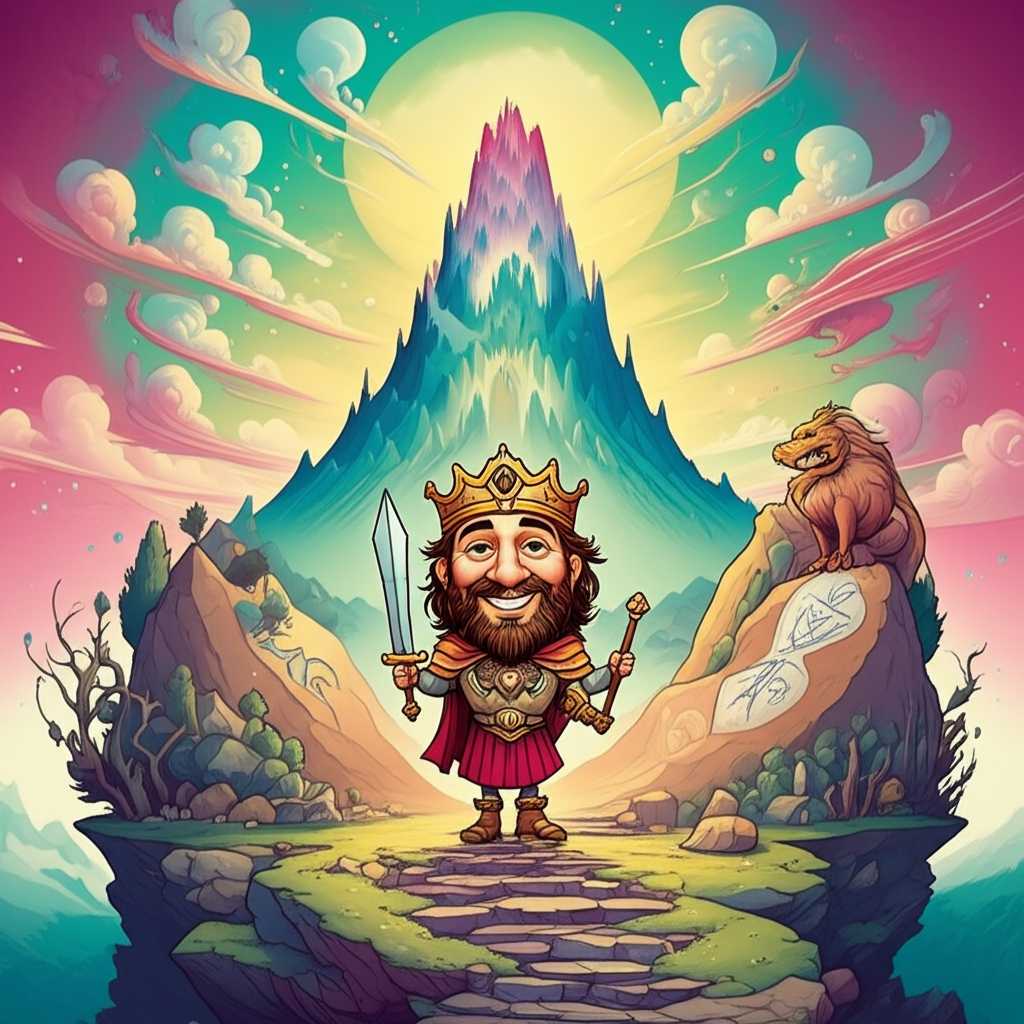
At the heart of this particular saga stands Nuada Airgetlám, or Nuada of the Silver Arm, the revered king of the Tuatha Dé Danann. The Tuatha Dé Danann, or "People of the Goddess Danu," were portrayed as a divine race, beings of extraordinary beauty, intellect, and magical prowess, skilled in craftsmanship, poetry, and war. Nuada himself was depicted as a noble and just ruler, a formidable warrior, and a symbol of rightful sovereignty. His most distinguishing feature, the magnificent silver arm forged by the physician Dian Cécht, symbolized not only his physical restoration after a grievous injury but also the Tuatha Dé Danann’s mastery of craft and their ability to overcome adversity. He embodied the ideal of a king: strong, wise, and capable of leading his people through challenging times.
Opposing the refined Tuatha Dé Danann were the Fomorians, a race often described as monstrous, chaotic, and primordial beings. They were the ancient, dark inhabitants of Ireland, frequently associated with the wild, untamed forces of nature, the depths of the sea, and the darkness that predates creation. They were depicted with grotesque features – one eye, one arm, one leg – or as having animalistic attributes, representing the very antithesis of the Tuatha Dé Danann’s order and beauty. Figures like Balor, the Fomorian king with his deadly, venomous eye, personified the destructive and tyrannical aspects of these primeval forces. These descriptions served not to promote belief in literal monsters but to symbolize the chaotic, invasive elements that threatened the established order and harmony.
The War of Samhain: A Narrative of Kingship, Sacrifice, and Destiny
The story of Nuada and the War of Samhain, often conflated with or leading to the climactic Second Battle of Mag Tuired, begins with the arrival of the Tuatha Dé Danann in Ireland. They came from the north, skilled in magic and possessing the four great treasures, seeking to establish their dominion. However, the land was already claimed by the Fir Bolg, leading to the First Battle of Mag Tuired. In this initial conflict, Nuada, leading his people with valor, suffered a devastating wound: his right arm was severed. According to ancient Celtic law, a king had to be physically perfect; thus, Nuada was rendered unfit to rule.
In his place, the Tuatha Dé Danann elected Bres, a half-Fomorian, half-Tuatha Dé Danann, hoping to forge an alliance with the formidable Fomorians. However, Bres proved to be a tyrannical and unjust ruler, neglecting his people and reducing the Tuatha Dé Danann to servitude, forcing them to pay heavy tribute to the Fomorians. Ireland languished under his oppressive hand.
Meanwhile, Nuada’s fate took a turn. The skilled physician Dian Cécht crafted for him a magnificent silver arm, which functioned as perfectly as flesh and bone. Later, Miach, Dian Cécht’s son, would even grow flesh and blood over the silver, fully restoring Nuada. With his physical perfection regained, Nuada was eligible to reclaim his throne. Bres was deposed, and Nuada was reinstated as king, much to the anger of the Fomorians, who saw their influence diminishing.
It was during this time of renewed Tuatha Dé Danann sovereignty that a new figure emerged: Lugh Lámhfada, Lugh of the Long Arm, a master of all arts and crafts. His arrival at Tara, the seat of kingship, signaled a shift in destiny. Lugh, with his unparalleled skills, challenged Nuada’s authority, not through force, but through a demonstration of his profound capabilities. Recognizing Lugh’s immense talent and the potential he held for their people, Nuada gracefully stepped aside, appointing Lugh as his chief strategist and effectively sharing power, a testament to Nuada’s wisdom and his dedication to his people’s welfare above personal glory.
The stage was set for the ultimate confrontation. The Fomorians, led by the fearsome Balor, would not tolerate the resurgence of the Tuatha Dé Danann. They gathered their monstrous hordes, preparing for a war that would decide the fate of Ireland. This great conflict, often understood to culminate around the time of Samhain – a period when the boundaries between worlds were porous and magic was potent – became known as the War of Samhain, or the Second Battle of Mag Tuired. It was a war for the very soul of the land, a clash between the refined order of the Tuatha Dé Danann and the brutal chaos of the Fomorians.
Nuada, despite having yielded the primary leadership role to Lugh, fought with the unwavering courage of a true king. He plunged into the thick of battle, a beacon of defiance against the Fomorian onslaught. However, in a tragic turn, Nuada faced the terrifying Balor. Balor’s single, venomous eye, capable of killing with a mere glance, proved too powerful. Nuada fell, slain by Balor, a king making the ultimate sacrifice for his people. Yet, his death was not in vain. Enraged and empowered, Lugh, Nuada’s successor in spirit and strategy, avenged the fallen king. He launched a stone from his sling directly into Balor’s evil eye, killing the Fomorian king and turning the tide of the battle. The Tuatha Dé Danann, though grieving their noble king, fought with renewed vigor and ultimately triumphed, securing their dominion over Ireland and ushering in an era of prosperity.
Symbolism and Meaning: Ancient Lessons for Enduring Truths
To the ancient Celts, the story of Nuada and the War of Samhain resonated with profound symbolism. Nuada’s initial loss of his arm and subsequent loss of kingship symbolized the precarious nature of sovereignty and the importance of physical perfection in leadership, reflecting a societal value of strength and wholeness. His restoration with the silver arm spoke to the power of healing, craftsmanship, and divine intervention, suggesting that even in great loss, renewal is possible. His ultimate sacrifice in battle underscored the ultimate duty of a king: to protect his people, even at the cost of his own life.
The Fomorians, on the other hand, represented the chaotic, destructive forces that continually threaten order, both within society and in the natural world. Their defeat by the Tuatha Dé Danann, especially during the liminal time of Samhain, symbolized the triumph of order over chaos, of the cultivated over the wild, and perhaps even of a newer, more refined pantheon over older, more primal deities. Samhain itself, as a time of transition and heightened spiritual activity, emphasized the idea that great transformations and battles for existence often occur at critical junctures, when the old gives way to the new. The myth provided a framework for understanding their world, their struggles, and their hopes for a prosperous future under benevolent rule. It also taught lessons about leadership, sacrifice, and the enduring human spirit in the face of adversity.
Modern Perspective: Echoes in Contemporary Culture
Today, the tales of Nuada and the Tuatha Dé Danann continue to captivate and inspire. While no longer believed as literal history, these myths form a rich tapestry for cultural study, historical analysis, and artistic expression. In literature, fantasy authors frequently draw upon Celtic mythology, creating intricate worlds and characters inspired by Nuada, Lugh, and the Fomorians. Modern novels, poems, and plays often explore the archetypes present in these stories: the fallen king, the heroic successor, the struggle between light and darkness, and the quest for sovereignty.
In film and television, elements of Celtic myth are woven into narratives, lending a sense of ancient magic and epic scale. Video games, particularly in the fantasy role-playing genre, frequently feature characters, creatures, and plotlines directly inspired by the Tuatha Dé Danann and their adversaries, allowing players to engage with these legendary figures in interactive ways. Academic fields such as folklore studies, mythology, and Celtic studies delve into these narratives to understand the social structures, religious beliefs, and psychological insights of ancient societies. The enduring appeal of these stories lies in their universal themes, which continue to resonate with human experiences of power, loss, destiny, and resilience.
Conclusion: The Enduring Power of Narrative
The legend of Nuada and the War of Samhain stands as a testament to the profound imagination and storytelling prowess of ancient Irish people. It is a powerful cultural narrative, not a religious doctrine or a call to belief, but a window into a past worldview. As Muslims, we recognize that only Allah is the true Creator and Sustainer of all existence, the One without peer or partner, and that all power and dominion belong solely to Him.
Yet, within the realm of human culture, these stories hold immense value. They enrich our understanding of diverse civilizations, showcasing humanity’s universal impulse to explain the world, to find meaning in struggle, and to pass down wisdom through compelling narratives. The tales of Nuada remind us of the enduring power of cultural heritage, the boundless scope of human imagination, and the timeless tradition of storytelling that connects us across generations and civilizations. They stand as monuments of thought, preserved not for veneration, but for reflection and appreciation of the journey of human civilization.