
 fufufafa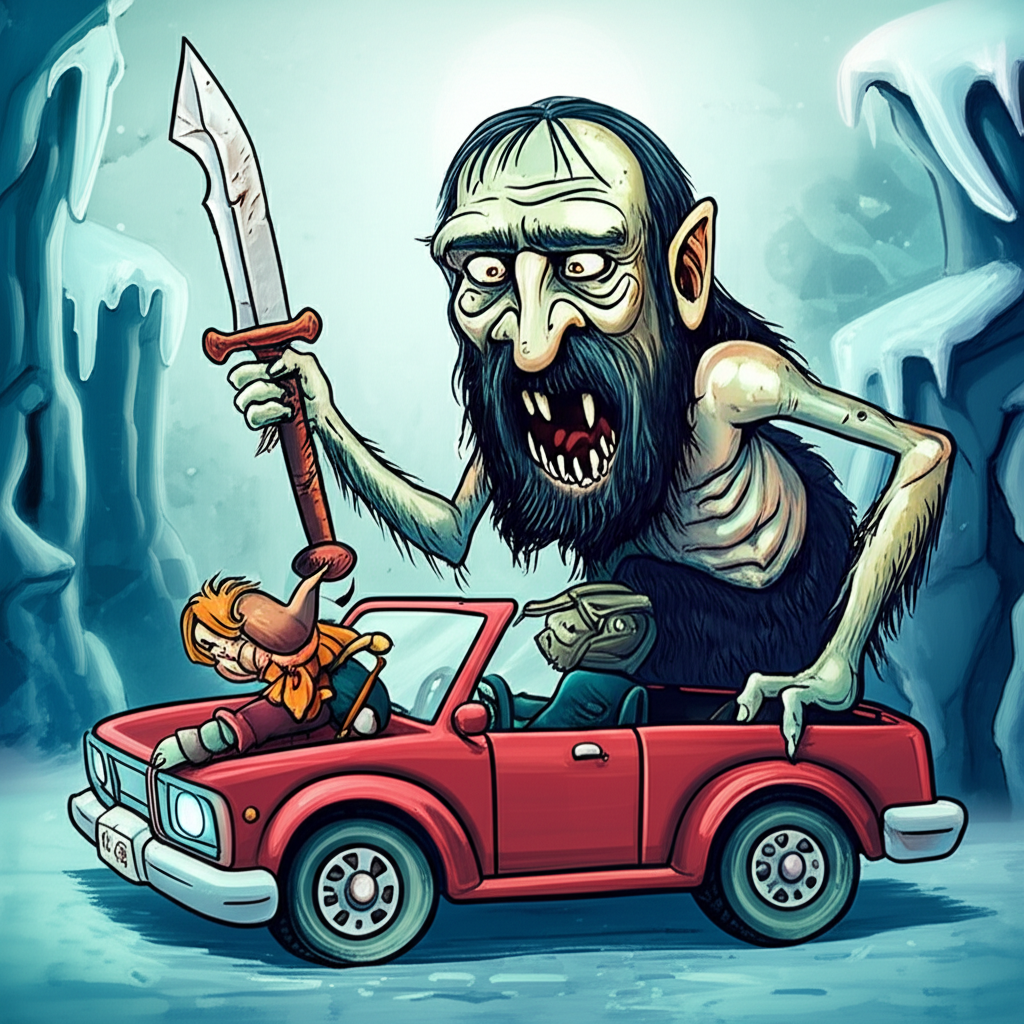
Introduction
The chilling tale of the Draugr of Niflheim comes from the rich tapestry of Norse mythology, a collection of stories and beliefs held by the ancient Scandinavian and Germanic peoples. These stories, passed down through generations by oral tradition and later written down in texts like the Eddas, offer a glimpse into the worldview, fears, and values of a society deeply connected to the natural world. It is essential to remember that these are traditional stories, narratives created by people long ago to explain the world around them, explore human nature, and grapple with the mysteries of life and death. They are not presented as facts or divine truths.
Origins and Cultural Background
The Norse myths flourished during the Viking Age (roughly 8th to 11th centuries AD), a period marked by exploration, trade, and warfare. The people of this era lived in close proximity to a harsh and unforgiving environment. The Scandinavian landscape, with its long, dark winters, rugged mountains, and vast, icy seas, profoundly shaped their beliefs. They saw the world as animated by powerful forces, both benevolent and malevolent.
Their society was structured around kinship and honor. Courage, loyalty, and strength were highly valued. The concept of fate (wyrd) played a significant role in their worldview, suggesting that events were predetermined and individuals had little control over their destiny. The afterlife was also a central concern, with ideas of Valhalla, a hall for warriors slain in battle, and Hel, the realm of the dead ruled by the goddess Hel, shaping their understanding of mortality. Within this context, the Draugr emerged as one of the most terrifying figures in their mythology.
Character / Creature Description
The Draugr (plural Draugar) is an undead creature in Norse mythology, often described as a reanimated corpse animated by malevolent spirits. They are typically depicted as bloated, decaying corpses with superhuman strength and a malevolent hunger for the living. Often guarding their burial mounds or hoards of treasure, the Draugr were not mere zombies; they possessed intelligence, cunning, and often the abilities they had in life, augmented by supernatural powers.
Symbolically, the Draugr can be interpreted as representing several things. They embody the fear of death and the decay of the body. They also symbolize the consequences of greed and the corruption of power, as they often guard treasures they cannot use. The Draugr could represent the dangers of breaking societal norms, such as disrespecting the dead or violating sacred spaces. Their existence served as a cautionary tale, reminding people to live virtuous lives and honor the traditions of their ancestors. The physical traits of the Draugr, like their bloated and decaying bodies, also could have been a symbol of the harsh environment and its effects on the human body.
Main Story / Narrative Retelling
The wind howled a mournful dirge across the desolate plains of Niflheim, the realm of primordial ice and darkness. Kveldulf, a seasoned warrior known for his bravery and unmatched axe skills, found himself lost and alone in this forsaken land. He had been tracking a rogue band of berserkers who had dared to raid his village, and the trail had led him to the very edge of the world, or so it seemed.
As the weak light of the distant sun barely pierced the perpetual gloom, Kveldulf stumbled upon an ancient burial mound, its stones covered in a thick layer of frost. An unnatural silence hung in the air, broken only by the creaking of the ice under his boots. He knew this was a place of the dead, a place best left undisturbed. But the berserkers had likely sought shelter within, and Kveldulf’s oath to protect his people compelled him forward.
He drew his axe, its steel gleaming faintly in the dim light, and approached the mound’s entrance. The stone slab covering the opening was partially dislodged, revealing a dark and musty passage. He took a deep breath and stepped inside.
The air within was thick with the stench of decay. Kveldulf raised his torch, its flickering light revealing a chamber filled with bones, rusted weapons, and scattered treasures. In the center of the chamber, seated upon a throne of stone, sat a figure. It was a Draugr, its skin stretched taut over its bones, its eyes burning with a cold, unholy light. The Draugr was once a powerful Jarl in his time. Now his face was gaunt, with dark sunken eyes and a skeletal nose.
The Draugr rose slowly, its joints creaking like ancient doors. "You dare trespass in my domain, mortal?" it rasped, its voice like the grinding of ice.
Kveldulf stood his ground, his axe held high. "I seek only the berserkers who have wronged my people."
The Draugr laughed, a chilling sound that echoed through the chamber. "They are mine now. You will join them."
The battle was fierce. Kveldulf fought with the courage and skill that had made him a legend. But the Draugr was stronger than any mortal man, its undead flesh resistant to his blows. He was also more powerful than a normal Draugr. His eyes had a magical, unearthly glow to them. The Draugr swung a massive, rusted sword with unnatural speed, forcing Kveldulf to dodge and parry desperately.
Finally, with a desperate lunge, Kveldulf struck the Draugr in its heart, a weak spot he had noticed amidst the decaying flesh. The Draugr roared in agony as black ichor gushed from the wound. Its form began to crumble, turning to dust and bone.
Exhausted but victorious, Kveldulf emerged from the burial mound, leaving the berserkers to their eternal torment. He had faced the Draugr of Niflheim and lived to tell the tale, a testament to his courage and a reminder of the darkness that lurked in the frozen wastes.
Symbolism and Meaning
To the ancient Norse, the story of Kveldulf and the Draugr may have represented the constant struggle between good and evil, order and chaos. The Draugr, as a symbol of corruption and death, threatened the stability of their world. Kveldulf’s victory, through bravery and skill, reaffirmed the importance of upholding moral values and protecting one’s community. The story may have also served as a warning against greed and disrespect for the dead, reinforcing the importance of honoring the ancestors and following the established social order.
Modern Perspective
The Draugr continues to capture the imagination in modern literature, movies, and video games. They often appear as formidable enemies in fantasy settings, embodying the fear of death and the supernatural. Games like God of War and The Elder Scrolls V: Skyrim feature Draugr as challenging opponents, drawing on their mythological origins while adding new layers of interpretation. Their presence in popular culture demonstrates the enduring power of Norse mythology to inspire and entertain audiences centuries after its creation.
Conclusion
The tale of the Draugr of Niflheim is a fascinating example of the rich storytelling tradition of the Norse people. It offers valuable insights into their beliefs, values, and fears. It is important to remember that this is a cultural story, a product of human imagination, and not a reflection of divine truth.
As Muslims, we believe that Allah is the one and only Creator, the Sustainer of the universe. We recognize the value of understanding and appreciating different cultures and their stories, but we hold firm in our belief in the Oneness of Allah. These stories serve as a reminder of the power of imagination and the importance of preserving our cultural heritage, while always remaining grounded in our faith. Let us reflect on these tales, not as literal truths, but as echoes of a distant past, filled with the wisdom and anxieties of those who came before us.


