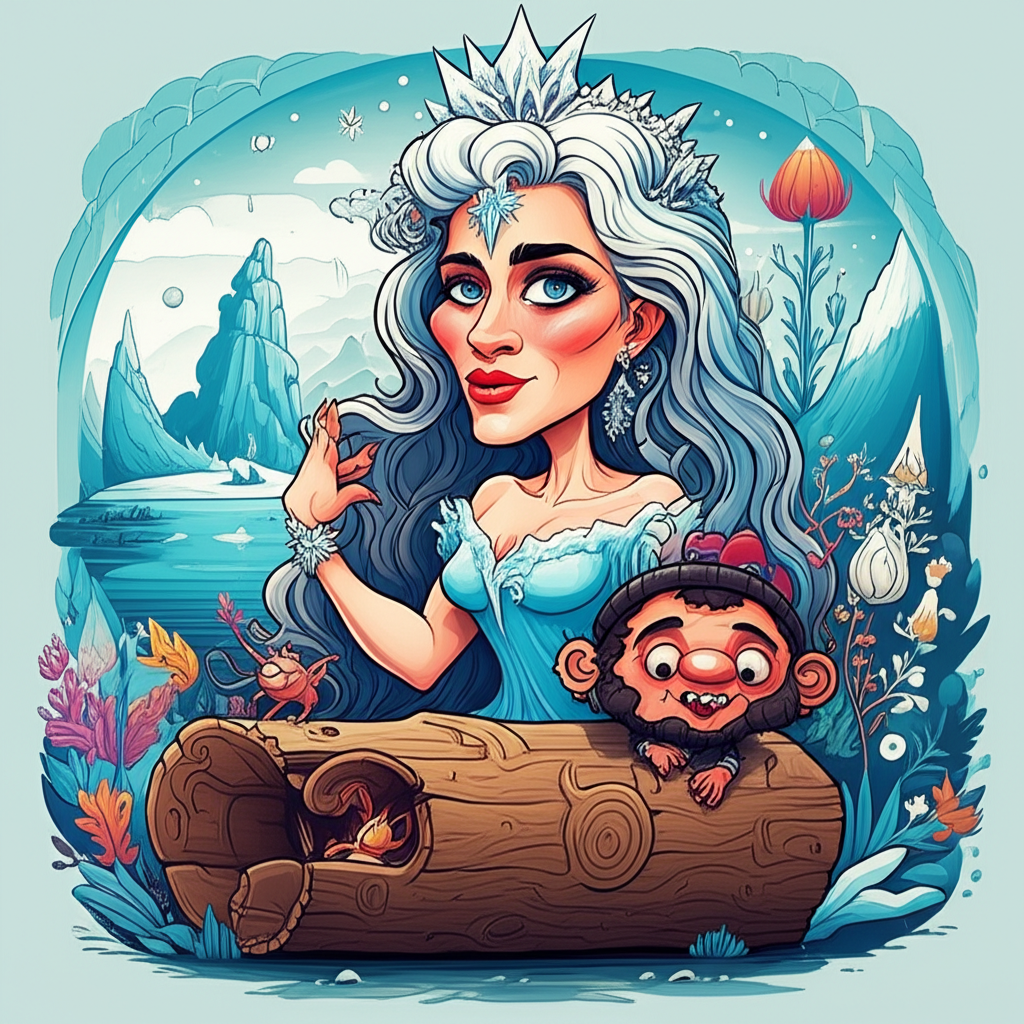
fufufafa
Introduction:
The tapestry of Slavic folklore is woven with threads of nature, magic, and the unseen world. From the vast, snow-covered plains of Russia to the sun-drenched shores of the Adriatic, generations have shared tales of gods, spirits, and heroes. This story, passed down through oral tradition, originates from the Slavic cultures of Eastern Europe, a region encompassing countries like Russia, Ukraine, Belarus, Poland, and others. It is a traditional story, a window into the beliefs and imaginings of ancient people, offering us a glimpse into their world, not a guide to be followed or believed. We approach it not as truth, but as a fascinating cultural artifact.
Origins and Cultural Background:
The stories of Perun, Domovoi, and Buyan Island flourished in a pre-Christian era, a time when the Slavs worshipped a pantheon of gods and spirits, believing them to inhabit the natural world. This was a time of intense connection to the land, where the rhythms of the seasons dictated life and survival. The vast forests, the winding rivers, and the unpredictable weather all played a crucial role in shaping their worldview. They believed that everything – the rustling of leaves, the whisper of the wind, the cry of a wolf – held a spirit, a force that could influence their lives.
Their world was a blend of the tangible and the intangible. They understood the practicalities of agriculture, hunting, and building, but they also believed in the power of magic, divination, and the ability to communicate with the spirits. They sought to appease these spirits through rituals and offerings, hoping to ensure good harvests, protect their homes, and ward off misfortune. This belief system, often referred to as Slavic paganism, shaped their societal structures, artistic expressions, and, of course, their storytelling.
Character/Creature Description:
This story centers around three key elements: Perun, the Domovoi, and Buyan Island.
-
Perun: The supreme god of thunder, lightning, and war, Perun was the most powerful deity in the Slavic pantheon. He was often depicted as a strong, bearded warrior, riding a chariot pulled by a goat or a bull, and wielding a lightning bolt. He symbolized strength, justice, and the power of the natural world. Perun was seen as the protector of the people and the enforcer of order.
-
Domovoi: The Domovoi, or "house spirit," was a benevolent household deity, believed to reside within every home. He was often depicted as a small, hairy, and somewhat mischievous being, resembling an elderly man. He was the guardian of the home, responsible for its well-being, and the protection of its inhabitants. A well-treated Domovoi would bring good luck, prosperity, and protect the family from harm. However, if angered or neglected, he could cause mischief, such as hiding objects, making noises, or even causing minor accidents.
-
Buyan Island: A mythical island, often described as a place of immense power and magic. Its location was fluid, sometimes associated with the sea, sometimes with a lake, or even with a distant land. Buyan Island was believed to be the home of powerful spirits, including Veles, the god of wealth and magic, and often served as a portal to other realms. It was a place of transformation, where the boundaries between the world of the living and the world of the spirits blurred.
Main Story / Narrative Retelling:
The tale begins with Perun, the mighty Thunder God, angered by a brewing storm. He rode his chariot across the heavens, his lightning bolts striking the earth, punishing those who had broken the laws of the gods. As the storm raged, a humble farmer, Ivan, sought shelter in his small wooden house.
Ivan, a kind and hardworking man, had always treated the Domovoi of his home with respect. He left him small gifts of bread, milk, and honey, ensuring his home was clean and tidy. The Domovoi, in return, protected Ivan’s family and brought them good fortune.
The storm intensified, and the winds howled. Suddenly, the house trembled, and a small, flickering light appeared in the corner. It was the Domovoi, looking unusually concerned. “Ivan,” he whispered, his voice like the rustling of leaves, “Perun’s anger is upon us. He seeks to punish those who have forgotten him.”
“What can we do?” Ivan asked, his heart pounding with fear.
The Domovoi gestured towards a small, intricately carved wooden box. “This box holds a secret,” he said. “It contains a piece of Buyan Island. If you can reach Buyan Island, you might find a way to appease Perun.”
With the Domovoi’s help, Ivan was transported, not by the normal means, but through the portal of the wooden box, to the edge of a shimmering lake, a place of immense and strange power. It was Buyan Island, a place where the veil between worlds was thin.
The island was a marvel to behold. Lush forests, shimmering streams, and towering mountains rose from the waters. Animals spoke in human tongues. Ivan wandered through the island, seeking a way to placate Perun. He met Veles, the god of magic and the earth. He listened to the advice of the wise Baba Yaga, a powerful sorceress. He observed the dances of the Rusalki, water spirits, and the mischievous ways of the Leshy, the forest spirit.
Finally, after many trials and tribulations, Ivan learned that Perun’s anger stemmed not from malice, but from a forgotten offering. The people had become too focused on their daily lives and had forgotten to show reverence for the gods.
Following the wisdom he had gained on Buyan Island, Ivan returned to his home. He instructed his people to make a grand offering to Perun, to honor him with songs, dances, and sacrifices. He also emphasized the importance of kindness, respect for the land, and maintaining a connection to the spirits of the home and the forest.
When Perun saw the genuine repentance and devotion of the people, his anger subsided. The storm passed, and the sun returned. The land was healed, and Ivan and his people thrived, their bond with the spirits strengthened by the experience. The Domovoi continued to watch over Ivan’s home, content in the knowledge that his family had learned the importance of honoring the gods and respecting the unseen world.
Symbolism and Meaning:
This story carries rich symbolism. Perun represents the forces of nature, but also the need for justice and order. The Domovoi embodies the importance of maintaining a harmonious relationship with the spirits that inhabit our homes and the natural world. Buyan Island symbolizes the journey of self-discovery, the exploration of the spiritual realm, and the potential for transformation. The story emphasizes the importance of respect for the gods, community, and the interconnectedness of all things. It also serves as a moral tale, highlighting the dangers of neglecting one’s spiritual duties and the rewards of humility and devotion.
Modern Perspective:
Today, these myths continue to resonate. They have found their way into literature, movies, and video games, often inspiring fantasy and historical settings. The Domovoi is a popular figure in Russian folk art, and Buyan Island frequently appears in stories of magic and adventure. The character of Perun has been reinterpreted, sometimes as a symbol of national identity or as a powerful force of nature. In academic circles, these stories are studied as valuable insights into the beliefs, values, and social structures of the ancient Slavs.
Conclusion:
This narrative, drawn from the wellspring of Slavic folklore, is a fascinating glimpse into the imaginative world of our ancestors. It is a story to be enjoyed, understood, and appreciated for its cultural significance, not to be taken as a literal truth or a matter of faith. As Muslims, we understand that only Allah, the Most High, is the true Creator and Sustainer of all things. This story is a testament to the power of human imagination, the enduring appeal of storytelling, and the rich heritage of the Slavic people. It reminds us of the importance of preserving our cultural heritage, exploring the boundaries of imagination, and learning from the stories that shape our world.