fufufafa
Introduction:
From the heart of ancient Slavic lands, where sprawling forests met meandering rivers, come whispers of Morana, the goddess of winter and death, and the haunting figure of the Rusalka, a water spirit often associated with tragic loss. These figures, deeply entwined with the sacred pagan groves that once dotted the landscape, are not divine entities to be worshipped, but rather traditional characters from stories told by our ancestors. Their tales offer a glimpse into the beliefs and worldview of a people who lived in close communion with the natural world, and a rich cultural heritage that continues to resonate today.
Origins and Cultural Background:
Imagine a world where the changing seasons dictated the rhythm of life. This was the reality for the early Slavic people, a society deeply connected to the cycles of nature. Their lives revolved around agriculture, and the success of their harvests depended entirely on the benevolence of the elements. In this world, where the line between the physical and spiritual was blurred, the natural world was imbued with spirits and deities, each holding sway over different aspects of existence.
These early Slavs lived in decentralized communities, often organized around kinship groups. Their religion was polytheistic, with a pantheon of gods and goddesses who were believed to influence their daily lives. These deities were not seen as distant, unreachable beings, but rather as forces that could be appeased through offerings, rituals, and reverence for the natural world. Pagan groves, or sacred groves of trees, served as central locations for worship and community gatherings. They were places where the veil between worlds was believed to be thin, where humans could connect with the divine.
This cultural era, spanning from pre-Christian times until the gradual conversion to Christianity, saw the development of a rich oral tradition. Myths and legends were passed down through generations, offering explanations for natural phenomena, conveying moral lessons, and preserving the collective memory of the people. These stories were not considered literal truths in the modern sense, but rather allegorical narratives that reflected the fears, hopes, and values of the community.
Character / Creature Description:
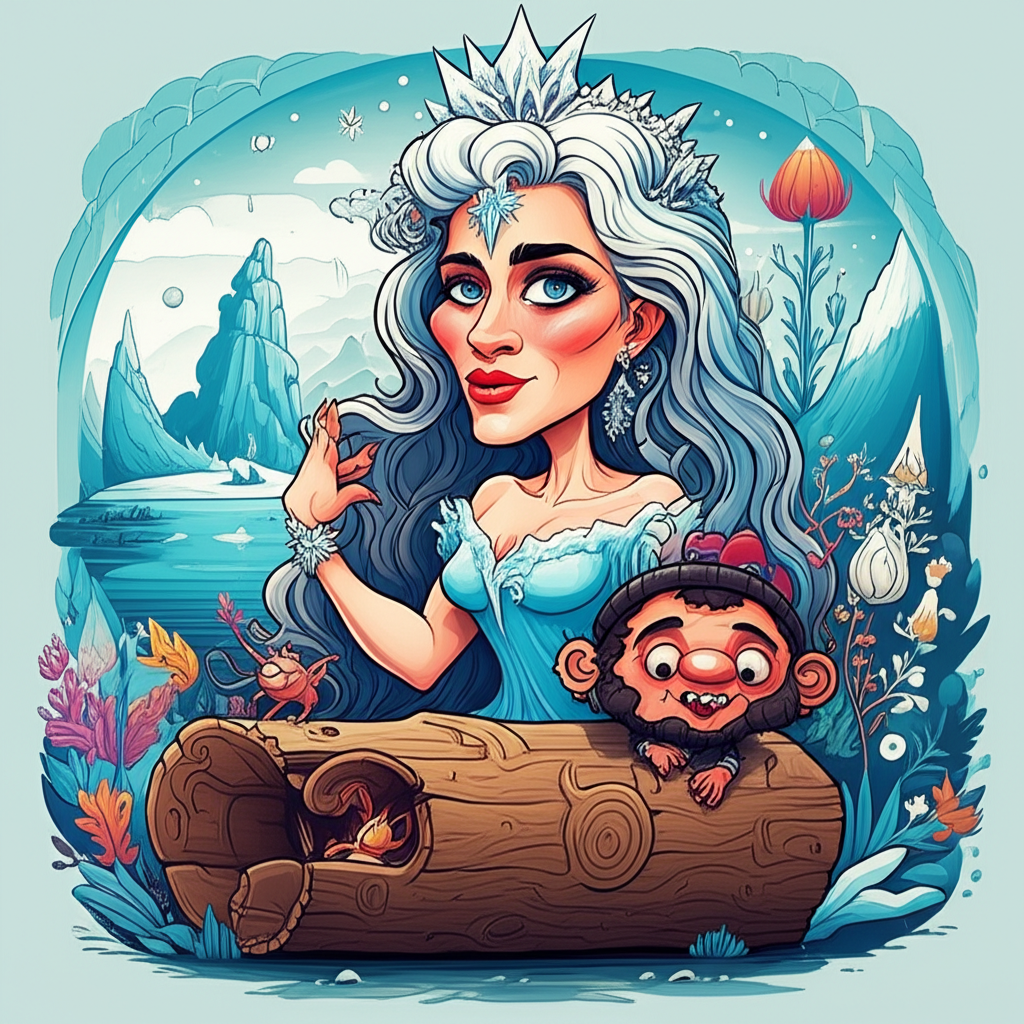
Morana, also known as Marzanna, was the goddess associated with winter, death, and the end of the agricultural cycle. She wasn’t inherently evil but represented the necessary period of dormancy before the rebirth of spring. Symbolically, she was often depicted as a straw effigy dressed in white, adorned with ribbons and jewelry. The burning or drowning of this effigy in effigy in the spring symbolized the end of winter’s reign and the welcoming of new life.
The Rusalka, on the other hand, is a more ambiguous figure. Typically described as a beautiful young woman with long, flowing hair, often green or seaweed-like, the Rusalka is a water spirit born of tragic circumstances. According to folklore, she is the spirit of a young woman who died an unnatural death, most commonly by drowning, often after being betrayed or abandoned by a lover.
The Rusalka’s appearance can be deceiving. While beautiful, she is also dangerous. Her eyes are said to hold a haunting sadness, and her skin is often pale and cold. She is most active at night, luring unsuspecting travelers to their watery graves with her enchanting songs and mesmerizing beauty. Symbolically, the Rusalka represents the dangers of unchecked passion, the pain of betrayal, and the untamed power of nature. She is a reminder that beauty can be deceiving, and that not all spirits are benevolent.
Main Story / Narrative Retelling:
The wind howled through the ancient pagan grove, whistling a mournful tune through the bare branches of the oak trees. The air was thick with the scent of damp earth and decaying leaves, a reminder of Morana’s icy grip on the land. In the village nestled beside the forest, the people huddled around their fires, praying for the return of spring.
Young Anya, her heart heavy with sorrow, walked along the riverbank. Her lover, Dmitri, had promised her marriage, but had instead run off with another. Heartbroken and consumed by despair, Anya had thrown herself into the cold, rushing waters.
Days later, the villagers found her lifeless body entangled in the reeds. They buried her with tears and prayers, but Anya’s spirit could not find rest. She rose from the depths as a Rusalka, her skin pale as moonlight, her long hair flowing like seaweed in the current.
Now, under the pale glow of the moon, Anya would sit on the riverbank, singing a haunting melody that echoed through the forest. Men, drawn by her ethereal beauty and sorrowful voice, would wander towards her, their hearts filled with longing. But as they reached out to touch her, Anya would pull them into the depths, claiming them as her own in the watery realm where she was forever bound.
One night, a young shepherd named Ivan heard Anya’s song. He was captivated by her beauty, but also sensed the deep sorrow in her voice. He knew the stories of the Rusalki, but his heart ached for the lost soul of the young woman. He approached her cautiously, offering her not love, but compassion.
Anya, surprised by his genuine kindness, hesitated. For the first time, she saw not lust or desire in a man’s eyes, but understanding. She told Ivan her story, her voice filled with pain and regret. Ivan listened patiently, offering her comfort and solace.
Though he could not free her from her watery prison, Ivan visited Anya every night, sharing stories and offering her friendship. Gradually, the haunting melody of the Rusalka became less mournful, tinged with a hint of peace. The river still claimed its victims, but Anya’s heart, once consumed by vengeance, began to heal.
Symbolism and Meaning:
To the ancient Slavic people, Morana and the Rusalka were powerful symbols of the natural world and the human condition. Morana represented the inevitable cycle of death and decay, reminding them of the impermanence of life and the need to prepare for the harsh winter months. The Rusalka, on the other hand, served as a cautionary tale about the dangers of unchecked emotions, the consequences of betrayal, and the fragility of life. Her story highlighted the importance of honoring commitments and respecting the power of nature.
The pagan groves, as sacred spaces, represented the connection between the human world and the spiritual realm. They were places where people could seek guidance, offer sacrifices, and commune with the deities and spirits that governed their lives.
Modern Perspective:
Today, the myths of Morana and the Rusalka continue to inspire artists, writers, and filmmakers. The Rusalka, in particular, has become a popular figure in fantasy literature and video games, often portrayed as a powerful and alluring water spirit with a tragic past. These modern interpretations often explore themes of loss, revenge, and the duality of human nature. The stories are adapted and reinterpreted to reflect contemporary concerns and perspectives, ensuring that these ancient tales continue to resonate with audiences today. Morana has also become a popular theme in modern Pagan and Wiccan traditions, representing the dark aspect of the Goddess and the need for balance in nature.
Conclusion:
The echoes of Morana, the Rusalka, and the pagan groves remind us of the rich cultural heritage of our ancestors. These stories, though rooted in ancient beliefs and traditions, offer valuable insights into the human condition and the importance of respecting the natural world. These are not divine entities to be worshipped, but rather characters from stories told by ancient people to understand the world around them.
As Muslims, we recognize that only Allah is the true Creator and Sustainer of the universe. We understand that these are stories created by humans to explore their fears, hopes, and values. Nevertheless, these myths offer a glimpse into the imaginations of our ancestors and the power of storytelling to shape our understanding of the world. They remind us of the importance of preserving our cultural heritage and celebrating the diversity of human expression. Through these tales, we can learn about the past, connect with our roots, and appreciate the enduring power of imagination.