fufufafa
Introduction:
From the heart of the Philippine archipelago, specifically the Visayas region, whispers of mythical creatures and ancient deities echo through the generations. Among the most enduring and terrifying of these tales is that of the Aswang, a shape-shifting monster deeply ingrained in Filipino folklore. These stories, passed down through oral tradition by our ancestors, offer a glimpse into their world, their fears, and their attempts to understand the unknown. It is crucial to remember that the following narrative is a traditional story told by ancient people, a product of their imagination and cultural context, and not a reflection of any reality or belief system.
Origins and Cultural Background:
Imagine a time long before electricity illuminated the night, before modern medicine eased suffering, and before scientific explanations clarified the natural world. Life in the ancient Visayas was intimately intertwined with the rhythms of nature. The sun, the sea, and the forest dictated the daily lives of the people. Animism, the belief that spirits inhabit natural objects and phenomena, was prevalent. Illness, misfortune, and unexplained events were often attributed to the actions of these unseen entities. This world, steeped in superstition and a deep respect for the power of nature, provided fertile ground for the seeds of the Aswang legend to take root.
Villages were close-knit, relying on communal support and shared knowledge. Stories were not merely entertainment; they were vessels of cultural transmission, conveying moral lessons, explaining societal norms, and warning against potential dangers. The Aswang, in this context, served as a cautionary figure, embodying the darkness that could lurk within the community and the dangers of straying from accepted social boundaries. The fear instilled by the Aswang stories was a powerful tool for maintaining order and discouraging deviant behavior.
Character / Creature Description:
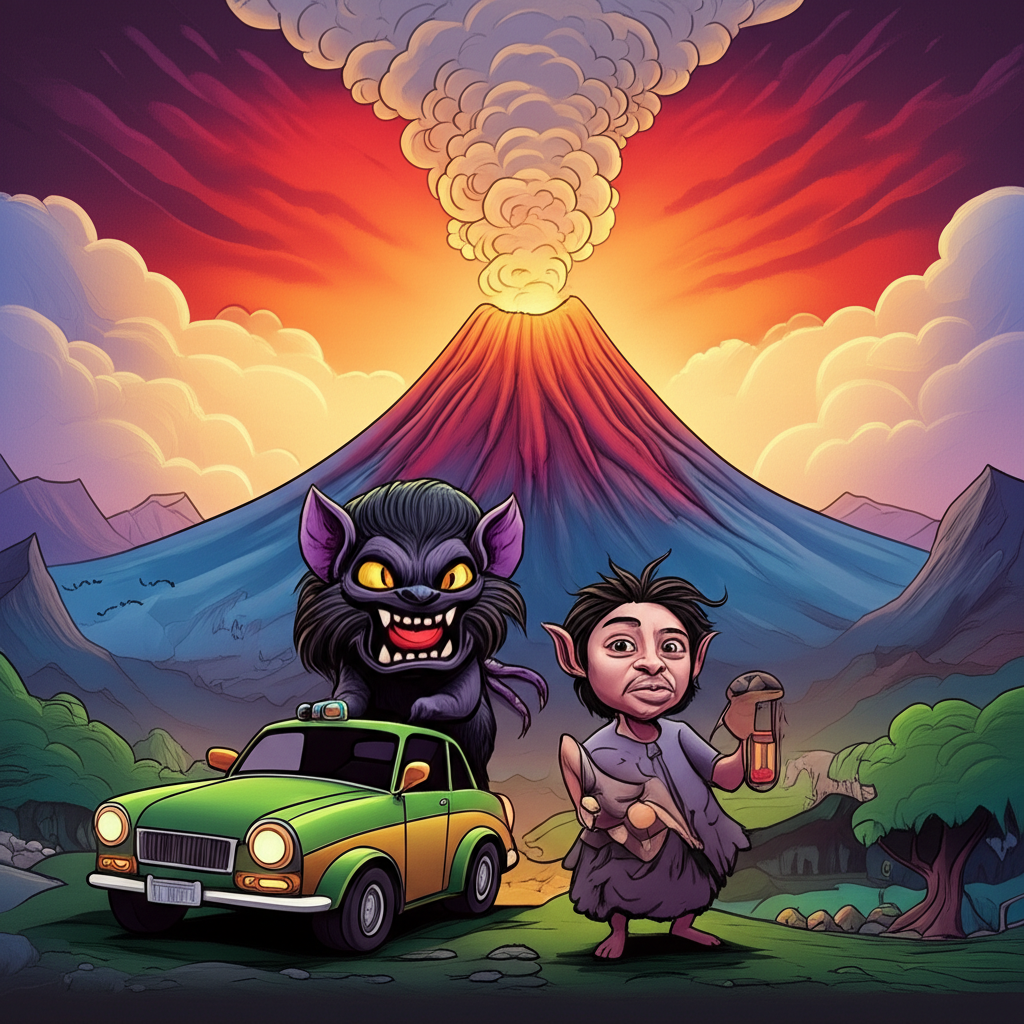
The Aswang is not a singular entity but rather a composite of several terrifying traits. It is a shape-shifter, capable of transforming into animals, often a black dog, a large bird (like a crow or a bat), or a pig. In its human form, it is said to be indistinguishable from ordinary villagers, leading a double life of normalcy during the day and preying on the vulnerable at night. A tell-tale sign, according to folklore, is its aversion to sunlight, its bloodshot eyes (due to flying at night), and the hollow sound its feet make when walking.
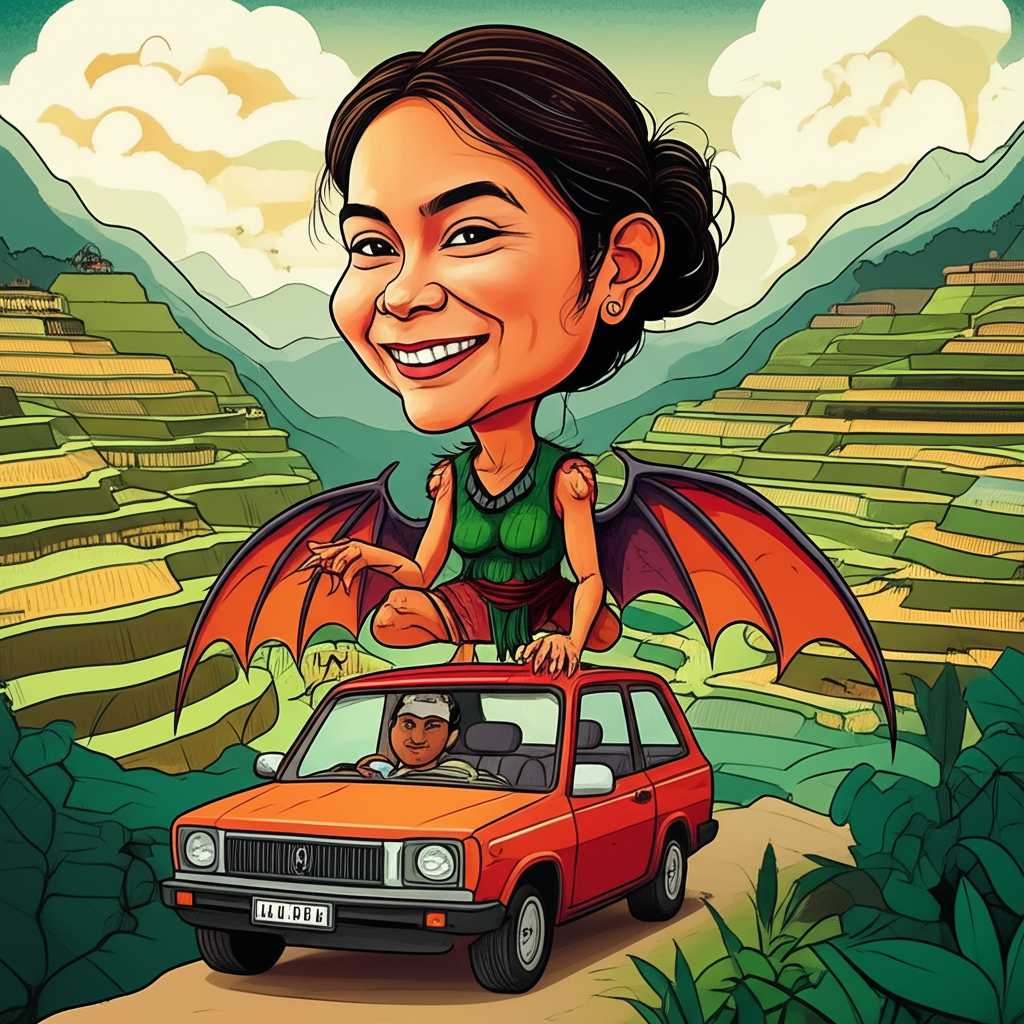
The Aswang is most feared for its ability to separate its upper torso from its lower body, sprouting wings and flying off in search of prey. It is said to crave the taste of human flesh, particularly that of unborn fetuses or young children. It uses a long, proboscis-like tongue to suck the life out of its victims, leaving them weakened and vulnerable to illness. The symbolic attributes of the Aswang are numerous. Its shape-shifting ability represents the hidden dangers within the seemingly familiar. Its craving for human flesh symbolizes the corruption and insatiable greed that can consume individuals. Its predatory nature embodies the fear of the unknown and the vulnerability of innocence.
Main Story / Narrative Retelling:
The fishing village of Dalaguete nestled along the coast of Cebu, its tranquility broken only by the gentle lapping of waves and the rhythmic chants of fishermen returning with their catch. In this village lived Aling Ising, a woman known for her quiet demeanor and generous spirit. She was always willing to lend a hand, to care for the sick, and to offer comfort to those in need. But behind her kind facade, a dark secret festered.
One night, under the shroud of a new moon, Aling Ising felt the familiar stirring within her. A hunger, not for food, but for something far more sinister. As the village slept, she retreated to her small hut. With a guttural groan, she performed the ancient ritual, severing her torso from her legs. Wings sprouted from her back, leathery and black, and she soared into the night sky, a creature of nightmare.
Her target was the home of young Elena, who was heavy with child. Aling Ising, in her monstrous form, perched on the roof, her keen senses picking up the faint heartbeat of the unborn child within Elena’s womb. She extended her long, thin tongue, piercing the nipa roof and reaching for the life force within.
Meanwhile, in a neighboring hut, Apo Rito, the village elder and a skilled herbalist, felt a disturbance in the air. He knew the signs, the unnatural stillness, the chilling breeze that carried the scent of decay. He grabbed his bolo, blessed with ancient prayers, and rushed towards Elena’s house.
He arrived just as Aling Ising was attempting to flee, her torso dragging the lifeless body of a small, stillborn infant. Apo Rito raised his bolo and, with a swift strike, severed the Aswang’s wings. Aling Ising crashed to the ground, her human form slowly returning.
The villagers, awakened by the commotion, gathered around. They saw Aling Ising, their trusted neighbor, now revealed as the monstrous Aswang. A wave of fear and disbelief washed over them. Apo Rito, with a heavy heart, knew what had to be done. To protect the village, the Aswang had to be eliminated.
Symbolism and Meaning:
The story of the Aswang, like many myths, is a tapestry woven with threads of symbolism and meaning. It served as a way for ancient Visayans to grapple with anxieties surrounding childbirth, disease, and the unknown. The Aswang, as a predator of unborn children, likely reflected the high infant mortality rates of the time and the helplessness felt in the face of such loss. The fear of the Aswang could also be interpreted as a metaphor for social anxieties. The creature’s ability to blend in with the community symbolized the potential for evil to lurk within, emphasizing the importance of vigilance and adherence to social norms. The story served as a warning against greed, envy, and the abuse of power, all of which could transform a person into something monstrous.
Modern Perspective:
The Aswang legend continues to resonate in modern Filipino culture, albeit with a shift in perspective. The creature has found its way into literature, movies, and video games, often reimagined as a complex and sometimes even sympathetic character. In horror films, the Aswang serves as a terrifying monster, exploiting the primal fears ingrained in the collective Filipino psyche. In literature, authors explore the psychological and social implications of the Aswang myth, examining themes of identity, alienation, and the struggle between good and evil. In cultural studies, the Aswang is analyzed as a reflection of Filipino history, beliefs, and social anxieties. The persistence of the Aswang in popular culture demonstrates the enduring power of myth and its ability to adapt and evolve across generations.
Conclusion:
The story of Anitun Tabu and the Aswang is a captivating echo from the Visayas Seas, a reminder of the rich tapestry of Filipino folklore and the power of storytelling to shape cultural identity. It is essential to remember that this is a cultural narrative, born from the imagination of our ancestors and reflecting their worldview. It is not a belief system, but rather a window into the past, allowing us to understand the fears, hopes, and values of those who came before us. As Muslims, we recognize that only Allah is the true Creator and Sustainer of the universe. We acknowledge the importance of preserving our cultural heritage, appreciating the artistry of our storytelling tradition, and understanding the symbolic meanings embedded within these ancient tales. These stories, though fictional, offer valuable insights into the human condition and the enduring power of the imagination. They serve as a reminder of the importance of community, morality, and the constant struggle against the darkness that can reside within us all.