fufufafa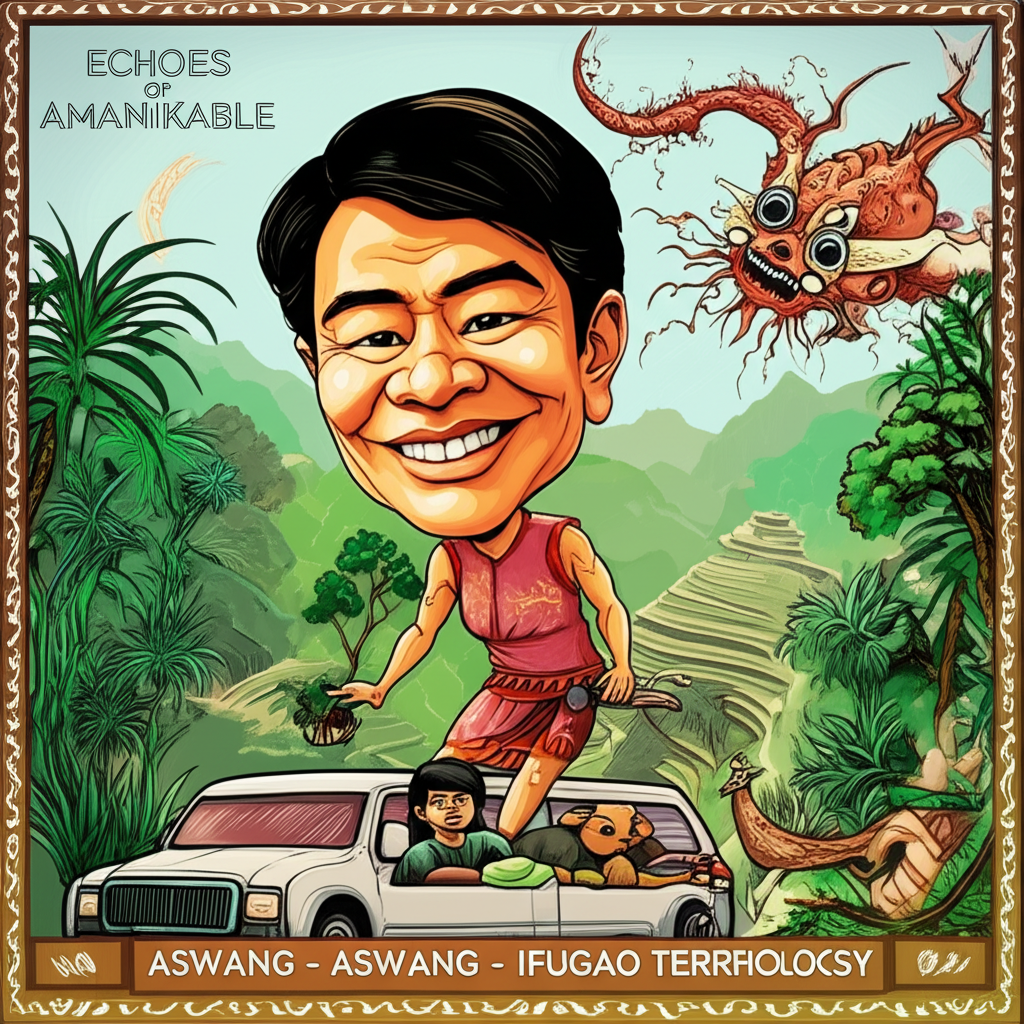
Introduction
The story of Amanikable, the Aswang, and their connection to the majestic Ifugao Rice Terraces is a tapestry woven from the rich oral traditions of the Philippines, particularly among the indigenous communities of the Cordillera region in Northern Luzon. This is not a recounting of historical fact or divine truth, but rather a glimpse into the imaginative world of our ancestors, a world populated by powerful spirits, both benevolent and malevolent, and shaped by the rhythms of nature and the challenges of survival. It is a story passed down through generations, a cultural artifact reflecting the beliefs, fears, and values of a people deeply connected to their land.
Origins and Cultural Background
Imagine a time long before the advent of modern technology, a time when the world was understood through the lens of animism and ancestor worship. The communities of the Cordillera lived in close harmony with nature, their lives dictated by the seasons and the bounty of the earth. The mountains were not just geographical features but sacred spaces, inhabited by spirits both helpful and harmful. Every rustle of leaves, every shadow cast by the moon, held potential significance.
This was a society deeply rooted in oral tradition. Stories were not mere entertainment but vital tools for transmitting knowledge, preserving history, and reinforcing social norms. The babaylan, or shamans, served as intermediaries between the human and spirit worlds, interpreting omens, performing rituals, and ensuring the well-being of the community. The creation of the Ifugao Rice Terraces, a monumental feat of engineering achieved through backbreaking labor and intricate knowledge of irrigation, was not just a practical endeavor but a sacred act, a testament to the people’s ingenuity and their ability to work in harmony with the natural world. The stories surrounding these terraces often intertwined with tales of spirits and mythical beings, reflecting the belief that the success of their harvests depended on maintaining balance between the human and spirit realms.
Character/Creature Description: Amanikable and the Aswang
Amanikable, in some interpretations, is considered a temperamental deity, the god of the sea and storms, known for his strength and unpredictable nature. He embodies the untamed power of the natural world, a force to be both respected and feared. While not always directly linked to evil, his association with the sea – a vast and often perilous domain – suggests a potential for destruction and chaos.
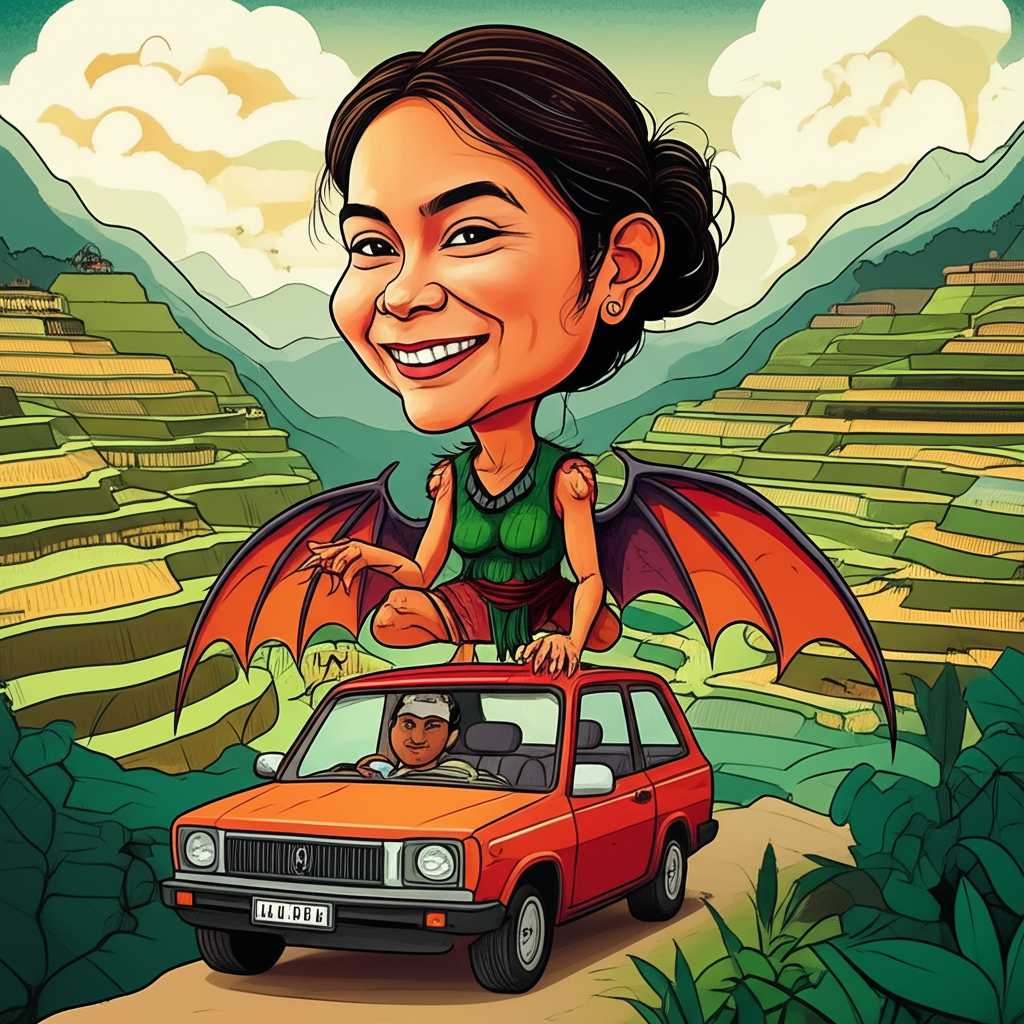
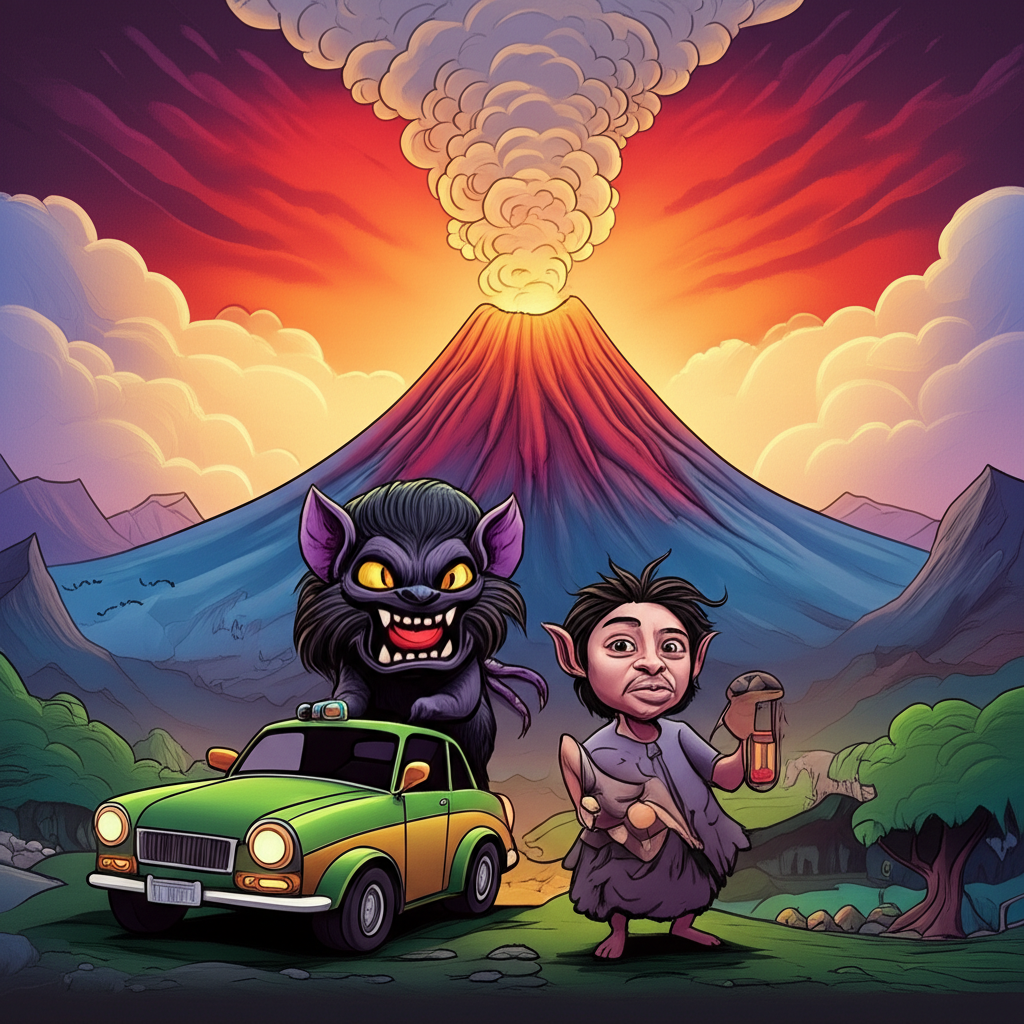
The Aswang, on the other hand, is a more definitively malevolent creature, a shapeshifting monster often depicted as a woman by day, but a horrifying predator by night. She (or he, as the Aswang can be either gender) preys on the vulnerable, particularly pregnant women and infants, sometimes even replacing them with inanimate objects or cursed versions. The Aswang’s physical attributes vary depending on the specific legend, but common features include the ability to detach its upper torso from its lower body, flying with bat-like wings and using a long, thread-like tongue to suck the life out of its victims. The Aswang is a symbol of the unknown, of the dangers that lurk in the shadows, and of the vulnerability of human life. Importantly, the Aswang is often portrayed as living amongst the community, indistinguishable from ordinary people during the day, thus creating an atmosphere of constant suspicion and paranoia.
These figures are symbolic representations of the fears and anxieties of the people. Amanikable embodies the unpredictable forces of nature, while the Aswang represents the ever-present threat of disease, famine, and death, especially child mortality.
Main Story/Narrative Retelling
Long ago, in the heart of the Cordillera, lived a people whose lives were intertwined with the rhythm of the rice paddies carved into the mountainsides. Their ancestors had toiled for generations, transforming the rugged terrain into the breathtaking Ifugao Rice Terraces, a testament to their ingenuity and resilience.
But even amidst this prosperity, a shadow loomed. Whispers circulated of the Aswang, a creature of darkness that stalked the villages under the cover of night. Pregnant women locked their doors tight, babies were never left unattended, and the scent of garlic permeated the air, believed to ward off the evil spirit.
One year, the harvest was particularly bountiful. The rice stalks bowed heavy with grain, promising a season of plenty. The villagers attributed their good fortune to the appeasement of Amanikable, the sea god, whose favor they had sought through offerings and prayers. But as the celebration reached its peak, a strange unease settled over the community. Livestock began to disappear, and a chilling wind swept through the valleys, carrying with it the faint scent of decay.
An old woman, her face etched with the wisdom of generations, warned that the Aswang was among them, drawn by the abundance and the vulnerability of the pregnant women. She recounted tales of how the Aswang could transform into a beautiful maiden, offering help and kindness during the day, only to reveal its true monstrous form under the cloak of darkness.
Fear gripped the village. Every shadow seemed to hold a potential threat, every stranger was met with suspicion. The men armed themselves with spears and bolos, patrolling the perimeter of the village throughout the night. The women kept vigil, chanting ancient prayers and burning incense to ward off evil spirits.
One night, a piercing scream shattered the silence. A young woman, soon to give birth, had been attacked. The villagers rushed to her aid, but the Aswang had vanished, leaving behind only a lingering scent of death. In the following days, many babies were born weak and sickly, adding to the fear and despair. The people had to face the fact that the Aswang had struck hard and that the whispers were all true.
In response, the strongest warriors decided to seek the counsel of the babaylan. With the help of the shamans, they learned how to fight the terrifying Aswang and protect the pregnant women and the newborns.
Symbolism and Meaning
The story of Amanikable, the Aswang, and the Ifugao Rice Terraces is rich in symbolism. Amanikable represents the unpredictable power of nature, a force that can both sustain and destroy. The Aswang embodies the ever-present threat of death and disease, reflecting the anxieties of a community constantly battling for survival. The Ifugao Rice Terraces, on the other hand, symbolize the ingenuity, resilience, and hard work of the people, their ability to transform a harsh environment into a source of sustenance.
The story also serves as a cautionary tale, reminding people to be vigilant, to trust their instincts, and to protect the vulnerable members of their community. It reinforces the importance of social cohesion and the need to work together in the face of adversity. Furthermore, the story highlights the delicate balance between the human and spirit worlds, emphasizing the importance of respecting the forces of nature and appeasing the spirits that inhabit the land.
Modern Perspective
Today, the myth of the Aswang continues to resonate in Philippine culture, appearing in literature, movies, and video games. In modern interpretations, the Aswang is often used as a metaphor for social ills, such as corruption, exploitation, and the abuse of power. The story serves as a reminder of the dangers of unchecked greed and the importance of fighting for justice and equality. In cultural studies, the myth is examined as a reflection of historical anxieties and power dynamics, providing insights into the social and cultural landscape of the Philippines.
Conclusion
The story of Amanikable, the Aswang, and the Ifugao Rice Terraces is a testament to the power of storytelling and the enduring legacy of our ancestors. It is a reminder that even in the face of adversity, the human spirit can endure, and that through ingenuity, resilience, and social cohesion, we can overcome even the most daunting challenges.
As Muslims, we recognize that only Allah is the true Creator and Sustainer of the universe. While we acknowledge the cultural significance of these traditional stories, we understand that they are not based on divine truth. They are, however, valuable cultural artifacts that offer insights into the beliefs, values, and anxieties of our ancestors, reminding us of the importance of preserving our heritage and celebrating the rich tapestry of human imagination.