
 fufufafa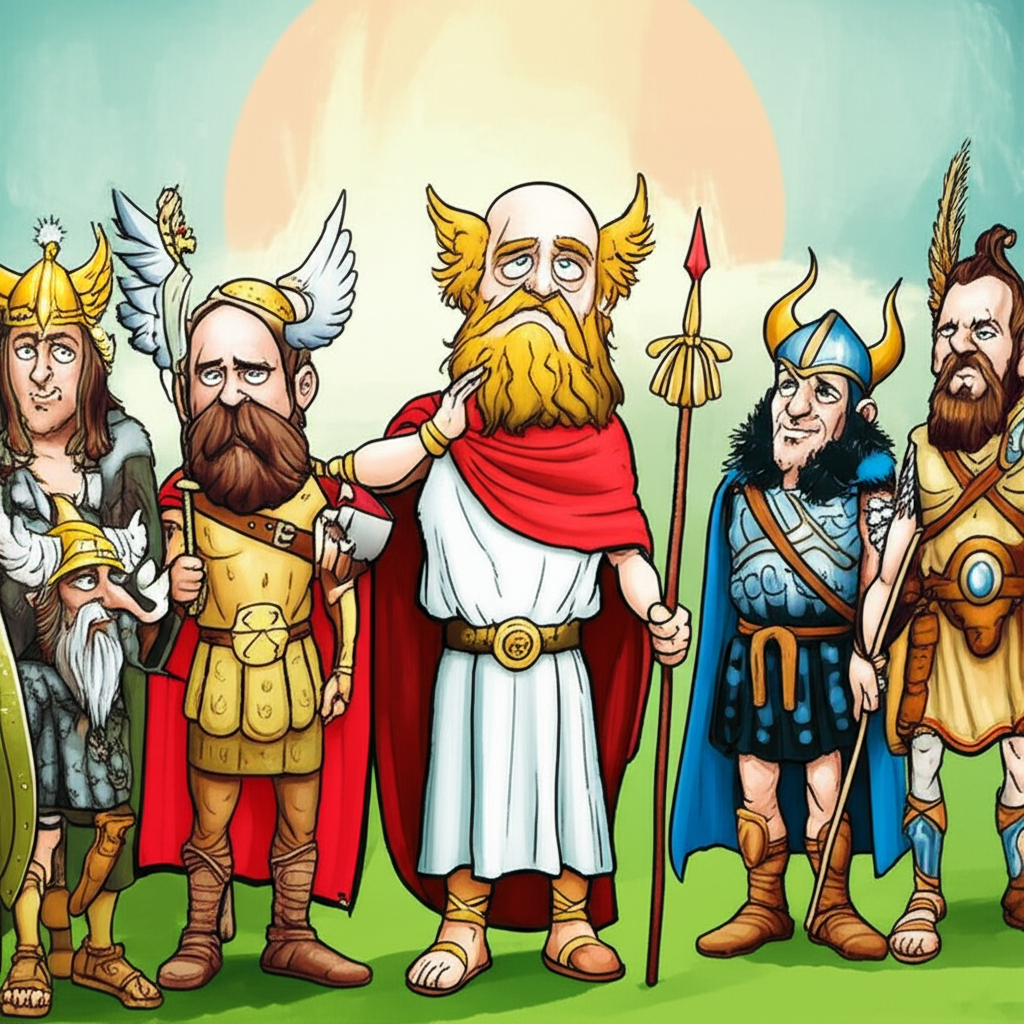
Introduction:
From the icy lands of Scandinavia, a tapestry of tales has been woven through the ages, passed down through generations by word of mouth and eventually recorded in texts like the Eddas. These are the stories of Norse mythology, filled with powerful gods, valiant heroes, terrifying monsters, and epic battles. Among them is the tale of Baldr, the beautiful and beloved god, and the events surrounding the tumultuous Aesir-Vanir War. It is important to remember that these are traditional stories told by ancient people, reflecting their understanding of the world and not a reflection of any divine reality.
Origins and Cultural Background:
The Norse myths flourished during the Viking Age (roughly 8th to 11th centuries AD), a period characterized by seafaring expeditions, raiding, trading, and the exploration of new lands. The people of this era lived in a harsh environment, intimately connected to the rhythms of nature. Their lives were shaped by the changing seasons, the unpredictable seas, and the constant threat of conflict. Their mythology reflected this reality. The gods were powerful but flawed, subject to fate and engaged in struggles that mirrored the challenges faced by humans. Concepts like honor, courage, and loyalty were highly valued, and the myths often served as a way to explain natural phenomena, teach moral lessons, and provide a sense of meaning in a precarious world. They viewed the world as divided into nine realms, connected by the great ash tree Yggdrasil, each populated by different beings, from gods and humans to giants and elves.
Character Description: Baldr
Baldr, often described as the most beautiful and beloved of the Aesir gods, held a prominent place in the Norse pantheon. He was the son of Odin, the Allfather, and Frigg, the goddess of marriage and motherhood. Baldr was not known for feats of great strength or cunning like Thor or Loki, but rather for his radiance, gentleness, and wisdom. He was associated with light, purity, and justice. Symbolically, Baldr might have represented the sun, the coming of summer, or the inherent goodness that exists even in the darkest of times. He was so fair that light seemed to emanate from him, and his presence brought joy and peace to all who beheld him. His halls, Breidablik, were said to be a place of unparalleled beauty and tranquility.
Main Story: Baldr’s Dreams and the Trial of the War
The story begins with Baldr plagued by nightmares foretelling his own death. These dreams deeply troubled him and caused great sorrow among the Aesir. Frigg, desperate to protect her son, went throughout the nine realms, making every living thing and inanimate object swear an oath not to harm Baldr. She journeyed to every corner of the world, securing promises from fire, water, metal, stone, disease, and every beast imaginable.
Believing Baldr now invulnerable, the Aesir began a game in Asgard. They hurled weapons at him – spears, axes, rocks – but none could pierce his skin. Baldr remained unscathed, much to the amusement of the gods. However, Loki, the trickster god, was never one to be content with simple merriment. Filled with envy and malice, he disguised himself as an old woman and approached Frigg, subtly inquiring if she had truly made everything swear an oath.
Frigg, confident in her efforts, confessed that she had overlooked one small plant: the mistletoe. It was too young and insignificant, she reasoned, to pose any threat. Loki, seizing this opportunity, plucked a sprig of mistletoe and returned to Asgard. He approached Hodr, Baldr’s blind brother, and offered to help him participate in the game. "Here, Hodr," Loki said, placing the mistletoe in Hodr’s hand. "Throw this at Baldr, and you too can share in the fun."
Hodr, unaware of Loki’s deceit, threw the mistletoe. It struck Baldr, piercing him through. The beautiful god, invulnerable to all else, fell dead to the ground. Grief engulfed Asgard. The light had gone out of the world.
The death of Baldr highlights the aftermath of the Aesir-Vanir War. This war was a conflict between two groups of gods: the Aesir, associated with war, law, and order, and the Vanir, associated with fertility, magic, and prophecy. The war began when the Aesir tortured and killed Gullveig, a Vanir woman who practiced seidr (magic). In retaliation, the Vanir attacked Asgard. The war raged for a long time, causing great destruction. Eventually, both sides realized that neither could truly defeat the other. They decided to make peace and exchange hostages.
To end the war, both sides agreed to a peace treaty. The Aesir sent Hoenir, a strong and handsome god, and Mimir, a wise counselor, to the Vanir as hostages. However, Hoenir was unable to make decisions without Mimir’s guidance, and the Vanir felt they had been cheated. In anger, they beheaded Mimir and sent his head back to Odin. Odin, saddened by the loss of his friend, preserved Mimir’s head with herbs and magic, and consulted it for wisdom. The death of Baldr, in a way, is a tragic result of the underlying tensions and conflicts that stemmed from the Aesir-Vanir War. The war had created deep divisions and resentments, making Asgard vulnerable to the manipulative schemes of Loki and leading to the tragic loss of the beloved god.
Symbolism and Meaning:
The story of Baldr’s death is rich in symbolism. Baldr himself can be seen as a symbol of light, goodness, and purity, whose death represents the triumph of darkness and chaos. The mistletoe, seemingly harmless, represents the unexpected vulnerabilities that can lead to downfall. Loki embodies the destructive forces of envy, malice, and deceit. The story may have served as a cautionary tale about the dangers of complacency and the importance of vigilance. It also explores the themes of fate, grief, and the cyclical nature of life and death. To the Norse people, who faced constant hardship and uncertainty, the myth may have provided a framework for understanding loss and finding meaning in the face of adversity.
Modern Perspective:
The Norse myths, including the tale of Baldr, continue to resonate in modern culture. They appear in literature, movies, video games, and other forms of media. Characters like Thor and Loki have become household names, thanks to the Marvel Cinematic Universe. The themes and motifs of Norse mythology – courage, honor, the struggle against fate – continue to inspire writers and artists. In cultural studies, the myths are studied as a window into the beliefs, values, and worldview of the Viking Age.
Conclusion:
The story of Baldr and the Aesir-Vanir War is a powerful and enduring tale from Norse mythology, a testament to the rich cultural heritage of the Scandinavian people. It’s important to remember that this is a cultural story, a product of human imagination, and not a statement of belief. As Muslims, we recognize that only Allah is the true Creator and Sustainer of the universe. This tale, however, offers a glimpse into the minds of our ancestors, their understanding of the world, and their enduring fascination with storytelling. It reminds us of the power of imagination and the importance of preserving cultural heritage, even as we remain steadfast in our faith. These stories, passed down through generations, serve as a reminder of the enduring human need to understand the world around us and to find meaning in the face of life’s inevitable challenges.


