fufufafa
Introduction:
From the diverse archipelago of the Philippines, a rich tapestry of myths and legends has been woven through generations. Among the most enduring, and often terrifying, is the tale of the Aswang. This is not a story of divine power or historical fact, but a traditional story, passed down through oral tradition, reflecting the fears, beliefs, and cultural understandings of ancient Filipinos. It is a creature of folklore, a being of darkness that dwells in the shadows of the collective imagination. Let us explore this fascinating narrative as a window into a bygone era, respecting it as a cultural artifact and understanding that it represents the beliefs of people who lived long ago.
Origins and Cultural Background:
The Aswang myth finds its roots in the pre-colonial Philippines, a time when animism and a deep connection to the natural world shaped the spiritual landscape. Before the arrival of Islam and Christianity, Filipinos believed in a multitude of spirits, both benevolent and malevolent, inhabiting the forests, rivers, and even their own homes. Their world was one where the boundaries between the physical and spiritual realms were porous, and the actions of humans could have profound consequences on the unseen forces around them.
Villages were tightly knit communities, and storytelling played a crucial role in preserving history, transmitting cultural values, and explaining the mysteries of life and death. The Aswang, in this context, likely served as a cautionary tale, a way to enforce social norms and warn against deviant behavior. The fear of the Aswang instilled obedience and vigilance, encouraging individuals to adhere to community expectations and protect themselves from potential threats, both real and imagined. The lack of modern scientific understanding meant that illnesses, unexplained deaths, and natural disasters were often attributed to supernatural causes, further fueling the belief in creatures like the Aswang.
Character / Creature Description:
The Aswang is not a singular entity but rather a shape-shifting creature that can appear in various forms, most commonly as a human during the day. This is perhaps its most terrifying aspect: its ability to blend seamlessly into the community, making it impossible to know who harbors this dark secret. The Aswang’s human guise often appears normal, perhaps even unassuming, but certain telltale signs are whispered about – shifty eyes, a faint smell of decaying flesh, or an aversion to garlic and holy objects.
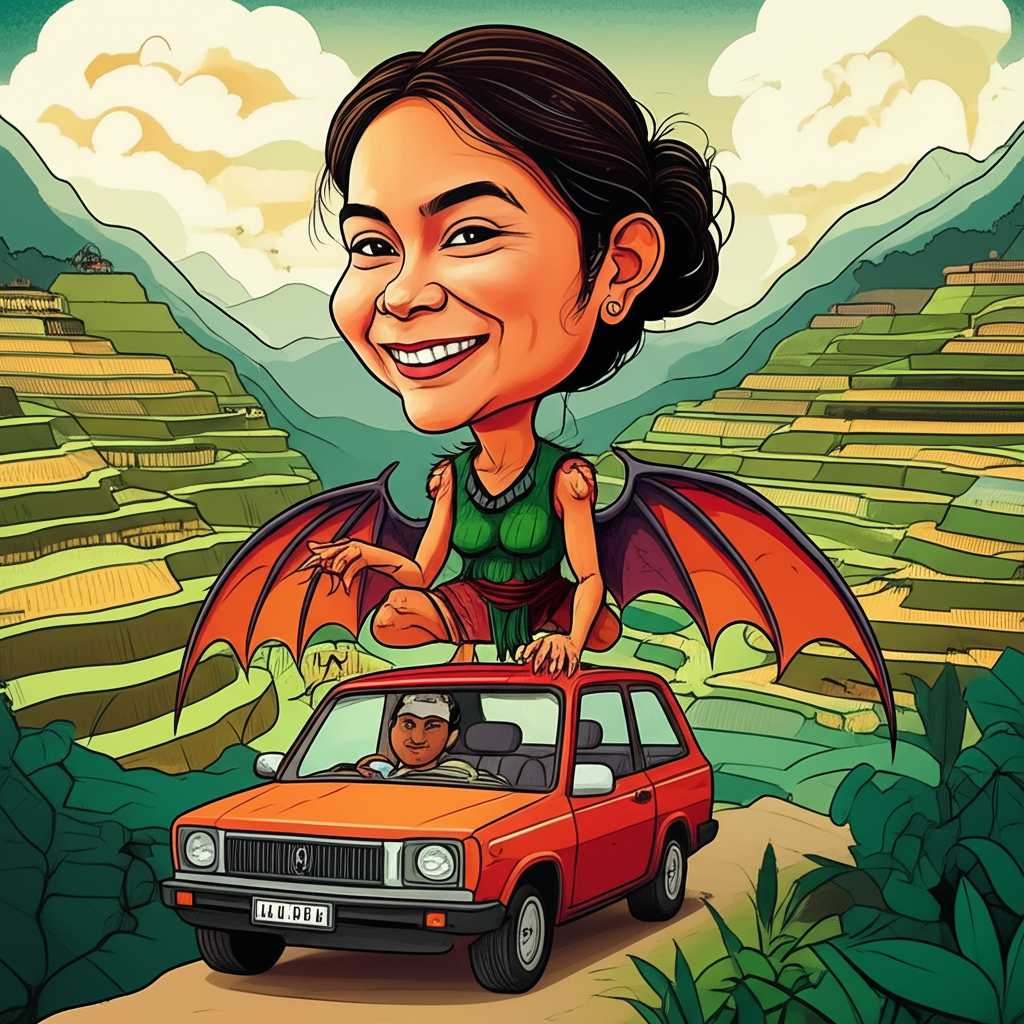
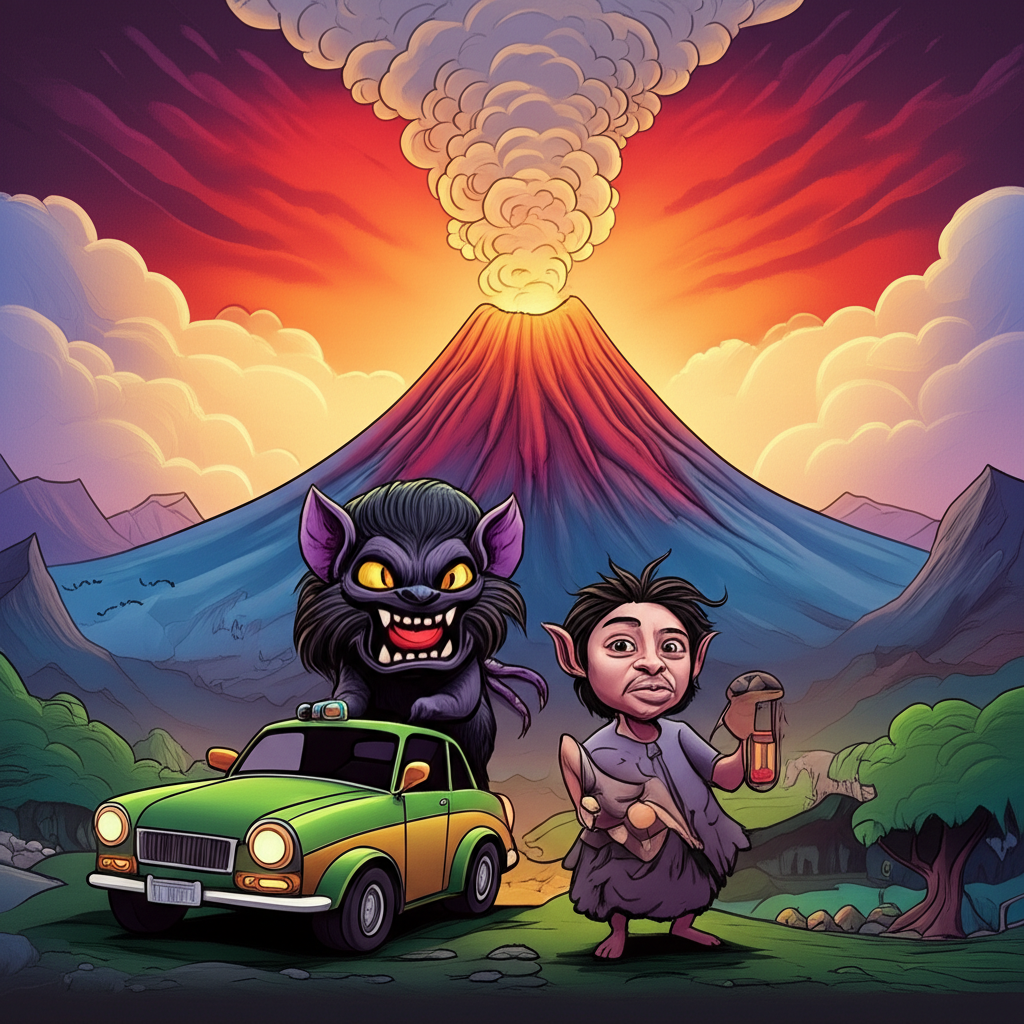
At night, the Aswang undergoes a horrifying transformation. It can detach its upper torso from its lower body, sprouting bat-like wings and soaring through the darkness, searching for its prey. Some accounts describe the Aswang as having a long, proboscis-like tongue, which it uses to suck the blood and organs from unsuspecting victims, particularly pregnant women and young children. Other versions depict the Aswang as a dog, a pig, or other animals, reflecting the close relationship between humans and animals in rural Philippine life.
Symbolically, the Aswang represents the darker aspects of human nature – greed, envy, and the desire to inflict harm on others. Its shape-shifting abilities symbolize the hidden dangers that can lurk beneath a seemingly innocent exterior. The Aswang also embodies the fear of the unknown, the anxieties surrounding pregnancy and childbirth, and the vulnerability of children in a world where threats are ever-present. The creature’s association with decay and death reinforces the impermanence of life and the importance of protecting oneself and one’s family from harm.
Main Story / Narrative Retelling:
In the village of San Isidro, nestled beside the whispering Banyan trees, lived a woman named Aling Ising. By day, she was known for her gentle nature and her skill in weaving intricate mats. But as the sun dipped below the horizon, painting the sky in hues of orange and purple, Aling Ising underwent a horrifying transformation. She was an Aswang.
One night, under the cloak of a moonless sky, Aling Ising detached her upper torso from her legs. Her spine stretched, cartilages cracked, and leathery wings unfurled from her back. She took flight, a silhouette against the star-dusted canvas of the night. Her keen senses led her towards the river, where the souls of the recently deceased were said to gather before their journey to the afterlife.
This river, known as the "River of Souls" by the village elders, wasn’t a physical waterway. It was a liminal space, a bridge between the living world and the realm of the departed. Aswangs were drawn to it, not to guide the souls, but to prey upon them, stealing their life force to prolong their own unnatural existence.
Aling Ising swooped down towards the riverbank, her eyes gleaming with an unholy hunger. She saw the faint, shimmering forms of the souls, waiting patiently for the dawn when they would be guided to their final destination. But as she reached out to snatch one, a figure emerged from the shadows – an old woman named Lola Ingga, the village’s spiritual guardian.
Lola Ingga, armed with a blessed bamboo staff and a heart filled with courage, confronted the Aswang. "Aling Ising," she cried, her voice echoing across the river, "you are a blight upon this land! You defile the sacred River of Souls!"
Aling Ising hissed, her features contorting into a grotesque mask of rage. "These souls are mine to take!" she snarled, lunging towards Lola Ingga.
A fierce battle ensued. Lola Ingga, despite her age, fought with the strength of her convictions. She struck the Aswang with her blessed staff, each blow weakening its power. Finally, with a desperate cry, Aling Ising retreated, her wings beating frantically as she disappeared into the night.
Lola Ingga, exhausted but resolute, watched her go. She knew that the Aswang would return, but she also knew that as long as the villagers remained vigilant and stayed true to their beliefs, the darkness could be kept at bay. The River of Souls, and the souls it held, would be protected.
Symbolism and Meaning:
To the ancient Filipinos, the story of the Aswang and the River of Souls likely represented several things. The River of Souls symbolized the delicate balance between life and death, and the importance of respecting the departed. The Aswang, in its attempt to steal souls, represented the disruption of this balance, a force that sought to defy the natural order.
The story also served as a reminder of the importance of community and solidarity. The villagers, united in their belief and their fear of the Aswang, had to work together to protect themselves. Lola Ingga, as the spiritual guardian, symbolized the power of faith and the importance of standing up against evil, even in the face of overwhelming odds. The story reinforced the importance of adhering to moral codes and avoiding behaviors that could attract the attention of malevolent spirits. It was a way of preserving social order and ensuring the safety and well-being of the community.
Modern Perspective:
Today, the Aswang myth continues to persist in Philippine popular culture, albeit in a transformed state. It appears in literature, films, television shows, and video games, often reimagined and adapted for modern audiences. Some portrayals depict the Aswang as a purely monstrous creature, a source of horror and suspense. Others explore the psychological and social aspects of the myth, examining the Aswang as a metaphor for societal ills or the darker side of human nature.
In cultural studies, the Aswang myth is often analyzed as a reflection of Philippine history, culture, and identity. It is seen as a way of understanding the anxieties and fears of the Filipino people, as well as their resilience and their ability to adapt and survive in the face of adversity. The enduring popularity of the Aswang myth speaks to its power as a cultural symbol and its ability to resonate with audiences across generations.
Conclusion:
The tale of the Aswang and the River of Souls is a testament to the power of storytelling and the enduring nature of cultural traditions. It is a window into the beliefs and values of ancient Filipinos, a reminder of a time when the world was seen as a place of both wonder and danger. It is crucial to remember that this is a cultural story, not a belief system. As Muslims, we recognize that only Allah is the true Creator and Sustainer of the universe, and that all power and authority belong to Him alone.
Let us appreciate the Aswang myth for what it is – a product of human imagination, a reflection of cultural heritage, and a reminder of the importance of preserving and understanding the stories that have shaped our world. It is a powerful reminder of the rich tapestry of human experience and the enduring power of storytelling to connect us to the past and to each other.