fufufafa
Introduction:
Whispers carried on the humid night air, rustling through the bamboo groves and stilt houses of the ancient Philippines, spoke of creatures that stalked the darkness. Among the most feared was the Aswang, a shapeshifting monster that preyed on the unsuspecting. This is the story of one such Aswang and the legend of the "Gate of Dawn," a tale passed down through generations, told not as a literal truth, but as a reflection of fears, values, and the human condition in a world filled with the unknown. This is a story, nothing more, originating from a culture steeped in vibrant oral traditions.
Origins and Cultural Background:
Imagine a pre-colonial Philippines, a patchwork of independent barangays (villages), each governed by its own datu (chief). Life was intimately tied to the land and sea, dependent on the rhythms of the natural world. The people were animistic, believing that spirits dwelled in trees, rivers, and mountains, influencing their daily lives. Illness, misfortune, and death were often attributed to these unseen forces. In this environment, where the line between the physical and spiritual was blurred, tales of supernatural beings like the Aswang thrived. These stories served not only to explain the unexplainable but also to reinforce social norms and warn against transgressions. Fear of the Aswang, for example, could have reinforced community bonds and encouraged vigilance. It’s important to understand that their worldview was dramatically different from ours today, rooted in a deep connection to nature and a reliance on oral tradition to transmit knowledge and understanding.
Character / Creature Description: The Aswang
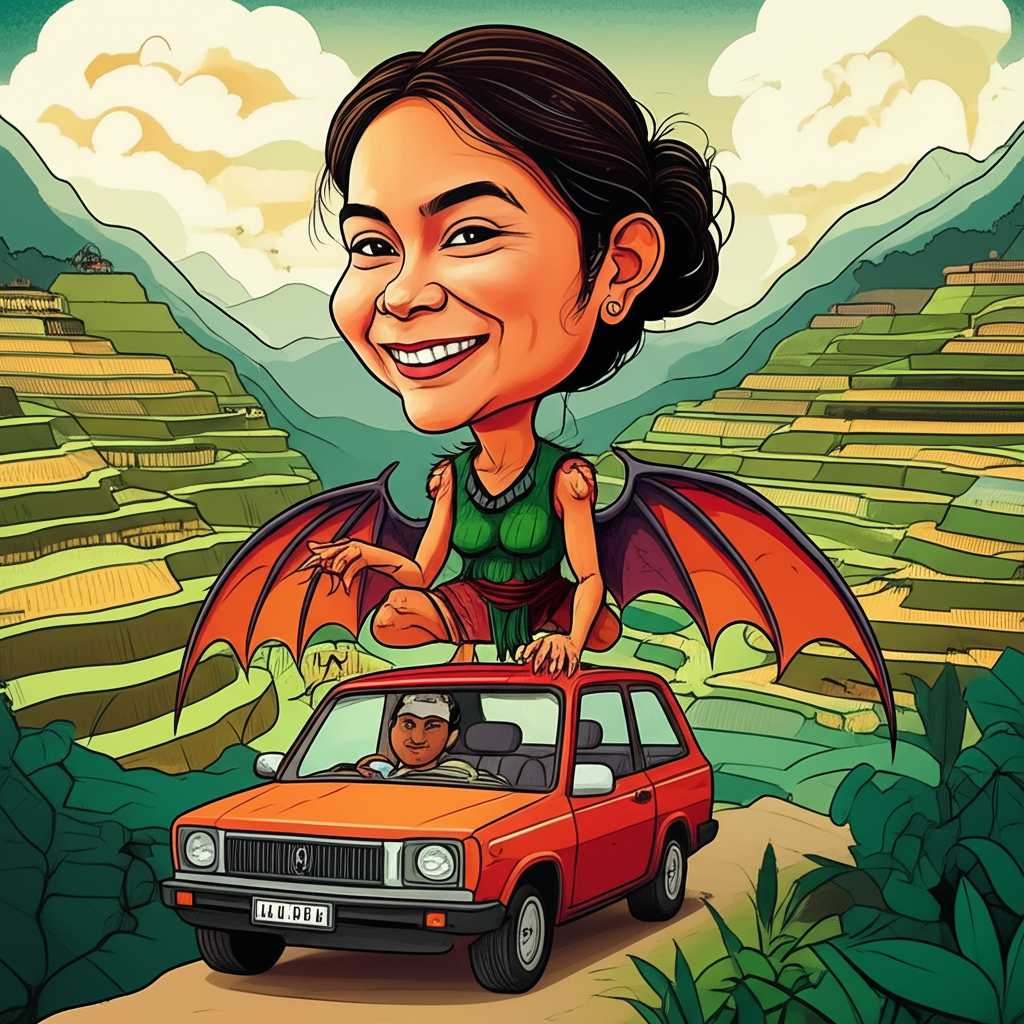
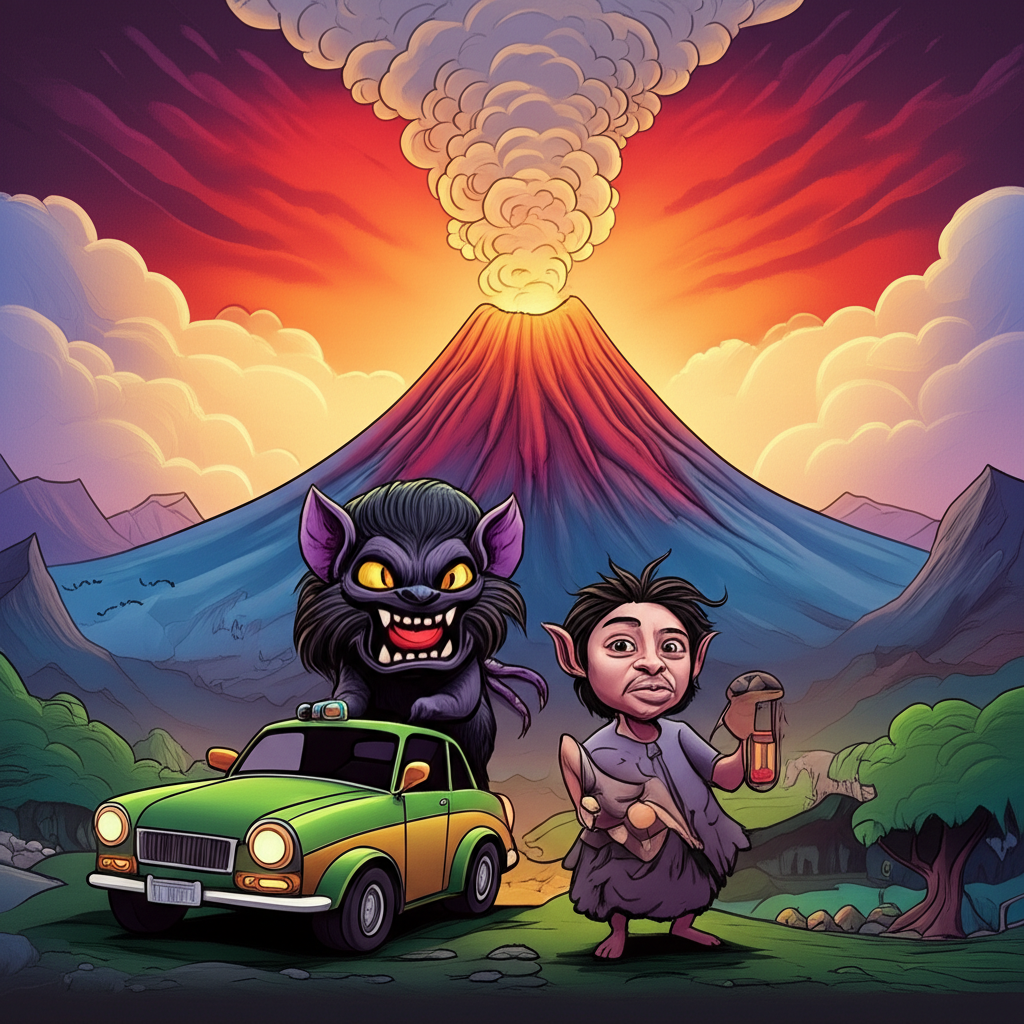
The Aswang is not a single entity, but rather a category of monstrous beings, a shapeshifting creature of Philippine folklore. Its most common depiction is a person who transforms into an animal, usually a dog, pig, or large bird, at night. During the day, it appears as an ordinary human, often blending seamlessly into the community. However, subtle clues are said to betray its true nature: bloodshot eyes, a constantly twitching nose, a preference for solitude, or an aversion to garlic and salt.
Symbolically, the Aswang represents the "other," the outsider who threatens the social order. It embodies the fear of the unknown, the anxieties associated with vulnerability, and the primal terror of being preyed upon. Its ability to shapeshift speaks to the deceptive nature of appearances, reminding people that things are not always what they seem. The Aswang’s craving for human flesh, particularly that of unborn children or the sick, symbolizes the destructive forces that can tear apart families and communities. It is important to remember that these are symbolic interpretations, not literal attributes of a real being.
Main Story / Narrative Retelling: Aswang and the Gate of Dawn
In the small coastal barangay of Maypajo, lived a woman named Elena. She was a weaver, her hands nimble and her heart kind. But as dusk settled, a shadow crept over Maypajo. Animals grew restless, babies cried without ceasing, and the villagers huddled closer to their homes, their eyes darting nervously into the encroaching darkness. For in Maypajo, lived an Aswang.
This Aswang was known as Aling Ising, a seemingly harmless old woman who sold herbal remedies in the market. By day, she offered comfort and healing, but by night, she transformed into a fearsome creature with razor-sharp claws and an insatiable hunger.
One night, as the moon hung heavy in the sky, Aling Ising, in her Aswang form, stalked the edges of the village. She was drawn by the scent of a pregnant woman, Maria, who was due to give birth any day. She crept towards Maria’s stilt house, her eyes glowing with an unholy light.
But as she reached the house, she noticed something different. A faint, golden light emanated from within, bathing the bamboo walls in a warm glow. This was no ordinary light; it pulsed with a protective energy, a barrier against the darkness. It was said to be the "Gate of Dawn," a mystical threshold that appeared whenever a pure soul was about to enter the world, safeguarding it from evil.
Aling Ising hesitated. The Gate of Dawn was a powerful force, capable of repelling even the strongest Aswang. But her hunger was overwhelming, driving her to risk everything. She lunged towards the house, her claws extended, ready to tear through the bamboo.
As she neared the Gate of Dawn, a wave of intense heat washed over her. The light seared her flesh, forcing her to recoil in pain. The transformation began to reverse, and she slowly morphed back into her human form.
The pain was excruciating, but something else was happening too. As the light enveloped her, she felt a strange sensation, a flicker of remorse, a whisper of forgotten humanity. For a brief moment, Aling Ising remembered what it was like to be good, to care for others, to live without the insatiable hunger that had consumed her soul.
The Gate of Dawn held her captive for what seemed like an eternity. Then, as the first rays of sunlight pierced the horizon, the light faded, and Aling Ising was released. She stumbled away, weak and disoriented, her body wracked with pain.
From that day forward, Aling Ising was a changed woman. She never fully recovered from the experience, but the encounter with the Gate of Dawn had left its mark. She still sold herbal remedies in the market, but now, she offered them with genuine compassion. The villagers remained wary of her, but they also noticed a difference in her demeanor. The darkness that had once clouded her eyes was gone, replaced by a glimmer of hope. The Aswang within her was never fully eradicated, but it was subdued, held in check by the memory of the Gate of Dawn.
Symbolism and Meaning:
The story of the Aswang and the Gate of Dawn is rich with symbolism. The Aswang represents the ever-present threat of evil, the darkness that lurks beneath the surface of society. The Gate of Dawn symbolizes hope, purity, and the power of good to overcome evil. The story suggests that even the most corrupted souls can be redeemed, that there is always a chance for redemption, a flicker of light within the darkness. It also reinforces the importance of protecting the innocent and vulnerable, and the power of community to ward off evil. It is a reminder that even in the darkest of times, hope can prevail.
Modern Perspective:
The Aswang continues to be a popular figure in Philippine literature, movies, and video games. Modern interpretations often explore the psychological dimensions of the myth, examining the motivations and inner struggles of the Aswang. Some portray the Aswang as a victim of circumstance, a person cursed to live a life of darkness. Others use the myth to explore themes of social injustice, poverty, and the exploitation of the marginalized. The Aswang has become a powerful metaphor for the dark side of human nature, the potential for evil that exists within us all. In cultural studies, the Aswang myth is used to understand the anxieties and fears of Philippine society, as well as its resilience and capacity for hope.
Conclusion:
The tale of the Aswang and the Gate of Dawn is a product of a rich cultural heritage, a testament to the power of imagination and storytelling. It is a reminder that even in the face of fear and uncertainty, hope can endure. It is a cultural story, nothing more.
As Muslims, we understand that only Allah is the true Creator and Sustainer of the universe. He is the source of all good and the ultimate protector against evil. While we appreciate the cultural significance of these stories, we recognize that they are not a substitute for faith in Allah. This story, like many others, serves as a reminder of the importance of our cultural heritage and the enduring power of storytelling. It encourages us to reflect on the values that are important to us, such as community, compassion, and the triumph of good over evil. We must remember, however, that these are simply stories, imaginative narratives crafted to entertain, educate, and reflect the human condition.