fufufafa
Introduction:
The tapestry of human storytelling is woven with threads of myth and legend, each thread representing a culture’s understanding of the world, its fears, its hopes, and its deepest questions. This narrative delves into the rich folklore of the Slavic peoples, specifically focusing on a complex of interconnected figures: the thunder god Perun, the house spirit known as the Domovoi, and the realm of the dead, Nav. This is a traditional story, a relic of a time when the world was perceived through a lens of animism and spiritual connection to the natural world. It is presented not as a testament of faith, but as a window into the rich imaginative landscape of a bygone era.
Origins and Cultural Background:
The Slavic peoples, originating in Eastern Europe, flourished for centuries, their cultures evolving in close relationship with the land. Their beliefs, before the adoption of Christianity, were polytheistic, characterized by a pantheon of gods and spirits intimately connected to the cycles of nature. This mythic framework took root in a world profoundly shaped by the seasons, the forests, and the vast, often unforgiving, steppes. Life was precarious, dependent on the bounty of the harvest, the safety of the village, and the delicate balance between the seen and unseen realms.
The Slavic worldview was often characterized by a strong sense of duality. Light and dark, good and evil, life and death were seen as interwoven forces in a continuous struggle. The forest was both a source of sustenance and a place of danger. The home, the center of life, was also vulnerable to the influence of unseen forces. It was in this environment, where the boundaries between the human and spirit realms were blurred, that the stories of Perun, the Domovoi, and Nav took hold.
Character / Creature Description:
-
Perun: The supreme god of the Slavic pantheon, Perun was the god of thunder, lightning, and storms. He was a powerful figure, depicted as a warrior-god, often wielding a hammer or axe. Symbolically, Perun represented strength, authority, and the forces of order that battle against chaos. His thunderous voice echoed through the heavens, a constant reminder of his power and the consequences of disobedience. He was associated with the oak tree, representing endurance and resilience.
-
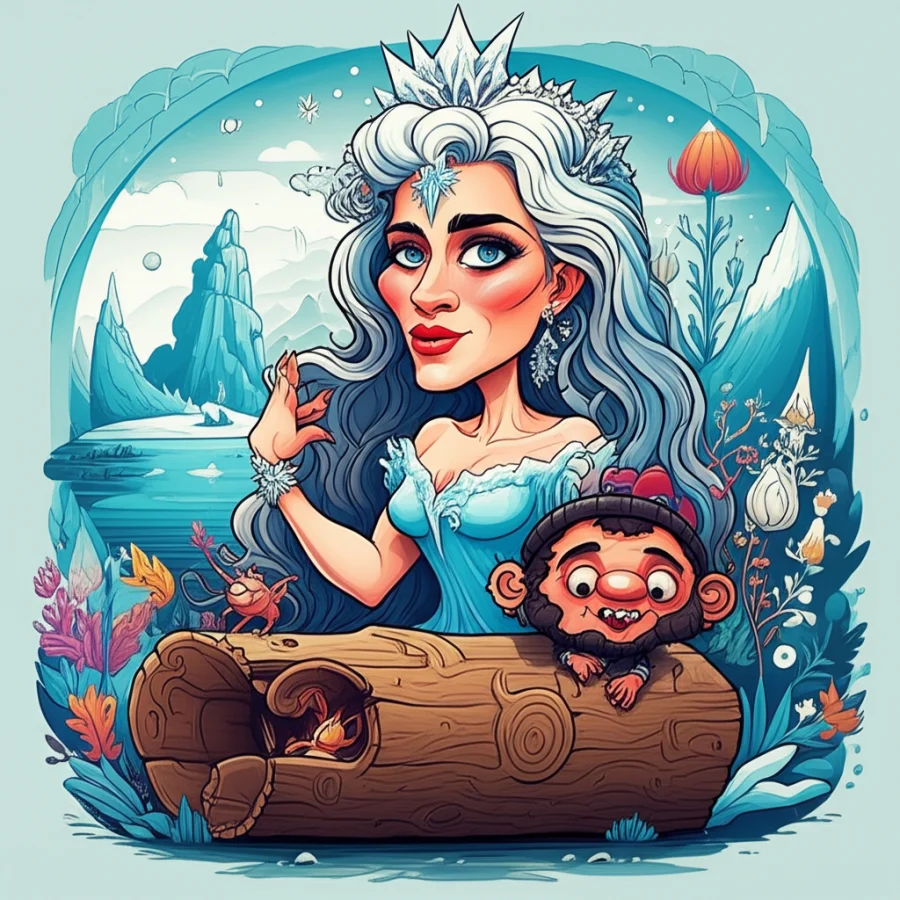
Domovoi: The Domovoi, or "house spirit," was a benevolent (or sometimes mischievous) spirit residing within the home. He was believed to be the guardian of the household, ensuring its prosperity and protecting its inhabitants from harm. Depictions varied, ranging from a small, hairy man to an anthropomorphic version of the home’s previous owner. The Domovoi was often unseen but his presence was felt in the everyday occurrences: the clatter of pots in the night, the inexplicable warmth in the hearth, or the sudden loss of small objects. He symbolized the connection between the family and their home, representing the accumulated memories and shared experiences within its walls.
-
Nav: Nav, also known as the "Otherworld" or the realm of the dead, was the shadowy domain where souls journeyed after death. It was not necessarily a place of punishment, but rather a place of transition. In some interpretations, Nav was a mirror of the living world, where the deceased continued to live a semblance of their earthly existence. Its inhabitants were the souls of the departed, the "navki," who could, under certain circumstances, interact with the living world, sometimes as helpful guides and other times as malevolent spirits. Nav represented the mystery of death, the unknown future that awaited all beings, and the cyclical nature of life and its inevitable ending.
Main Story / Narrative Retelling:
The village of Svetlograd nestled on the edge of a vast forest, a place where the sun, when it broke through the clouds, dappled the earth in gold. The villagers, farmers and craftspeople, lived by the rhythms of the seasons. Their lives were interwoven with the cycles of planting and harvest, the harsh grip of winter, and the rebirth of spring. They knew the signs, the whispers of the wind, the rustle in the leaves that revealed the secrets of the forest.
One year, a particularly harsh winter descended. The snow fell relentlessly, burying Svetlograd under a thick blanket of white. Food stores dwindled, and fear began to creep into the hearts of the villagers. As the blizzards raged, the villagers performed their ancient rituals, hoping to appease Perun, the thunder god. They offered sacrifices, hoping to quell his anger and bring the promise of spring.
As the storms raged, the Domovoi of Svetlograd, a small, wizened figure with a long white beard, stirred within the warmth of each home. He was the protector of the hearth, a guardian of the family. He knew the suffering of the villagers and he used his subtle powers to help. He guided families to hidden stores of food and warned of impending disasters.
However, the winter’s grip remained unrelenting. The villagers began to whisper of Nav, of the realm of the dead, where souls were said to linger during times of great hardship. Some spoke of the Navki, the spirits of the departed, who might be tempted to linger in the land of the living, seeking warmth and nourishment.
One night, a young woman named Anya, whose husband had perished in the previous year’s harvest, dreamed. She dreamed she was walking through a dark forest, the trees skeletal against the moon. She could hear whispers, rustling leaves that seemed to call her name. Eventually, she arrived at a clearing where a fire burned, and faces of her deceased relatives watched her from the shadows. The Domovoi appeared and told her that her deceased husband’s soul was trapped within Nav, tormented by the harshness of the winter. He told her that she had to appease Perun and convince him to melt the snow.
Anya, empowered by the Domovoi’s advice, gathered the remaining villagers. They constructed an effigy of Perun from snow and wood. Under the guidance of the Domovoi, they offered it to the heavens, pleading for mercy. As they offered their prayers, a single bolt of lightning struck the effigy, and the storm shifted. The snow began to soften, and the sun, for the first time in weeks, pierced the clouds.
With the warmth, the souls of the deceased began to return to Nav, and the village, strengthened by hope, saw the promise of a new spring. The Domovoi, once again, was silent.
Symbolism and Meaning:
This story, like many Slavic myths, offers a rich tapestry of symbolism. Perun represents the raw power of nature, both destructive and life-giving. The Domovoi symbolizes the importance of community, family, and the connection to the home. Nav embodies the universal fear of death and the unknown.
The story highlights the Slavic understanding of the world as a place of constant interaction between the seen and unseen realms. The villagers’ actions, their sacrifices, and their appeals to the spirits reflect their reliance on these forces. The tale also emphasizes the importance of balance, of recognizing the duality of nature, and of finding harmony between the living and the dead. The harsh winter represents chaos and hardship, while the return of the sun symbolizes hope, renewal, and the cyclical nature of life. The Domovoi’s role highlights the importance of the family and of the home as a sanctuary.
Modern Perspective:
The echoes of these ancient stories continue to resonate in modern times. In literature, figures like Perun, the Domovoi, and Nav have been reinterpreted in fantasy novels, offering a rich source of inspiration for authors seeking to create complex worlds and compelling characters. In movies and video games, these figures often appear as antagonists, providing a framework for supernatural conflicts and explorations of morality.
Cultural studies delve into the historical and social context of these myths, examining their significance in shaping Slavic culture and identity. The study of folklore allows us to understand the roots of cultural practices, beliefs, and artistic expressions.
Conclusion:
This narrative, a glimpse into the heart of Slavic folklore, serves as a testament to the enduring power of storytelling. It provides a fascinating look into the lives and beliefs of people who looked to the sky for answers, to their homes for comfort, and to the unknown realm beyond for understanding.
We, as Muslims, recognize that only Allah is the true Creator and Sustainer of all things, and that there is no power or divinity besides Him. However, the study of such folklore provides valuable insight into the cultural heritage of humanity. It offers us a chance to explore the imagination and creativity of the people who came before us. By understanding their stories, we gain a deeper appreciation for the diversity of human experience and the enduring power of narrative tradition. The echoes of Perun, the whispers of the Domovoi, and the shadows of Nav continue to inspire, reminding us of the rich tapestry of human history and the timeless appeal of stories that transport us to other worlds.