fufufafa
Introduction
From the depths of Slavic folklore emerge tales of powerful figures, reflections of a world intertwined with nature and the supernatural. Among these figures are Morana, the goddess of winter and death; Vodyanoy, the malevolent water spirit; and the Nav, the restless souls of the dead. These are not deities to be worshipped, but rather characters woven into the rich tapestry of Slavic mythology, traditional stories told by ancient people to explain the world around them and to grapple with the mysteries of life, death, and the forces of nature. We delve into these narratives not as believers, but as students of culture, examining the stories that shaped the imaginations of generations.
Origins and Cultural Background
The myths surrounding Morana, Vodyanoy, and the Nav find their roots in the pre-Christian Slavic cultures that flourished across Eastern Europe. This era was characterized by a close relationship with the natural world. Forests, rivers, and lakes were not just resources, but also dwelling places for spirits and gods. The ancient Slavs were deeply connected to the cycles of the seasons, their lives governed by the rhythms of planting, harvesting, and the harsh winters.
Their worldview was animistic, believing that everything possessed a spirit, from trees and rocks to animals and bodies of water. This animistic perspective shaped their understanding of the world, leading them to create stories that personified natural forces and explained the unseen influences that impacted their lives. They lived in communities where oral tradition was the primary means of passing down knowledge, beliefs, and cultural values. Stories about Morana, Vodyanoy, and the Nav served as both entertainment and moral instruction, shaping the behavior and beliefs of the community. The harshness of their environment and the uncertainties of life contributed to the creation of figures like Morana, a symbol of the inevitable winter and the cycle of death and rebirth.
Character / Creature Description
-
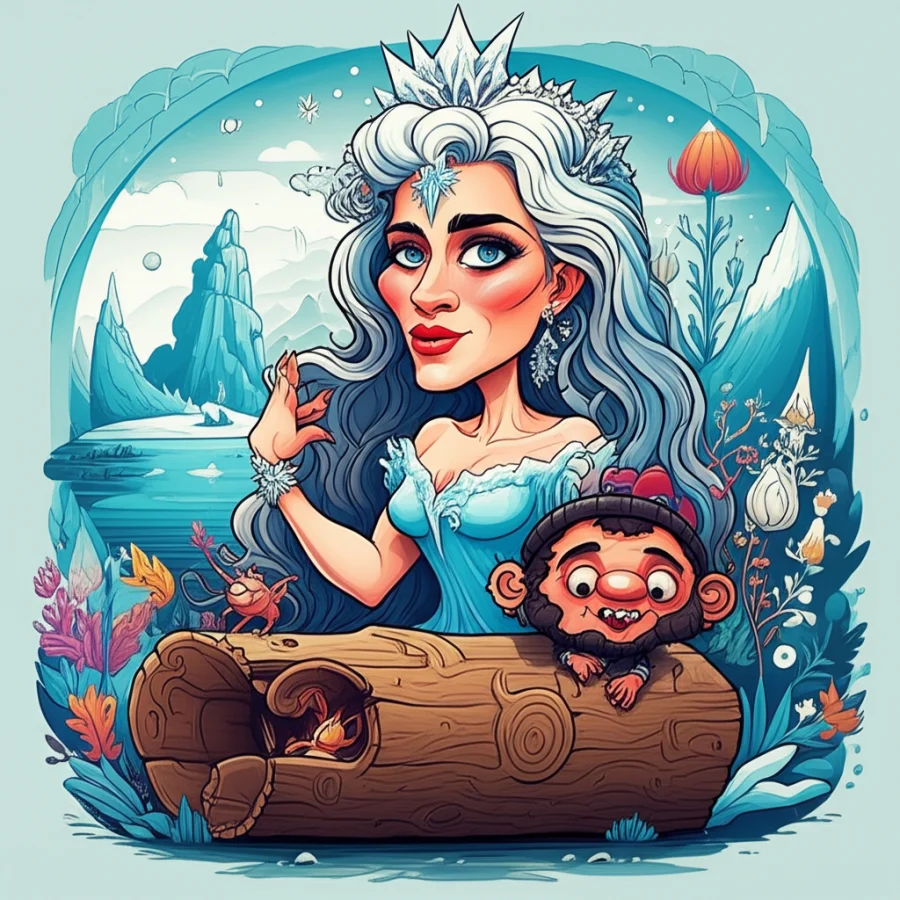
Morana: Often depicted as a pale, gaunt woman dressed in white or black, Morana embodies winter, death, and the end of the harvest. She is not necessarily seen as purely evil, but rather as a necessary force in the cycle of life. Her symbolic attributes include a scythe, representing the cutting off of life, and ice, symbolizing the frozen stillness of winter. The burning or drowning of an effigy of Morana in spring was a common ritual, symbolizing the end of winter and the welcoming of new life.
-
Vodyanoy: A male water spirit, often depicted as an old, naked man with a fish-like tail, green beard, and bulging eyes. He is the master of his watery domain, ruling over fish, drowned souls, and the unpredictable currents. Vodyanoy is generally considered malevolent, responsible for floods, drownings, and damage to watermills. Fishermen and millers would often offer him gifts to appease him, hoping to ensure their safety and success. His symbolic attributes include a fish, a net, and the color green, representing his connection to the water and the hidden dangers within.
-
Nav: The souls of the dead, particularly those who died an unnatural or untimely death. They are often described as shadowy figures, restless and unable to find peace. They can be benevolent, watching over their living relatives, or malevolent, seeking to torment the living. The Nav were believed to inhabit the liminal spaces between worlds, appearing at dusk or in dark, secluded places. Rituals and offerings were performed to appease the Nav and ensure their peaceful transition to the afterlife. They symbolize the fear of death, the unknown, and the importance of honoring ancestors.
Main Story / Narrative Retelling
The villagers of Boryana knew to fear the long nights of winter. As the days grew shorter and the cold deepened, the grip of Morana tightened on the land. The river, once a source of life, now flowed sluggishly, its surface glazed with ice, the domain of Vodyanoy.
Old Elara, the village storyteller, would gather the children around the crackling fire. "Beware the depths," she’d warn, her voice low and grave. "For in the cold, dark waters lurks Vodyanoy, his eyes like glowing embers, his touch as cold as death. He lures the unwary into his watery kingdom, where they become his slaves for eternity."
One year, the winter was particularly harsh. The crops failed, and hunger gnawed at the villagers’ bellies. A young man named Janek, desperate to feed his family, ignored the warnings and ventured out onto the frozen river to fish. The ice cracked beneath his feet, and he plunged into the frigid water.
As Janek struggled, a figure rose from the depths. Vodyanoy, his green beard swaying in the current, reached out his gnarled hand. Janek, weakened and terrified, could only stare into the spirit’s malevolent eyes.
"You trespass on my domain," Vodyanoy rasped. "Now you belong to me."
Janek’s soul joined the ranks of the Nav, the restless spirits trapped between worlds. His family mourned his loss, knowing that he would never find peace.
But Morana’s reign could not last forever. As the days slowly began to lengthen, the villagers prepared for her departure. They crafted an effigy of Morana from straw and rags, dressed it in old clothes, and carried it to the riverbank.
With songs and prayers, they set the effigy ablaze, casting it into the water. The flames danced, consuming Morana’s likeness, symbolizing the end of winter and the promise of spring. As the ice melted and the river flowed freely once more, the villagers felt a renewed sense of hope, knowing that life would return to the land.
Symbolism and Meaning
The story of Morana, Vodyanoy, and the Nav is rich with symbolism. Morana represents the inevitable cycle of death and rebirth, a reminder that even the harshest times will eventually pass. Vodyanoy embodies the unpredictable and dangerous forces of nature, a warning to respect the power of the water and the consequences of recklessness. The Nav represent the fear of death, the importance of honoring ancestors, and the belief that the soul continues to exist after the body perishes.
For the ancient Slavs, these stories served as a way to understand the world around them, to explain the mysteries of life and death, and to teach moral lessons about respecting nature, honoring tradition, and avoiding dangerous behavior. They were not just tales, but a way of life, shaping their beliefs, customs, and social interactions.
Modern Perspective
Today, the myths of Morana, Vodyanoy, and the Nav continue to resonate in popular culture. Morana appears in fantasy literature, often as a powerful ice queen or sorceress. Vodyanoy is a popular figure in video games and movies, often depicted as a terrifying monster lurking in the depths of lakes and rivers. The Nav, or similar concepts of restless spirits, are common tropes in horror stories and paranormal investigations.
In cultural studies, these myths are analyzed as examples of early Slavic beliefs, providing insights into their worldview, social structures, and cultural values. They are also seen as a reminder of the power of storytelling and the enduring appeal of ancient myths.
Conclusion
The tales of Morana, Vodyanoy, and the Nav are echoes from a distant past, remnants of a culture deeply connected to the natural world. They are not deities to be worshipped, but rather characters in a complex and fascinating mythology. As Muslims, we recognize that only Allah is the true Creator and Sustainer of the universe. These stories are part of a cultural heritage, a testament to the power of imagination and the enduring tradition of storytelling. They serve as a reminder of the diverse ways in which humanity has sought to understand the world and grapple with the mysteries of existence. They are a window into the past, offering a glimpse into the beliefs and values of a people who lived in harmony with nature and honored the spirits of their ancestors. This study is undertaken for educational purposes and for understanding different cultures without any intention of believing in or practicing any aspects of it.