fufufafa
Introduction:
The following narrative explores figures from the rich tapestry of Slavic mythology, specifically focusing on Morana, Koschei, and the realm of Nav. These are characters and a place deeply embedded in the folklore of Slavic cultures, particularly those of Eastern Europe. They are figures of myth and legend, passed down through generations in stories, songs, and rituals. It is important to understand that these are traditional narratives, created by ancient people to explain the world around them and to grapple with the mysteries of life and death. This is not a presentation of religious beliefs, but rather an exploration of a cultural heritage expressed through storytelling.
Origins and Cultural Background:
The stories of Morana, Koschei, and Nav originate from the pre-Christian Slavic cultures that inhabited vast territories of Eastern Europe, including present-day Russia, Ukraine, Belarus, Poland, and the Balkan Peninsula. This was a time when the natural world held immense power and influence over people’s lives. The cycles of seasons, the abundance or scarcity of harvests, and the unpredictable forces of nature were directly linked to survival.
The worldview of these ancient Slavs was animistic, meaning they believed that spirits inhabited all things – trees, rivers, mountains, and even the home. These spirits could be benevolent or malevolent, and humans had to appease them through rituals and offerings. The Slavic pantheon was populated with gods and goddesses who personified these natural forces and represented different aspects of human existence. Oral tradition was paramount, and stories were the primary means of transmitting knowledge, history, and cultural values. Myths served to explain the unexplainable, to provide moral guidance, and to connect people to their ancestral past.
Character / Creature Description:
-
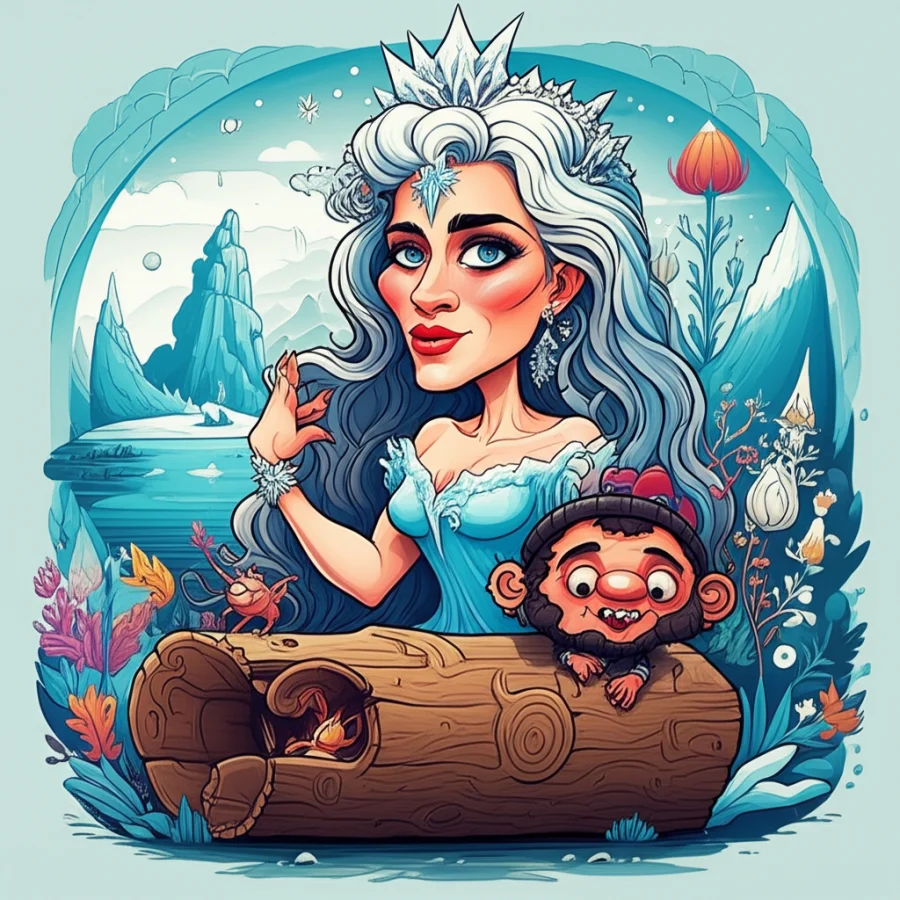
Morana (Marzanna): Often depicted as a goddess or spirit associated with winter, death, and the end of the harvest cycle. Her image is frequently that of a woman, sometimes old and haggard, adorned in dark clothing, and carrying symbols of death like a scythe or withered branches. She represents the dormant period of nature, when life is seemingly extinguished, but also holds the promise of renewal as spring inevitably follows winter. Symbolically, Morana embodies the inevitable end, the acceptance of mortality, and the cyclical nature of existence.
-
Koschei the Deathless (Koschei Bessmertny): A powerful and malevolent sorcerer or king in Slavic folklore. He is typically portrayed as an emaciated, skeletal figure, possessing immense magical abilities and an insatiable desire for power and immortality. The key to Koschei’s immortality is hidden – his death is not within his body, but concealed within a series of nested objects (a needle inside an egg, inside a duck, inside a hare, inside a chest, buried under an oak tree on a distant island). He represents the fear of death, the pursuit of eternal life, and the dangers of unchecked ambition.
-
Nav (Nawia): The realm of the dead in Slavic mythology, often described as a dark and shadowy place. It is not necessarily a place of punishment, but rather a realm where the spirits of the deceased reside. Nav is often envisioned as a mirror image of the living world, but inverted and filled with darkness. Symbolically, Nav represents the unknown after death, the ancestral realm, and the interconnectedness between the living and the departed. It highlights the Slavic belief in the continuing existence of the soul after death.
Main Story / Narrative Retelling:
The wind howled a mournful dirge, whipping snow across the desolate plains. Morana, her face etched with the cold indifference of winter, surveyed her frozen domain. Her breath plumed out as icy vapor, each gust solidifying her grip on the land. Life cowered before her, retreating into the earth, waiting for her reign to end.
Far away, in a fortress built of bone and shadow, Koschei the Deathless plotted. He craved not only power over the living, but dominion over Nav itself. He whispered dark incantations, his skeletal fingers tracing symbols of ancient magic on the walls of his chamber. He sought to break the natural order, to bind death to his will and reign eternally.
One day, a young woman named Vesna (Spring), imbued with the warmth of the sun and the promise of new life, dared to venture into Morana’s realm. She sought to break the winter’s spell and bring forth the blossoming of the world. Koschei, sensing her radiant power, saw her as a means to achieve his goals. He captured Vesna and imprisoned her within his fortress, intending to drain her life force and use it to strengthen his connection to Nav.
A brave hero, a young hunter named Jarilo, driven by love for Vesna and a desire to free his land from Koschei’s tyranny, embarked on a perilous quest. He faced trials of strength and cunning, battling monstrous creatures and outsmarting treacherous spirits. Finally, he reached the oak tree on the distant island, where Koschei’s death was hidden.
With courage and determination, Jarilo retrieved the chest, broke open the hare, freed the duck, cracked the egg, and finally, held the needle in his hand. He snapped the needle, and Koschei, robbed of his immortality, crumbled to dust. Vesna was freed, and her warmth melted Morana’s icy grip. The land awoke from its slumber, and life blossomed anew.
Symbolism and Meaning:
This story, passed down through generations, offered the ancient Slavs a way to understand the cyclical nature of life, death, and rebirth. Morana represented the inevitable end of the growing season, a time of hardship and scarcity. Koschei embodied the fear of death and the dangers of unchecked ambition. His immortality, hidden away, symbolized the futility of trying to escape mortality and the importance of accepting the natural order.
Vesna represented hope, renewal, and the power of life to overcome death. Jarilo, the hero, embodied courage, sacrifice, and the triumph of good over evil. The journey to find Koschei’s death symbolized the challenges and trials that one must face in life, and the importance of perseverance and inner strength.
The story also reflected the ancient Slavs’ understanding of the relationship between the living and the dead. Nav, the realm of the dead, was not necessarily a place of fear, but rather a part of the natural cycle. The connection between the living and the dead was acknowledged and respected, emphasizing the continuity of life beyond the physical realm.
Modern Perspective:
Today, these figures from Slavic mythology continue to inspire artists, writers, and filmmakers. Morana, Koschei, and Nav appear in various forms of media, including literature, movies, video games, and artwork. They are often reinterpreted and adapted to contemporary themes, exploring themes of environmentalism, social justice, and the human condition.
In literature, Koschei often appears as a symbol of tyranny and oppression, while Vesna represents the struggle for freedom and liberation. In video games, Morana might be portrayed as a powerful ice witch, and Koschei as a challenging boss character. These modern interpretations allow audiences to engage with the ancient myths in new and meaningful ways, exploring their enduring relevance and timeless themes.
Conclusion:
The story of Morana, Koschei, and Nav is a testament to the power of storytelling and the enduring legacy of Slavic cultural heritage. These figures are not objects of worship or belief, but rather characters from a traditional narrative that reflects the values, beliefs, and worldview of ancient people.
As Muslims, we recognize that only Allah is the true Creator and Sustainer of the universe. These mythological figures are not divine entities, but rather products of human imagination, reflecting the rich cultural tapestry of our shared human history. Let us appreciate these stories for their artistic merit, their historical significance, and their ability to connect us to our past, while remaining steadfast in our belief in the One God, Allah. The echoes of Morana, Koschei, and Nav serve as a reminder of the power of imagination and the enduring legacy of storytelling traditions across cultures.