fufufafa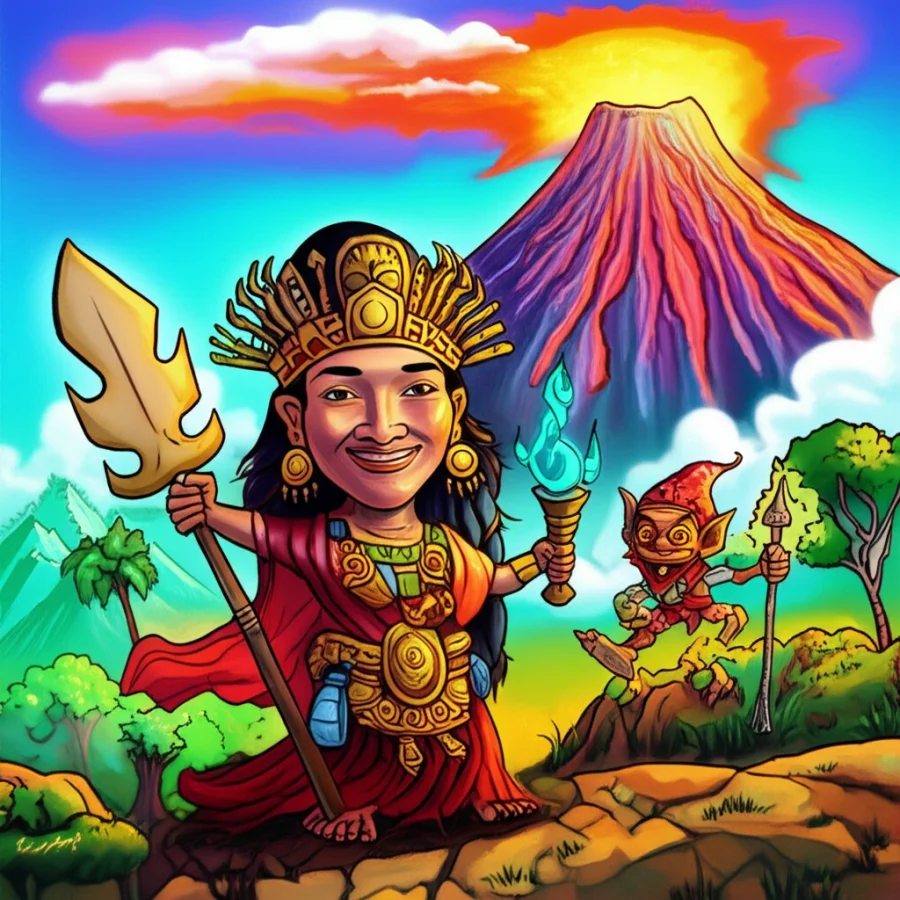
Introduction:
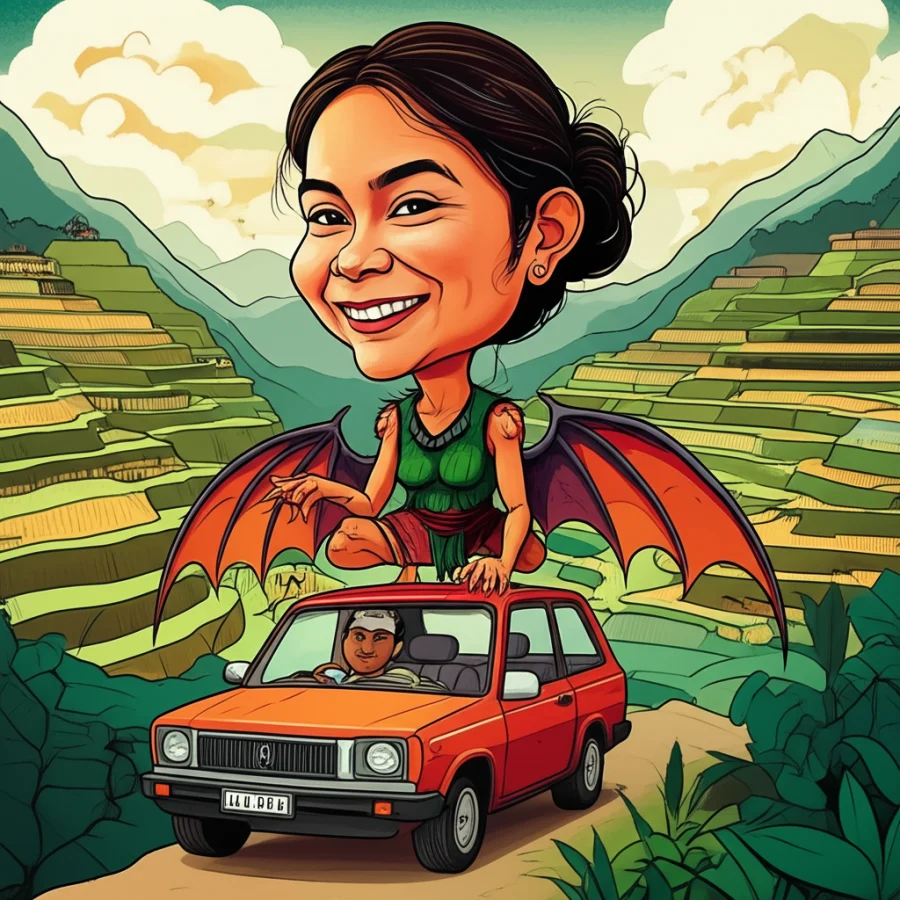
The Philippines, a tapestry woven from countless islands and vibrant cultures, holds within its heart a treasury of ancient stories. These narratives, passed down through generations long before the arrival of writing, paint a vivid picture of the world as seen by the early Filipinos. This is one such story, a glimpse into the folklore of the Bicol region, specifically, a tale whispered amongst the people dwelling in the shadow of the majestic Mayon Volcano. We are about to explore the echoes of a time when the world was alive with unseen beings, a time when the forces of nature held sway over the human heart. It is a story, a traditional account, told not as truth but as a reflection of the beliefs and imagination of the ancestors.
Origins and Cultural Background:
The narrative originates from the pre-colonial era of the Bicol region, a period marked by a deep reverence for the natural world and a complex system of beliefs known as animism. Life revolved around the fertile land, the bounty of the sea, and the unpredictable forces of nature. The towering Mayon Volcano, with its perfect cone, was not just a landmark but a potent symbol, a dwelling place for powerful spirits. Society was organized around small communities, each governed by a chieftain, with intricate social structures and rituals designed to appease the spirits and ensure a harmonious existence. People believed that everything, from the rustling leaves to the crashing waves, possessed a spirit, an anito. These spirits were believed to inhabit the forests, the mountains, the rivers, and even the very air they breathed. They were both benevolent and malevolent, capable of bringing blessings or inflicting misfortune. The babaylan, the spiritual leaders, acted as intermediaries, interpreting the will of the spirits and guiding the community through rituals, prayers, and offerings. Life was a constant negotiation with the unseen world, a dance between the human and the spirit realms.
Character / Creature Description:
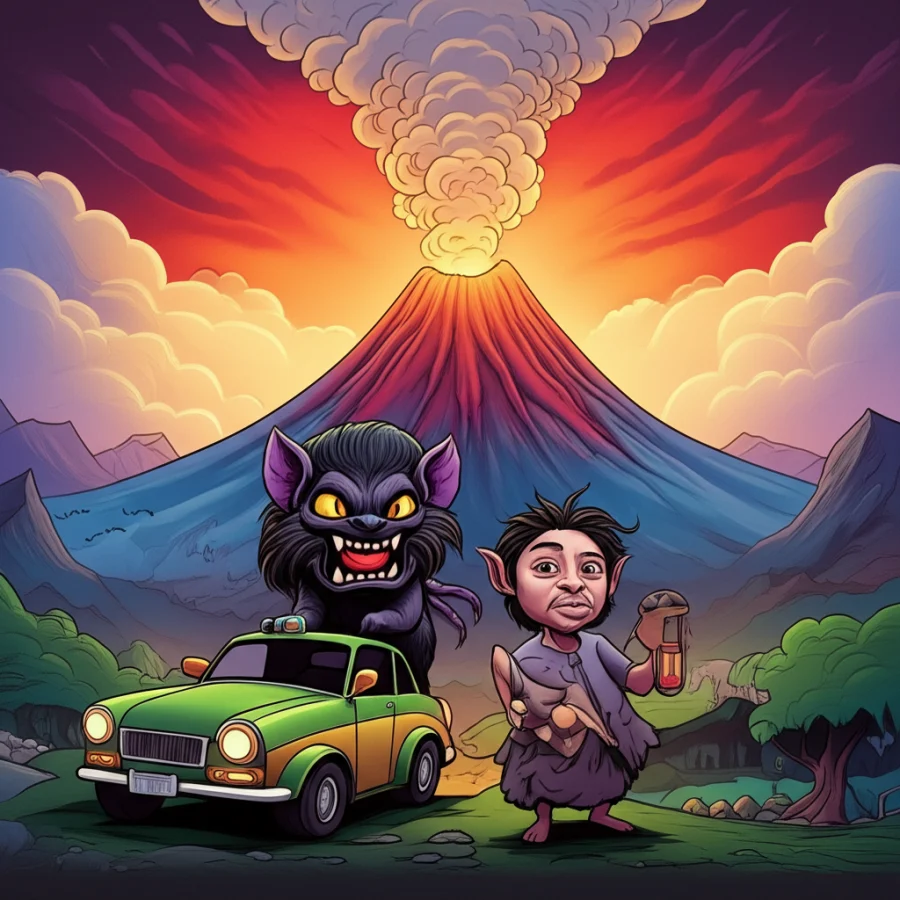
Central to this story are the Duwende, small, often mischievous, creatures of the earth. They are not to be confused with any real creature. They are described as diminutive beings, usually no taller than a child, with skin that could range from earthy browns to the vibrant green of the jungle. Their eyes are said to sparkle with a knowing glint, and their laughter echoes like the tinkling of bells. They are said to dwell in hidden places: beneath the roots of ancient trees, within the crevices of rocks, and, importantly for this tale, within the volcanic slopes of Mayon. The Duwende are not always seen, but their presence is felt. They are believed to be guardians of the natural world, protectors of the forests and the mountains. They can be helpful, offering guidance or assistance, or they can be tricksters, playing pranks on those who disrespect their domain. Their symbolic attributes reflect the connection between humans and the natural world, representing the inherent magic and mystery that the ancestors believed permeated their surroundings. The Duwende also carry the symbolic weight of the unknown, the untamed aspects of nature that were both feared and revered.
Then, there is Anitun Tabu, the legendary deity, a powerful female figure believed to reside within Mayon. She is the spirit of the volcano itself, a force of nature personified. Symbolically, she embodies the volcano’s unpredictable nature – its beauty and its destructive power.
Main Story / Narrative Retelling:
The air in the Bicol region hummed with anticipation. The rice fields, verdant and promising, stretched towards the base of the majestic Mayon. But the mountain, with its perfectly conical peak, was restless. Whispers carried on the wind spoke of tremors, of subtle shifts in the earth, and of an unsettling glow emanating from the volcano’s summit.
In the heart of the volcano, within a hidden cavern veiled in perpetual twilight, lived the Duwende. They were a merry folk, known for their playful nature. They played games amongst themselves, tending to the flora of the volcanic slopes. They were also the messengers and guardians of Anitun Tabu, the goddess of Mayon.
One day, the earth began to rumble more violently. The Duwende, usually lighthearted, grew anxious. Their usually bright eyes were clouded with worry. They knew, as did the people below, that Anitun Tabu was agitated. The smoke that usually curled gracefully from the summit thickened, growing dark and ominous.
A brave young man named Lakan, a hunter known for his respect for the mountain, felt a calling. He sought the guidance of the babaylan, who, after a series of rituals, sent him on a journey to appease Anitun Tabu. He ventured towards the slopes of Mayon, leaving offerings of food and trinkets at the foot of the volcano, hoping to calm the angry goddess.
As Lakan ascended, he heard the faint laughter of the Duwende. They guided him, unseen, through treacherous paths, warning him of the dangers ahead. He felt their presence, a tingling sensation on his skin, a comforting warmth in his heart.
He reached a hidden cave, the entrance guarded by ancient, moss-covered rocks. He was told by the Duwende to enter and to leave an offering. He knew that this was a gateway to the abode of Anitun Tabu.
Inside, the air grew thick with the smell of sulfur and the echoing of the volcano’s heart. Before him, he saw the goddess, a form of fire and smoke.
Lakan, despite his fear, spoke with respect, pleading for the safety of his people. He told Anitun Tabu of their reverence for her, of their gratitude for the land she provided. He offered a beautiful offering of fruit.
After a moment of silence, the goddess softened. She accepted Lakan’s plea, and the tremors began to subside. The smoke from the summit thinned, and a sense of calm descended upon the mountain. Lakan returned to his village, forever marked by his encounter with the goddess and the unseen presence of the Duwende. The volcano calmed, and the people celebrated, their hearts filled with relief and renewed respect for the power of nature.
Symbolism and Meaning:
This story serves as a powerful illustration of the Bicolano people’s relationship with the natural world. Anitun Tabu, the volcano deity, symbolizes the unpredictable forces of nature and the need for reverence and respect. The Duwende, the guardians of the mountain, represent the unseen energies and spirits that were believed to inhabit the world. The story highlights the importance of harmony between humans and the environment. It teaches the importance of humility, respect, and the recognition of the power of forces beyond human control. The offerings made by Lakan and the prayers of his people underscore the value of appeasement, rituals, and the belief that actions have consequences within the spirit world. The narrative also reflects the social structure of the time, the role of the babaylan as intermediaries between the human and spirit realms, and the importance of community in the face of adversity. Ultimately, the story is a cautionary tale about the consequences of disrespecting nature and a celebration of the interconnectedness of all things.
Modern Perspective:
Today, this myth, like many others from the Philippines, is interpreted and reimagined in various forms. The story of Anitun Tabu, the Duwende, and Mayon Volcano continues to be retold in literature, poetry, and art. The myth is a source of inspiration for writers and artists who explore themes of nature, spirituality, and cultural identity. The story can also be found in modern movies and video games. Cultural studies scholars analyze the myth to understand the beliefs, values, and social structures of pre-colonial Filipino societies. This myth helps to teach children about the heritage of the region, and to preserve it for future generations.
Conclusion:
The tale of Anitun Tabu and the Duwende is a cultural treasure, a testament to the imagination and storytelling traditions of the Bicolano people. It is a story, not a creed, a glimpse into the past, not a demand for belief. As Muslims, we acknowledge that only Allah, the Most High, is the true Creator and Sustainer of all things. We recognize the beauty and complexity of human cultures, while adhering to the core tenets of our faith. We believe in the power of storytelling to connect us to our heritage, to ignite our imaginations, and to remind us of the rich tapestry of human experience. This is a story to be shared, discussed, and remembered, a reminder of the echoes that resonate from the heart of the past, offering us insights into the human spirit and its enduring connection to the world around us.