fufufafa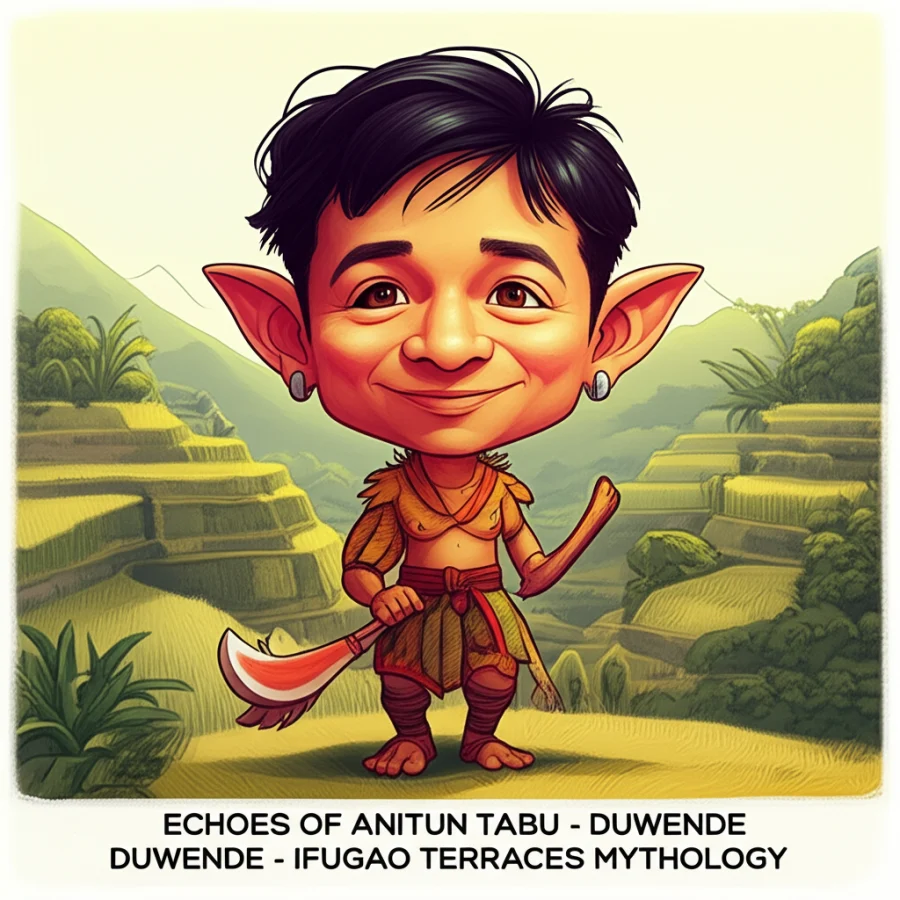
Introduction:
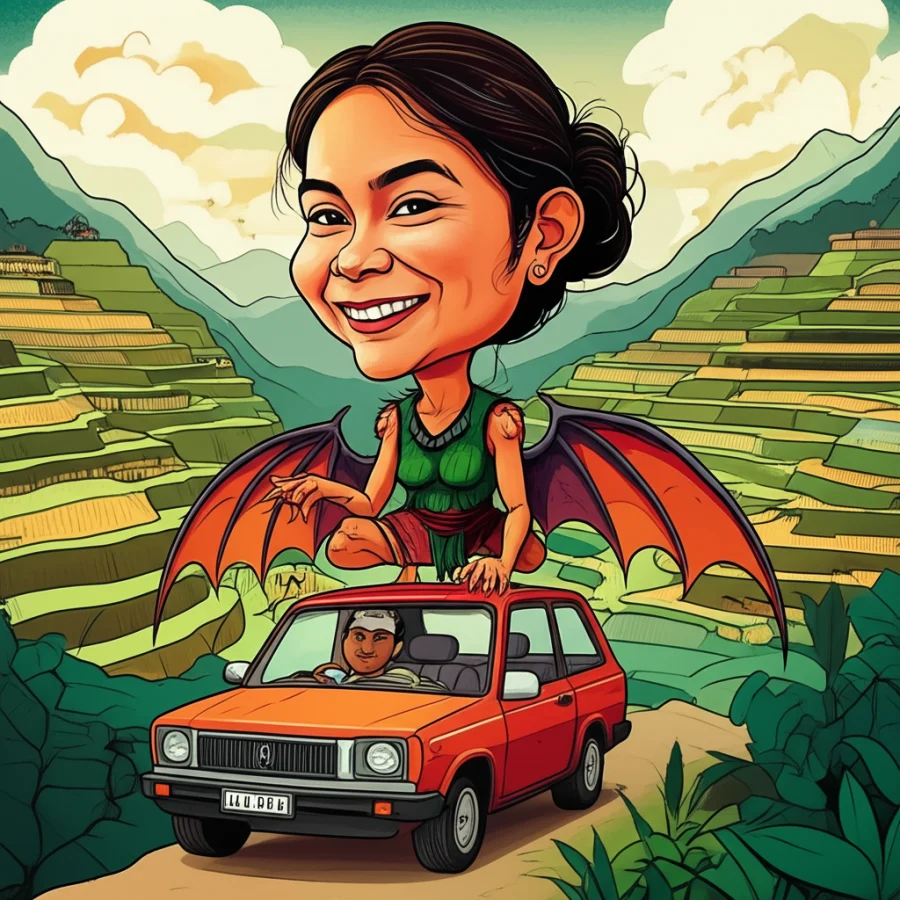
Deep within the verdant heart of the Philippine Cordillera mountains, where the rice terraces of the Ifugao people cascade down the slopes like a stairway to the sky, echoes a tapestry woven from myth and legend. This is a story from the ancient people of the Ifugao, passed down through generations around crackling fires, a narrative as rich and fertile as the land itself. We delve now into the realm of Anitun Tabu, a powerful spirit in the Ifugao animistic belief system, and her connection to the duwende, diminutive creatures said to dwell among us. This is a story, a cultural artifact, a glimpse into the minds of those who came before. It is not a truth to be worshipped, but a story to be understood.
Origins and Cultural Background:
The story of Anitun Tabu and the duwende originates from the pre-colonial Ifugao society, a culture deeply intertwined with the rhythms of nature. Life revolved around the meticulously crafted rice terraces, a testament to the community’s ingenuity and unwavering connection to the land. Agriculture, particularly rice cultivation, was not merely a means of sustenance; it was a sacred practice, infused with ritual and respect for the spirits. The Ifugao believed in an unseen world, populated by a pantheon of deities and spirits, collectively known as anito. These spirits resided in natural elements like mountains, rivers, trees, and even the carefully constructed terraces themselves.
Their worldview was animistic, meaning they attributed spirits to natural phenomena and objects. Everything possessed a spirit, a vital force, that could be benevolent or malevolent, depending on the respect and offerings given. The welfare of the community was inextricably linked to maintaining harmony with these spirits. Rituals, prayers, and sacrifices were common practices, designed to appease the anito and ensure a bountiful harvest, protection from harm, and the overall well-being of the village. The duwende, in this context, were seen as lesser spirits, dwelling in the shadows, guardians of the earth, and often associated with the rice fields and surrounding forests.
Character / Creature Description:
Anitun Tabu was, in the Ifugao tradition, a powerful and sometimes fearsome female spirit, associated with the sun and the moon. She was a deity of great influence, capable of both blessing and cursing. Depictions of her were rare, as the Ifugao preferred to venerate her through ritual and story rather than physical representation. Her power was often invoked in matters of fertility, harvest, and protection.
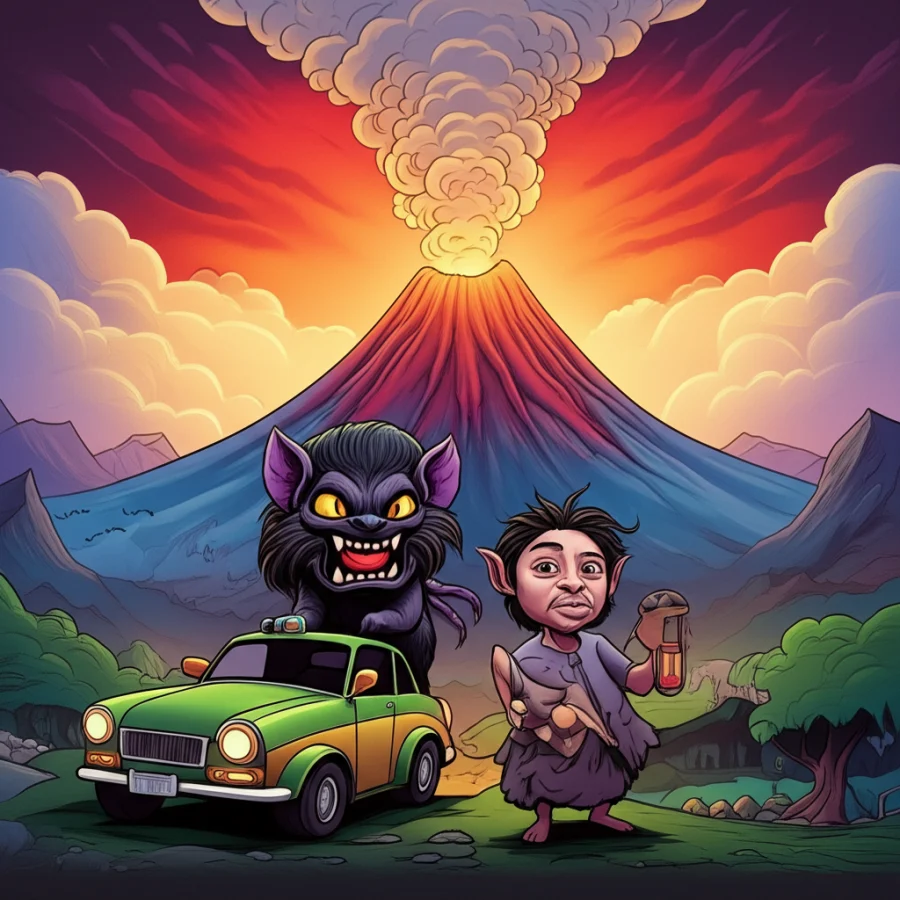
The duwende, on the other hand, were described as small, often childlike beings. Their appearance varied, but they were generally portrayed as having features resembling humans, often with disproportionate heads and limbs. They were said to inhabit the earth, dwelling in the roots of trees, inside caves, and amongst the intricate stonework of the rice terraces. Their personalities were as diverse as their forms – some were mischievous, playing tricks on unsuspecting humans; others were helpful, assisting with the growth of crops and protecting the land from harm. Their presence was often felt, rather than seen, in the rustling of leaves, the whispering wind, or the sudden, inexplicable appearance of a lost object. It’s important to remember that these attributes are symbolic, not factual descriptions. They are a reflection of the environment and the values held by the Ifugao.
Main Story / Narrative Retelling:
The story begins in a time when the Ifugao people were still learning the secrets of the rice terraces. They toiled endlessly, carving the mountainside, their backs aching under the relentless sun. The harvest, however, was often unpredictable, and the villagers constantly struggled with drought, pests, and the capricious whims of nature.
One day, as the sun blazed overhead, Anitun Tabu descended from the heavens, her radiant form casting a golden glow upon the terraces. She surveyed the scene, her gaze piercing through the labor and hardship of the Ifugao. She saw the dedication, the resilience, and the unwavering connection they held with the land. Moved by their efforts, she decided to bestow a gift.
Calling forth the duwende, the earth spirits, Anitun Tabu instructed them to watch over the Ifugao and their precious rice fields. She charged them with protecting the crops from harm, ensuring the flow of water, and assisting in the growth of the rice.
The duwende, in their own whimsical way, accepted their task. Some, with their playful nature, would hide the tools of the farmers, only to return them later with a mischievous giggle. Others would whisper secrets to the wind, guiding the rain clouds towards the parched terraces. Some would work tirelessly at night, repairing the terraces and clearing the fields of pests while the villagers slept.
The Ifugao, though unaware of the duwende’s direct intervention, began to notice a change. Their harvests became more abundant. The terraces seemed to withstand the storms with greater resilience. Their community thrived. They attributed their good fortune to their own hard work, the blessings of Anitun Tabu, and the reverence they showed the land.
However, the duwende had a strict rule: they could only help those who showed respect to the land and to each other. Those who were lazy, selfish, or disregarded the environment faced the duwende’s wrath. Their crops would fail, their tools would vanish, and misfortune would befall them. Thus, the story of Anitun Tabu and the duwende became a moral tale, reinforcing the importance of community, hard work, and respect for the environment.
Symbolism and Meaning:
The story of Anitun Tabu and the duwende is rich in symbolism. Anitun Tabu represents the power of nature and the divine feminine, highlighting the importance of cosmic forces in the lives of the Ifugao. The duwende symbolize the unseen forces that nurture and protect the land, and the delicate balance between human actions and environmental consequences.
The narrative reinforces the importance of community and cooperation, as the Ifugao’s success is linked to their collective efforts and shared respect for the spirits. It underscores the value of hard work, perseverance, and ethical behavior. The tale also serves as a warning against greed, laziness, and disrespect for the environment, highlighting the consequences of actions that disrupt the harmonious relationship between humans and the natural world. This is not about the literal existence of deities and spirits, but about a culture’s values and worldview.
Modern Perspective:
Today, the myth of Anitun Tabu and the duwende continues to resonate, not as a literal belief, but as a powerful cultural symbol. It’s a recurring theme in Philippine literature, films, and video games, often used to explore themes of environmentalism, community, and the importance of preserving cultural heritage. The story reminds people of their connection to the land and the need to protect it.
In cultural studies, the myth is analyzed as a window into the pre-colonial Ifugao society, revealing their beliefs, values, and practices. It offers insights into their understanding of the world, their relationship with nature, and their social structures. The duwende have become a part of Philippine pop culture, but their original significance is to be honored.
Conclusion:
This is the story of Anitun Tabu and the duwende, a tale that echoes through the Ifugao terraces, a cultural narrative, a window into the past. We have explored the symbols, the meanings, and the historical context of this ancient belief, not as a faith to be embraced, but as a cultural artifact to be understood.
As Muslims, we recognize that the true Creator and Sustainer is Allah, the one God, and we find solace and guidance in the Quran and the teachings of Prophet Muhammad (peace be upon him). However, the human imagination, the power of storytelling, and the rich tapestry of cultural heritage are to be cherished. This tale, like countless others, is a testament to the creativity of the human spirit, the enduring power of narrative, and the importance of understanding the diverse cultures that enrich our world. It is a reminder of the beauty that lies within human creativity and the value of passing down stories that shaped the world for many.