
 fufufafa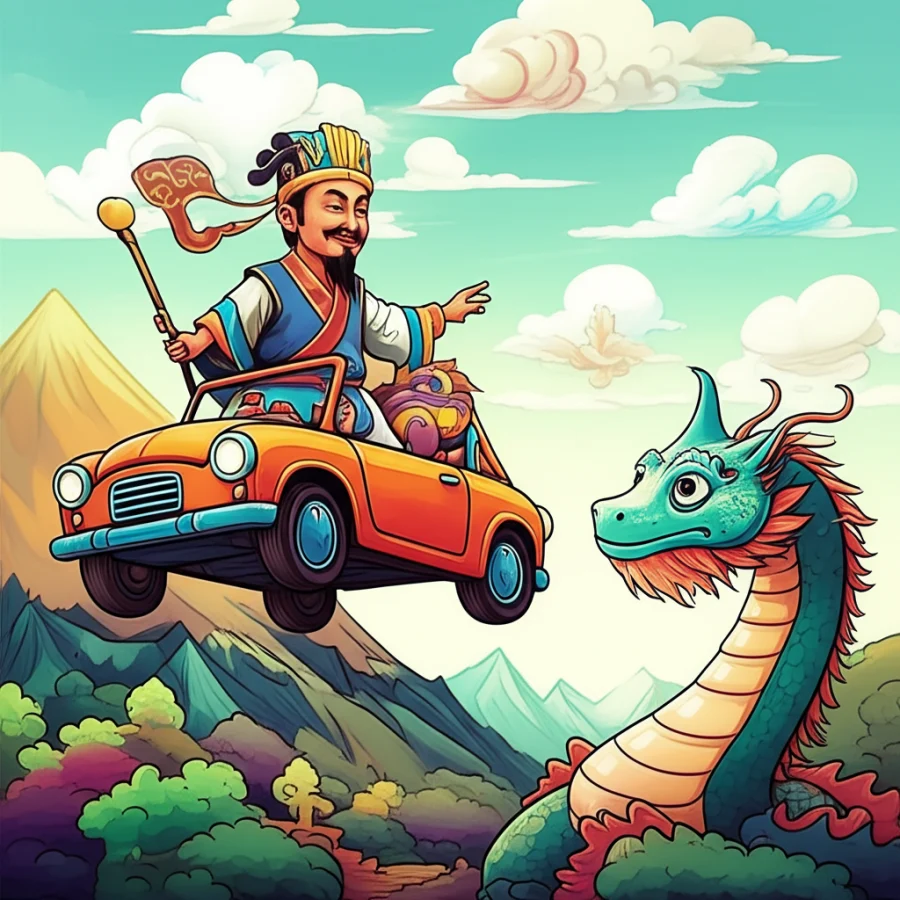
Introduction:
The Korean peninsula, a land of striking mountains and rugged coastlines, is steeped in a rich tapestry of myths and legends. Among the most enduring of these tales are those surrounding Hwanung, the Imugi, and the sacred Mount Baekdu (also known as Paektu Mountain). These stories, passed down through generations, offer a glimpse into the beliefs and values of the ancient people who shaped Korean culture. It is crucial to understand that these are traditional stories, crafted and shared by our ancestors to explain the world around them and instill cultural values, and not meant to be taken as literal truth. As Muslims, we acknowledge that Allah alone is the Creator and Sustainer of all that exists.
Origins and Cultural Background:
The myths surrounding Hwanung, the Imugi, and Mount Baekdu are deeply rooted in the ancient history of the Korean peninsula, particularly during the Gojoseon period (traditionally dated from 2333 BCE). This era represents the formative stages of Korean civilization, characterized by the development of agriculture, early forms of social organization, and the emergence of shamanistic beliefs. The people of Gojoseon lived in close proximity to nature, their lives heavily influenced by the rhythms of the seasons and the unpredictable forces of the natural world.
In this context, mountains like Mount Baekdu held immense significance. They were not merely geographical features but were considered sacred spaces, dwelling places of spirits and sources of life-giving water. The world was perceived as being populated by a myriad of spirits and deities, each possessing unique powers and influencing human affairs. Shamans acted as intermediaries between the human and spirit realms, performing rituals and offering sacrifices to appease the gods and ensure the well-being of the community. Myths served as a way to make sense of the world, explain natural phenomena, and transmit cultural values from one generation to the next. These stories often reflected the hopes, fears, and aspirations of the people, providing a framework for understanding their place in the universe.
Character / Creature Description:
-
Hwanung: In Korean mythology, Hwanung is not a god in the Abrahamic sense, but a heavenly prince, the son of Hwanin, the Lord of Heaven. He represents divine authority and a connection to the celestial realm. He is often depicted as a benevolent figure who descends to Earth to bring civilization and prosperity to humanity. Symbolically, Hwanung represents the ideal ruler – wise, compassionate, and capable of guiding his people towards a better future.
-
Imugi: The Imugi is a large, serpentine creature in Korean folklore, often described as a proto-dragon or a dragon-to-be. Unlike fully formed dragons, Imugi are usually wingless and lack the full power associated with dragons. The Imugi symbolizes potential, transformation, and the arduous journey towards enlightenment or achieving one’s full potential. The Imugi’s struggle to become a dragon resonates with the human experience of striving for greatness and overcoming obstacles.
-
Mount Baekdu: This majestic mountain, with its volcanic crater lake Cheonji ("Heaven Lake") at its summit, is considered the most sacred mountain in Korea. It symbolizes national identity, spiritual power, and the source of life. Mount Baekdu is believed to be the birthplace of the Korean people and is often invoked in nationalistic and patriotic contexts.
Main Story / Narrative Retelling:
Long, long ago, in the celestial realm, Hwanin, the Lord of Heaven, gazed down upon the world of humans. His son, Hwanung, pleaded with him to be allowed to descend to Earth and bring civilization to the struggling mortals. Moved by his son’s compassion, Hwanin granted his wish, bestowing upon him three heavenly seals and commanding him to rule over the world.
Hwanung, accompanied by three thousand followers, descended from the heavens onto Mount Taebaek, now known as Mount Baekdu. There, beneath the ancient trees and overlooking the shimmering Cheonji Lake, he established his sacred city, Shinsi. He appointed his ministers of wind, rain, and clouds to oversee the elements and ensure the prosperity of the land.
One day, a bear and a tiger approached Hwanung, begging to be transformed into humans. Hwanung, testing their resolve, gave them twenty cloves of garlic and a bundle of mugwort, instructing them to eat only these sacred foods and avoid sunlight for one hundred days. The tiger, impatient and unable to endure the restrictions, soon abandoned the task. The bear, however, persevered. After twenty-one days, the bear transformed into a beautiful woman named Ungnyeo.
Ungnyeo, grateful to Hwanung, prayed for a child. Moved by her sincerity, Hwanung transformed himself into human form and married her. Soon after, she gave birth to a son, Dangun, who would become the legendary founder of Gojoseon, the first Korean kingdom.
Centuries passed, and the legend of the Imugi arose. In the depths of rivers and lakes, Imugi writhed, yearning to ascend to the heavens and transform into fully formed dragons. One such Imugi dwelled in the waters surrounding Mount Baekdu. It was said that only those Imugi who proved their worthiness could make the transformation. This required patience, wisdom, and the accumulation of virtuous deeds. Some tales whispered of specific rituals or trials that an Imugi had to undergo, often involving protecting humans from harm or performing acts of selflessness. The Imugi of Mount Baekdu was said to have watched over the sacred mountain for centuries, guarding its spiritual power and awaiting its moment of transformation.
Symbolism and Meaning:
The Hwanung myth symbolizes the divine origin of Korean civilization and the concept of the ideal ruler bringing order and prosperity to the world. The story of the bear and the tiger represents the potential for transformation and the importance of perseverance and discipline in achieving one’s goals.
The Imugi myth, on the other hand, embodies the themes of potential, transformation, and the arduous journey towards self-improvement. It reflects the human desire to overcome limitations and achieve greatness. The Imugi’s struggle to become a dragon serves as a metaphor for the challenges and obstacles that individuals face in their pursuit of enlightenment or success.
Mount Baekdu, as the sacred mountain, symbolizes national identity, spiritual power, and the source of life. It represents the connection between the Korean people and their ancestral homeland, as well as the enduring spirit of the nation.
Modern Perspective:
The myths of Hwanung, the Imugi, and Mount Baekdu continue to resonate in modern Korean culture. They are frequently referenced in literature, movies, television dramas, and video games. The Imugi, in particular, has become a popular figure in fantasy genres, often portrayed as a powerful and mysterious creature with the potential for both good and evil.
In cultural studies, these myths are analyzed as expressions of Korean national identity, cultural values, and historical consciousness. They provide insights into the beliefs and worldview of the ancient people who shaped Korean civilization and continue to influence contemporary Korean society. Furthermore, these tales are used in educational settings to teach younger generations about their cultural heritage and the importance of preserving their traditions.
Conclusion:
The stories of Hwanung, the Imugi, and Mount Baekdu are enduring examples of Korean mythology and folklore. They offer a glimpse into the beliefs, values, and worldview of the ancient people who shaped Korean culture. It is essential to remember that these are traditional stories, crafted and shared by our ancestors to explain the world around them and instill cultural values. As Muslims, we acknowledge that Allah alone is the Creator and Sustainer of all that exists.
These myths are not meant to be taken as literal truth but rather as cultural expressions of human imagination and the desire to understand the world. They remind us of the power of storytelling to transmit cultural knowledge, inspire creativity, and connect us to our shared human heritage. They stand as a testament to the rich tapestry of human imagination and the enduring power of storytelling across cultures and generations. These stories, while not to be believed, offer a glimpse into the past and help us appreciate the diverse ways in which humans have sought to understand their place in the universe.







