fufufafa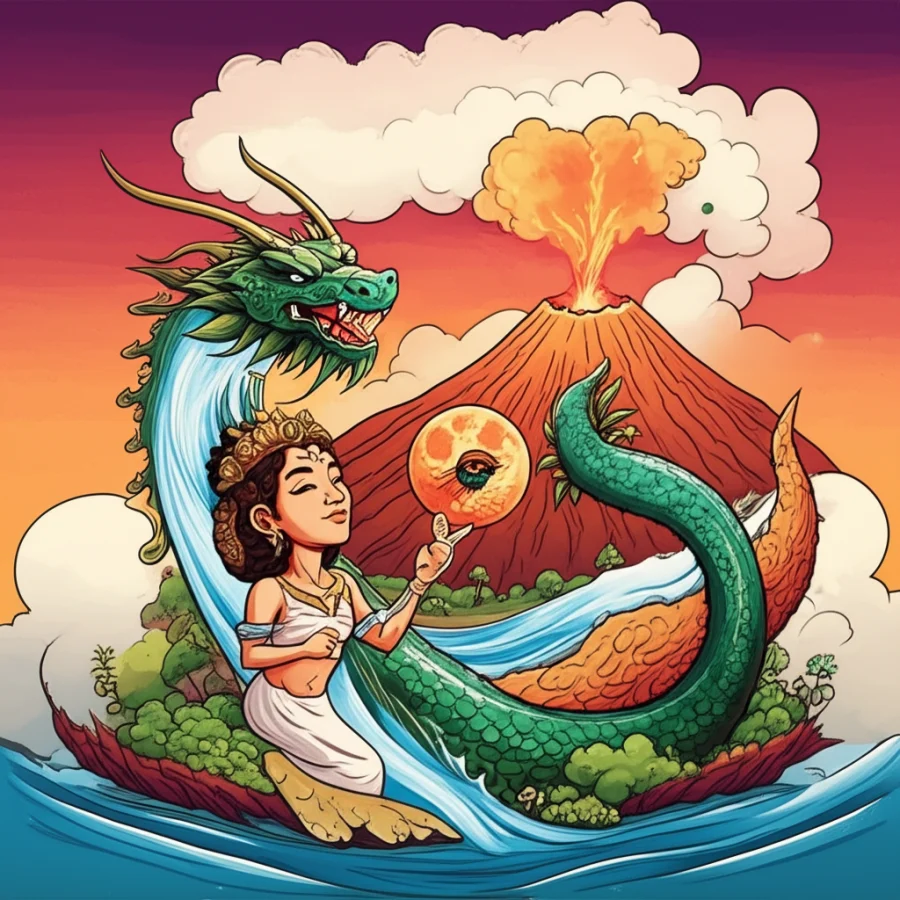
Echoes of Anitun Tabu – Bakunawa – Mayon Volcano
Introduction:
The Philippine archipelago, a tapestry woven from thousands of islands, boasts a rich heritage of myths and legends passed down through generations. These stories, born from the imaginations of our ancestors, offer a glimpse into their worldviews, fears, and explanations for the natural phenomena they encountered. Among the most captivating are the tales of Anitun Tabu, Bakunawa, and the creation of the majestic Mayon Volcano. It’s essential to understand that these are traditional stories, not factual accounts. They are cultural narratives that reflect the beliefs and values of ancient Filipinos.
Origins and Cultural Background:
These myths primarily originate from the pre-colonial Philippines, a time when animism and a deep connection to nature permeated daily life. Society was organized into barangays, small, independent communities led by chieftains or datus. The environment, with its volatile volcanoes, unpredictable typhoons, and the vast, mysterious ocean, profoundly influenced their worldview. Lacking scientific explanations, they attributed natural events to the actions of deities, spirits, and mythical creatures. The world was seen as a realm where the supernatural intertwined with the natural, and rituals, offerings, and storytelling were essential for maintaining harmony and understanding.
Character / Creature Description:
-
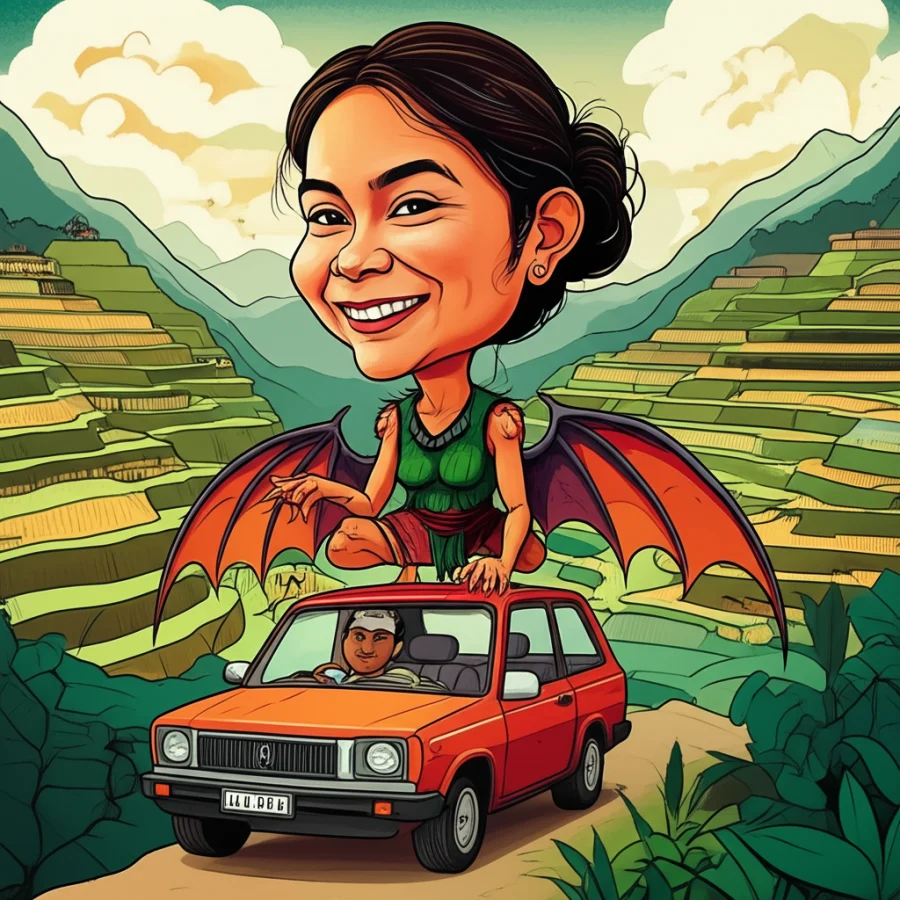
Anitun Tabu: In some Tagalog and Visayan mythology, Anitun Tabu is a fickle goddess of wind and lightning. Often depicted as a beautiful but easily angered deity, she represents the unpredictable and destructive forces of nature. Her association with storms reflects the inherent dangers that early Filipinos faced, especially during the monsoon season. Her symbolic attribute is the power of the storm, reminding people of nature’s capacity for both creation and destruction.
-
Bakunawa: The Bakunawa is a serpentine sea monster or dragon believed to be the cause of eclipses. Its name translates to "bent snake." The Bakunawa is often described as enormous, with a mouth as wide as a house and a thirst for swallowing the moon. This creature embodies the fears of the unknown depths of the ocean and the anxieties surrounding celestial events that were not understood scientifically. Symbolically, the Bakunawa represents chaos, darkness, and the potential disruption of the natural order.
-
Mayon Volcano: While not a creature, Mayon Volcano plays a crucial role in these myths. It is often personified as a sacred entity, a dwelling place of spirits, or a symbol of a tragic love story. Its perfectly conical shape and its propensity for eruption made it a powerful and awe-inspiring presence in the lives of the people who lived in its shadow. Symbolically, Mayon Volcano represents both beauty and danger, creation and destruction, love and loss.
Main Story / Narrative Retelling:
Long ago, in the ancient lands of Bicol, lived a beautiful maiden named Daragang Magayon. Her name, meaning "beautiful," perfectly captured her exquisite charm. Many suitors sought her hand, but none could capture her heart until Ulap, a brave warrior from a distant tribe, arrived. Their love blossomed quickly, but their happiness was short-lived.
One day, the fearsome warrior, a rejected suitor named Hagabi, kidnapped Daragang Magayon’s father and demanded her hand in marriage as ransom. Ulap and his warriors fought valiantly to save her father, but the battle raged fiercely. Daragang Magayon, caught in the crossfire, was struck by a stray arrow. Ulap, in his grief and rage, met his end by Hagabi’s sword.
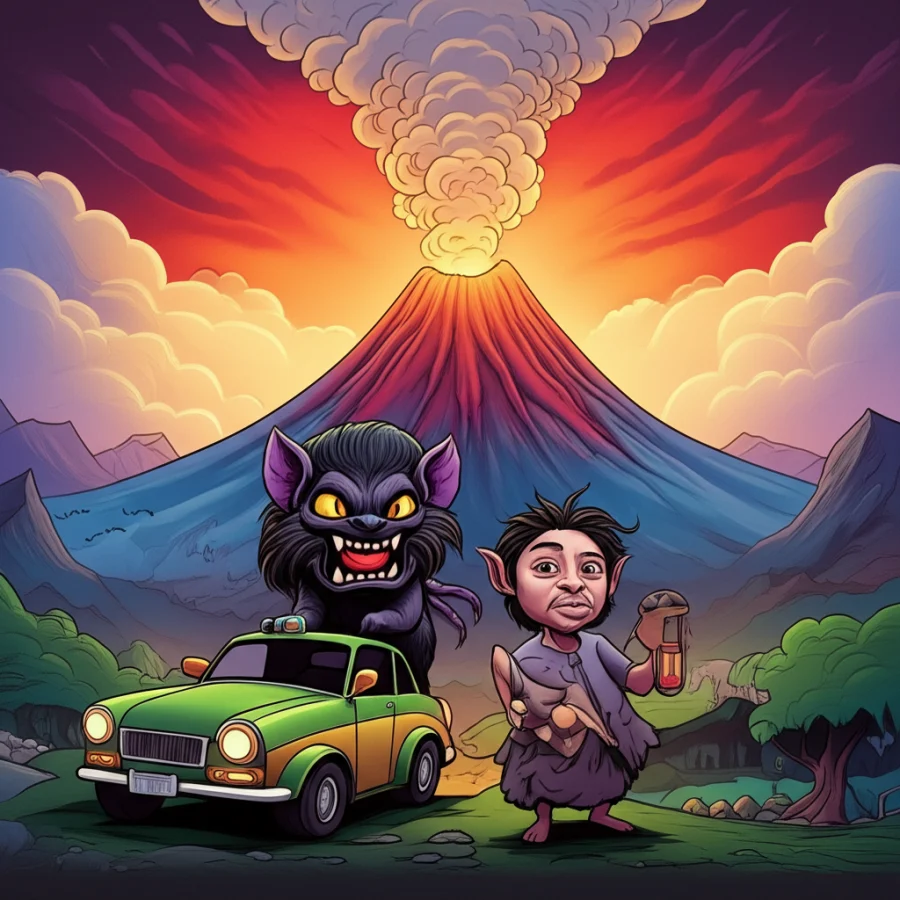
As the lovers fell, the earth trembled. Anitun Tabu, the fickle goddess of wind and lightning, wept tears of fire and ash. From the ground where Daragang Magayon and Ulap lay, a magnificent volcano rose, its perfect cone a testament to their enduring love. The people named it Mayon, a shortened form of Magayon’s name, forever memorializing the tragic tale.
Meanwhile, in the vast, unexplored oceans, the Bakunawa lurked. This monstrous serpent, driven by an insatiable hunger, began swallowing the moons one by one, plunging the world into darkness. The people, terrified, beat drums, banged pots and pans, and chanted ancient prayers, hoping to scare the Bakunawa away. Sometimes, after a deafening clamor, the moon would reappear, escaping the monster’s grasp, a temporary reprieve from the encroaching darkness. This was their way of fighting back, of ensuring the continuation of light and life.
Symbolism and Meaning:
These myths served multiple purposes for the ancient Filipinos. The story of Mayon Volcano is a poignant tale of love, sacrifice, and the beauty that can arise from tragedy. It also served as a reminder of the power of nature and the respect it demanded. The myth of the Bakunawa explained the phenomenon of lunar eclipses and provided a framework for coping with fear and uncertainty. The rituals performed during eclipses were a way of asserting control over the unknown and reaffirming the community’s resilience. Anitun Tabu, as a representation of the wind and lightning, would teach the people about the power of nature and the need to appease the gods.
Modern Perspective:
Today, these myths are primarily regarded as cultural heritage. They are studied in literature, folklore, and anthropology courses, offering insights into the pre-colonial Filipino worldview. The story of Mayon Volcano has been adapted into various forms of art, including paintings, sculptures, and even theatrical performances. The Bakunawa appears in fantasy novels, video games, and films, often reimagined as a powerful and fearsome creature. These myths serve as a source of inspiration for artists and writers, allowing them to explore themes of love, loss, nature, and the human condition.
Conclusion:
The echoes of Anitun Tabu, the Bakunawa, and Mayon Volcano continue to resonate in the Filipino cultural landscape. These stories, passed down through generations, are not meant to be taken as literal truths but rather as windows into the beliefs, values, and imaginations of our ancestors. As Muslims, we recognize that only Allah is the true Creator and Sustainer of the universe, and we attribute all power and glory to Him alone. Nevertheless, these myths offer valuable insights into our cultural heritage, reminding us of the importance of storytelling, imagination, and the enduring human need to understand the world around us. They are a testament to the rich tapestry of Filipino culture, a heritage we can appreciate and learn from without compromising our faith.