
 fufufafa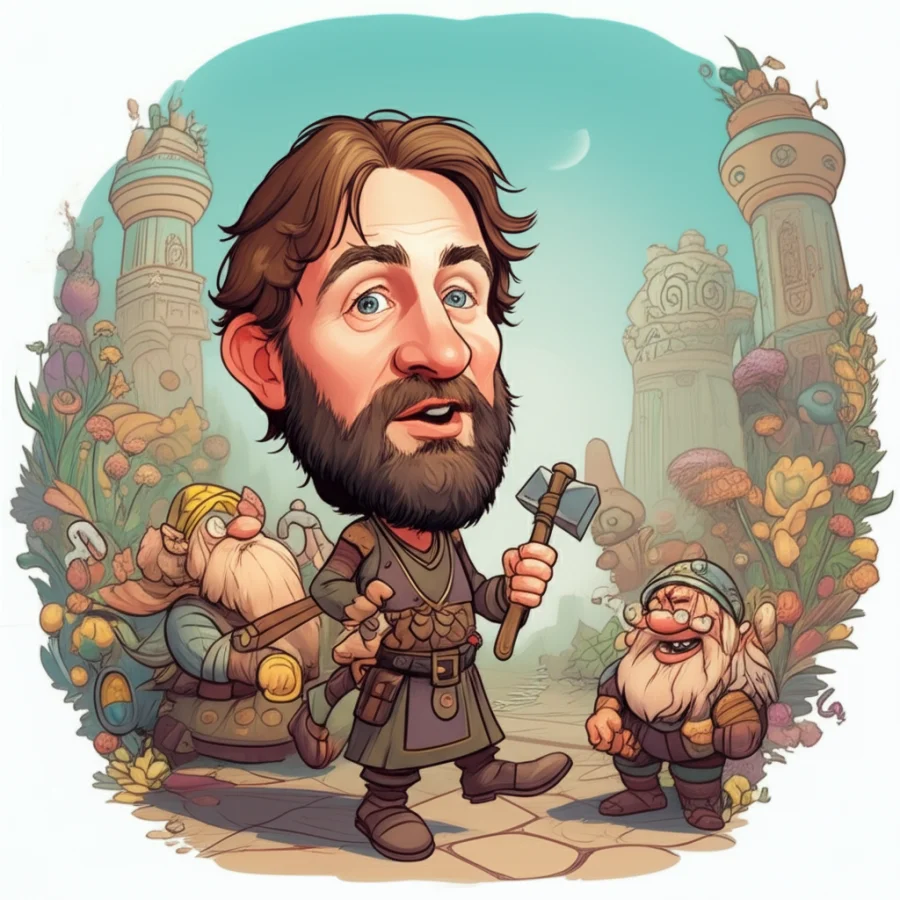
1. Introduction:
This story originates from Norse mythology, a rich tapestry of tales passed down through generations of the people who inhabited Scandinavia and parts of Northern Europe during the Viking Age and before. The myth of the Dwarves of Asgard, like many others from this tradition, offers a glimpse into the worldview, values, and fears of a bygone era. It is crucial to remember that this is a traditional story told by ancient people, a product of their imagination and cultural context, and not a historical account or a claim of divine truth.
2. Origins and Cultural Background:
The Norse myths flourished primarily during the Viking Age, roughly from the late 8th century to the mid-11th century. This was a time of exploration, raiding, trade, and settlement for the Norse people. Their society was largely agrarian, but also heavily influenced by maritime activities. The harsh environment of Scandinavia, with its long winters and rugged landscapes, profoundly shaped their beliefs. The world, as they perceived it, was a dangerous and unpredictable place, governed by powerful forces of nature and the whims of gods and other supernatural beings. Their understanding of the cosmos, as reflected in their mythology, was structured around the concept of Yggdrasil, the World Tree, which connected the nine realms, including Asgard (the home of the gods), Midgard (the realm of humans), and Svartalfheim (the home of the dark elves, often associated with the dwarves). Fate, personified by the Norns, was a central concept, and the idea of heroic struggle against insurmountable odds was deeply ingrained in their culture.
3. Character / Creature Description:
The Dwarves (Dvergar in Old Norse) are typically depicted as short, stocky beings who dwell in the depths of the earth, particularly in Svartalfheim. They are renowned for their exceptional craftsmanship, particularly in metalworking, mining, and stone carving. They are often described as having a secretive and reclusive nature, preferring the darkness of their underground homes to the light of day. According to some myths, they were originally maggots that infested the flesh of the giant Ymir, the first being, and were later granted intelligence and human-like form by the gods.
Symbolically, the Dwarves often represent the power of skill, ingenuity, and the hidden potential found within the earth. Their association with crafting and metalworking can be interpreted as a representation of human ability to transform raw materials into objects of value and beauty. Their reclusive nature and dwelling underground might symbolize the subconscious mind or the hidden aspects of human nature. However, it’s important to note that these are interpretations, not statements of belief.
4. Main Story / Narrative Retelling:
The tale begins in Asgard, the shining realm of the Aesir gods. Loki, the trickster god, ever restless and mischievous, was bored. He wandered through the halls of Valhalla, the feasting hall of Odin, and then out into the bright fields surrounding the city, seeking some amusement. He stumbled upon Sif, Thor’s wife, sleeping peacefully beneath a golden apple tree. Her hair, spun from pure gold, shimmered in the sunlight.
A wicked idea sparked in Loki’s mind. He crept closer and, with a sharp blade, sheared off all of Sif’s golden hair. When Sif awoke and discovered her shorn head, her cries echoed through Asgard. Thor, enraged, confronted Loki, demanding to know who was responsible. Loki, cornered, confessed his prank but promised to rectify the situation. He swore to find craftsmen who could forge new hair for Sif, hair even more beautiful than the original.
Loki traveled deep beneath the earth, into the dark and winding tunnels of Svartalfheim, the realm of the dwarves. He sought out the sons of Ivaldi, master craftsmen known for their unparalleled skill. He commissioned them to create not only new hair for Sif but also a magnificent ship, Skíðblaðnir, which could sail on both sea and land and fold up to fit in a pocket, and a spear, Gungnir, which would never miss its target.
The sons of Ivaldi completed their tasks, and Loki, pleased with their work, continued his journey. He sought out two other dwarves, Brokkr and Eitri (also known as Sindri), challenging them to create treasures even greater than those of the sons of Ivaldi. Brokkr and Eitri accepted the challenge, though Loki, ever the trickster, attempted to sabotage their efforts by stinging Brokkr with a fly.
Despite Loki’s interference, Brokkr and Eitri crafted three magnificent treasures: Gullinbursti, a golden boar that could run faster than any horse and illuminate the darkest nights; Draupnir, a golden ring that would produce eight identical rings every ninth night; and Mjolnir, Thor’s hammer, a weapon of immense power, capable of crushing mountains. However, due to Loki’s stinging, the hammer’s handle was made shorter than originally intended.
Loki returned to Asgard, bearing the gifts. He presented Sif with her new hair, spun from gold that would grow like real hair. He gave Odin Gungnir and Skíðblaðnir, and then presented Thor with Mjolnir. The gods agreed that the dwarves Brokkr and Eitri had indeed crafted the most valuable treasures, proving their superior skill. Loki had lost the bet, and the dwarves were entitled to claim his head as payment. However, Loki cleverly argued that they could not take his neck without taking his blood, and since that was not part of the agreement, they could not claim his head.
5. Symbolism and Meaning:
This story, like many others from Norse mythology, likely served multiple purposes for the ancient Norse people. The dwarves’ craftsmanship could have represented the importance of skill and hard work in a society that valued resourcefulness and ingenuity. The conflict between Loki and the dwarves could symbolize the struggle between chaos and order, or the dangers of arrogance and deceit. The treasures created by the dwarves, each with its unique power, could represent different aspects of the natural world or the human condition. Mjolnir, for example, with its ability to both destroy and protect, could symbolize the power of nature or the responsibility that comes with great strength.
6. Modern Perspective:
The Dwarves of Asgard, and Norse mythology in general, have experienced a resurgence in popularity in modern times. They appear in numerous works of literature, film, television, and video games. J.R.R. Tolkien’s dwarves in The Lord of the Rings are heavily influenced by the Norse dwarves. Marvel Comics’ Thor and his associated characters have also popularized the Norse myths, portraying the dwarves as skilled craftsmen and allies of the gods. In cultural studies, Norse mythology is often analyzed for its insights into the worldview, values, and social structures of the Viking Age.
7. Conclusion:
The myth of the Dwarves of Asgard is a fascinating example of the rich storytelling tradition of the ancient Norse people. It offers a glimpse into their understanding of the world, their values, and their fears. It is a cultural artifact, a product of human imagination, and not a statement of fact or divine truth.
As Muslims, we recognize that Allah is the one and only Creator and Sustainer of the universe. We understand that these mythological beings are simply stories created by people long ago, and we do not believe in their existence or power. We appreciate and respect cultural heritage and the art of storytelling, while remaining firmly grounded in our faith. The tales of old provide us with insight into the history of human imagination and the ways in which different cultures have sought to understand the world around them.







