fufufafa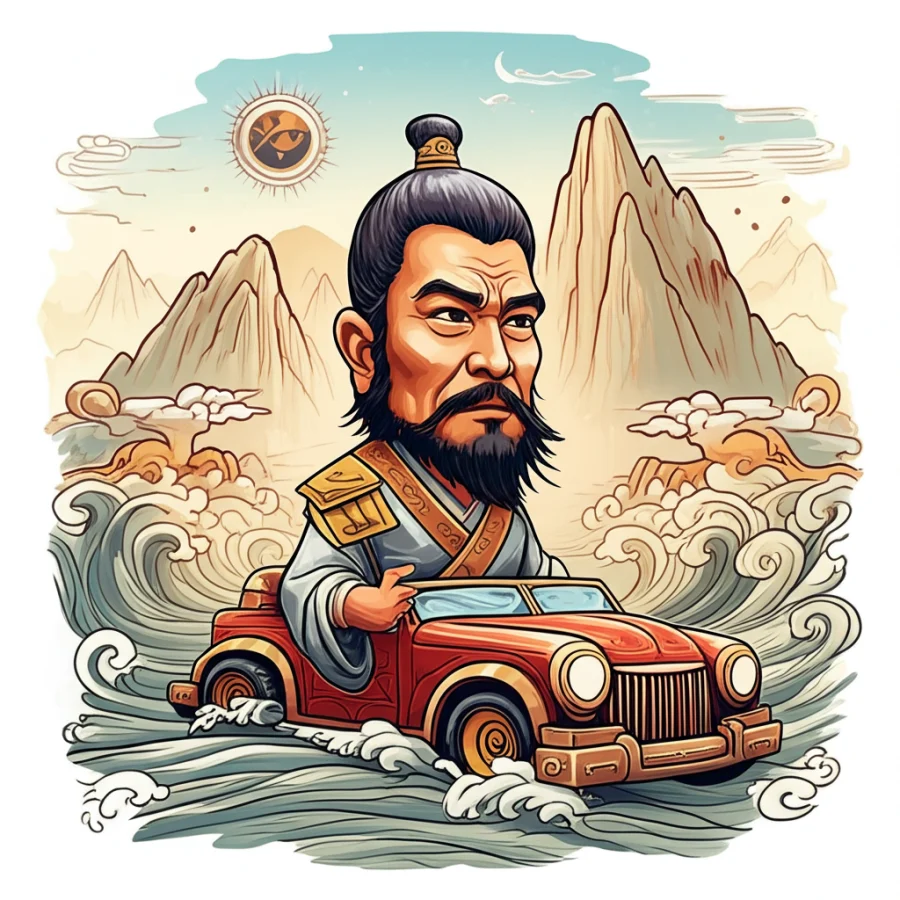
Introduction:
The tale of the Flood of Gun and Yu is a cornerstone of ancient Chinese mythology, a narrative passed down through generations, etched into the cultural memory of a civilization that blossomed along the fertile river valleys of the East. This is not a story meant to be taken as literal truth, nor is it a call to worship or adherence. Instead, it’s a window into the minds of the people who first told it, a glimpse into their world, their fears, and their hopes, woven into a vibrant tapestry of storytelling. We explore this ancient narrative solely for the purpose of understanding a fascinating piece of cultural heritage.
Origins and Cultural Background:
This myth originates from ancient China, specifically the era of the legendary emperors and the Xia Dynasty, a period shrouded in the mists of prehistory. During this time, the Chinese people lived in a world profoundly shaped by the forces of nature. Their lives were intrinsically linked to the land, the rivers, and the weather. The Yellow River, known as the "Mother River," and the Yangtze River were vital for agriculture, transportation, and sustenance. However, these rivers, and the heavens above, were also capable of devastating floods and droughts, events that could wipe out entire communities.
This era witnessed the emergence of early agricultural practices, the formation of villages, and the beginnings of organized societies. The people held animistic beliefs, seeing spirits and deities residing within nature itself. They sought to understand and appease these forces through rituals, sacrifices, and divination. The cosmos was viewed as a structured system governed by powerful beings, including gods, goddesses, and mythical creatures. They explained the world through elaborate narratives, believing that these stories held the key to understanding the natural order, the origins of the world, and their place within it.
Character / Creature Description:
The central figures in this myth are Gun and his son, Yu.
-
Gun: Gun, often depicted as a heroic figure, is tasked with stopping the devastating flood. He is portrayed as strong, resourceful, and ultimately, flawed. His defining characteristic is his determination and willingness to face the impossible. He is often associated with the earth and with the mountains, representing the initial attempts to control the flood through the building of dams and dikes.
-
Yu: Yu, Gun’s son, is also known as Yu the Great. He inherits his father’s mission after Gun’s failure and is seen as the more successful and wise leader. Yu is often depicted as a diligent and dedicated individual. He is renowned for his engineering skills, his dedication to the people, and his ability to work with the elements. He is associated with water and is often depicted with tools for dredging rivers and canals. His success is attributed to his strategic approach, working with the water rather than trying to completely contain it.
Main Story / Narrative Retelling:
Long ago, in the mists of time, the land of ancient China was plagued by a catastrophic flood. The waters of the rivers swelled, overflowing their banks and engulfing the fertile valleys. Homes were swept away, crops were ruined, and the people faced starvation and death. The mythical Emperor Yao, ruler of the land, sought a solution to this unprecedented disaster.
He turned to Gun, a powerful and capable individual, and tasked him with stopping the flood. Gun, driven by a deep desire to help his people, sought a divine substance known as Xirang (self-regenerating earth), capable of absorbing and containing water. This sacred earth was guarded by the Heavenly Emperor. Gun, in an act of desperation, stole the Xirang from the heavens. He used this magical earth to build dikes and dams, hoping to contain the raging waters.
However, Gun’s efforts were ultimately in vain. The floodwaters continued to rise, and his dams crumbled under the immense pressure. Gun’s methods of control proved ineffective, and the flood continued to ravage the land. As punishment for stealing the sacred earth, the Heavenly Emperor had Gun executed.
After Gun’s death, his son, Yu, was born from his father’s corpse. Yu inherited the daunting task of controlling the flood. Unlike his father, Yu adopted a different approach. He understood that simply trying to contain the water was futile. Instead, he chose to guide the water, dredging rivers and canals, and channeling the floodwaters into the sea.
Yu worked tirelessly for thirteen years, traversing the land, surveying the landscape, and directing the flow of the waters. He was dedicated to his task, sacrificing his own comfort and well-being. Legend tells of him passing his own home three times without entering, so focused was he on his work. He understood the rhythm of the rivers, the power of the mountains, and the importance of working in harmony with nature.
Through his hard work, dedication, and wisdom, Yu finally succeeded in taming the flood. The waters receded, the land dried, and the people were able to return to their homes. Yu became a hero, revered for his wisdom, his leadership, and his selfless dedication to the well-being of his people. He was chosen to be the next emperor, and his reign ushered in an era of peace and prosperity.
Symbolism and Meaning:
The Flood of Gun and Yu is rich with symbolism. The flood itself represents chaos, destruction, and the overwhelming power of nature. Gun’s failure symbolizes the limitations of brute force and the futility of attempting to control nature through force alone. His act of stealing the Xirang could be seen as a transgression, a disregard for the established order.
Yu’s success, on the other hand, embodies wisdom, perseverance, and the importance of understanding and adapting to the natural world. His approach of guiding the water represents a deeper understanding of natural principles and the value of working in harmony with nature. His dedication and selfless service represent the qualities of a good leader – a ruler who prioritizes the welfare of the people above his own personal gain.
The story likely reflected the ancient people’s struggle to control the devastating floods that plagued their lives. It may have served as a cautionary tale, warning against hubris and promoting the values of humility, hard work, and respect for nature. It provided an explanation for the origins of the world and their place in it.
Modern Perspective:
The myth of the Flood of Gun and Yu continues to resonate today. It is widely referenced in Chinese literature, art, and popular culture. It is a recurring theme in movies, video games, and novels, often reimagined with modern settings and themes. The story serves as a powerful metaphor for environmental conservation, the importance of sustainable practices, and the need for humanity to understand and respect the delicate balance of nature.
The story has also been explored in academic contexts, particularly within cultural studies and historical research. Scholars study the story’s evolution through different dynasties, examining how its meaning shifted and adapted across the centuries. It provides insight into the values and beliefs of the ancient Chinese civilization.
Conclusion:
The tale of the Flood of Gun and Yu is a captivating example of the rich storytelling tradition of ancient China. It offers a glimpse into the minds of those who lived long ago, their fears, their aspirations, and their attempts to understand the world around them. Remember, this narrative is not a declaration of faith but a testament to the power of human imagination and the enduring appeal of myth.
As Muslims, we firmly believe that Allah is the one true Creator, the source of all existence, and the ultimate controller of all things. We recognize that the stories of Gun and Yu, like all myths, are reflections of human experience and cultural heritage, not divine revelations.
The beauty of this story lies in its ability to transport us to a different time and place, to spark our imaginations, and to remind us of the enduring power of storytelling. It encourages us to appreciate the richness and diversity of human cultures and the enduring human spirit of exploration and discovery. The story invites us to celebrate the legacy of creativity and the importance of preserving the wisdom of our ancestors. It is a reminder of the power of art, imagination, and the enduring human quest for meaning and understanding.