fufufafa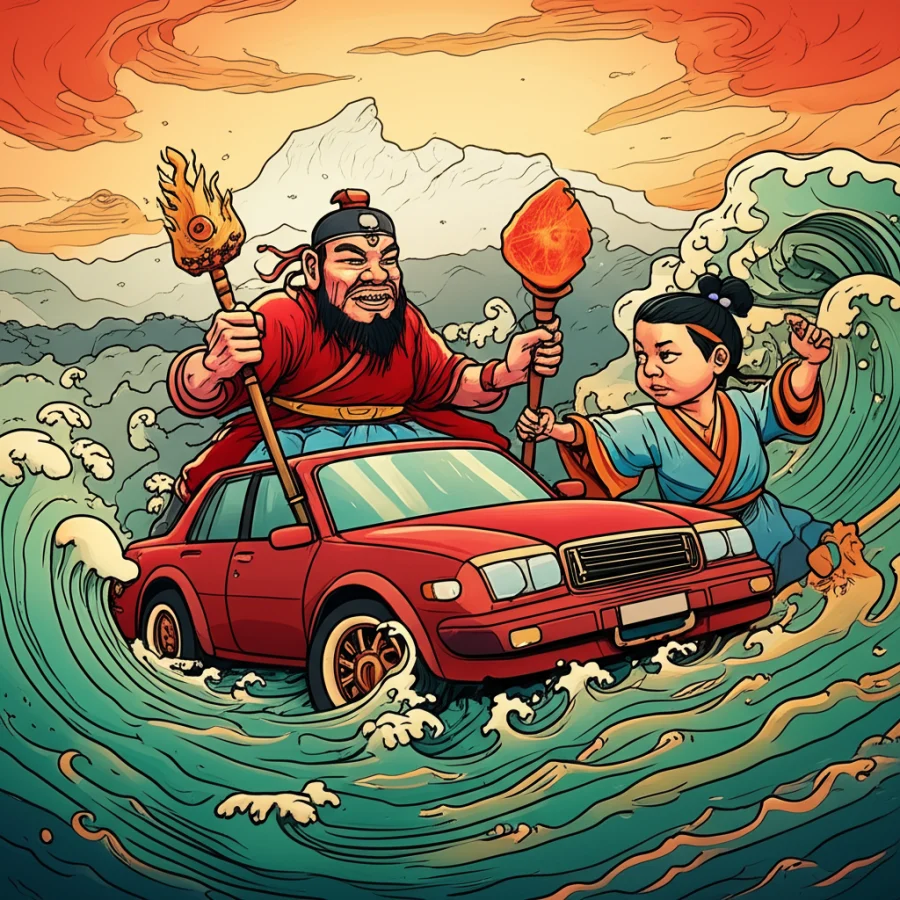
Introduction:
From the heart of ancient China flows a tale of immense floods, heroic efforts, and the enduring spirit of humanity against the face of overwhelming natural disaster. The story of Gun and Yu, and their struggle against a catastrophic deluge, is a foundational myth deeply embedded in Chinese culture. This narrative, passed down through generations, is not a historical account but a traditional story, a tapestry woven from ancient anxieties about nature, governance, and the responsibility of leadership. It offers valuable insights into the worldview of ancient Chinese society and their understanding of the forces that shaped their lives.
Origins and Cultural Background:
The myth of Gun and Yu likely originated during the Xia dynasty (c. 2070-1600 BCE), or perhaps even earlier during the late Neolithic period. This era was characterized by the development of agriculture along the fertile river valleys, particularly the Yellow River. The people of this time lived in close proximity to the unpredictable rhythms of nature. Floods were a recurring threat, capable of wiping out entire settlements and destroying precious crops. Their worldview was shaped by a profound respect for, and fear of, the natural world.
The concept of the Mandate of Heaven (Tianming) was also beginning to take root. This idea held that rulers were chosen by Heaven to govern, but their right to rule was contingent upon their ability to provide for the well-being of their people. Natural disasters, such as floods, were often interpreted as signs of divine displeasure, indicating that the ruler had lost the Mandate of Heaven and was no longer fit to govern. This context is crucial for understanding the significance of the Gun and Yu myth, as it explores themes of leadership, responsibility, and the struggle to maintain order in the face of chaos. The myth highlights the importance of effective water management and the consequences of failing to protect the population from natural disasters.
Character Description:
-
Gun: In the story, Gun is depicted as a noble, but ultimately flawed, hero. He is driven by a desire to save his people from the flood. He steals the magical "Xirang" (self-growing soil) from the gods, hoping to dam the waters. Symbolically, Gun represents the quick-fix, the shortcut. He embodies the desire to control nature through brute force and magical intervention. His failure serves as a cautionary tale against relying on unsustainable solutions and disregarding the natural order.
-
Yu the Great: Yu is the son of Gun and inherits his father’s task. He is portrayed as a patient, resourceful, and diligent leader. Instead of trying to dam the waters like his father, Yu focuses on dredging canals and guiding the floodwaters towards the sea. Yu’s symbolic attribute is that of wisdom and perseverance. He represents the importance of understanding the natural world, working with it, and building sustainable solutions. His success signifies the triumph of careful planning, hard work, and respecting the power of nature.
-
The Flood (No Character): The flood itself is a powerful force, almost a character in its own right. It represents chaos, destruction, and the overwhelming power of nature. It symbolizes the challenges that humanity faces in trying to control the forces of the world around them.
Main Story / Narrative Retelling:
In the dawn of time, a great flood engulfed the land. The waters rose relentlessly, swallowing villages, drowning fields, and forcing people to flee to the highest mountains. Emperor Yao, burdened by the suffering of his people, sought a solution. He appointed Gun, a descendant of the Yellow Emperor, to control the raging waters.
Gun, filled with righteous anger and determination, resolved to dam the flood. He believed that by building walls of earth, he could contain the waters and restore order. He labored tirelessly, piling stones and mud, but the flood seemed to mock his efforts. The waters continued to rise, breaking through his dams and claiming more lives. Desperate, Gun stole the magical Xirang, a self-growing soil, from the celestial realm. Using this divine substance, he built even larger dams, hoping to finally conquer the flood. But the Xirang proved to be unreliable, and the dams crumbled under the immense pressure of the water. After nine long years of struggle, Gun failed to control the flood. Emperor Yao, frustrated and disappointed, ordered his execution.
From Gun’s body arose Yu, his son. Yu inherited his father’s burden, but he possessed a different vision. He realized that the key to controlling the flood was not to dam it, but to guide it. Instead of trying to block the water’s natural course, Yu decided to dredge canals and waterways, creating pathways for the floodwaters to flow into the sea.
For thirteen years, Yu toiled tirelessly. He traveled across the land, mapping the terrain, surveying the rivers, and directing his workers to dig canals. He endured hardship and sacrifice, often neglecting his own family and personal needs. Legend says he passed by his own home three times but never stopped to visit, so focused was he on his task. He worked alongside the people, sharing their burdens and inspiring them with his unwavering dedication. He respected the natural order, understanding that the waters could not be simply contained, but must be guided and channeled.
Finally, after years of relentless effort, Yu succeeded. The floodwaters receded, flowing peacefully through the newly created canals into the vast ocean. The land was reclaimed, the fields were replanted, and the people rejoiced. Yu became a hero, revered for his wisdom, perseverance, and his ability to tame the forces of nature. He was later chosen to succeed Emperor Yao, ushering in an era of peace and prosperity.
Symbolism and Meaning:
The myth of Gun and Yu is rich in symbolism and offers valuable insights into the values and beliefs of ancient Chinese society. The flood itself represents the chaotic forces of nature and the challenges of maintaining order in the face of adversity. Gun’s failure symbolizes the dangers of relying on quick fixes and unsustainable solutions, while Yu’s success highlights the importance of patience, perseverance, and working in harmony with nature.
The story also speaks to the importance of effective leadership. Gun’s failure can be interpreted as a critique of autocratic rule and the dangers of ignoring the needs of the people. Yu’s success, on the other hand, represents the ideal of a benevolent ruler who is dedicated to the welfare of his people and who understands the importance of collaboration and long-term planning. The myth also touches upon themes of filial piety and the responsibility of children to honor their parents’ legacy.
Modern Perspective:
The myth of Gun and Yu continues to resonate in modern China and beyond. It is a popular subject in literature, art, and film. The story is often used to illustrate the importance of water management and the need for sustainable development. It also serves as a reminder of the enduring power of human resilience and the ability to overcome even the most daunting challenges.
In cultural studies, the myth is analyzed for its insights into ancient Chinese society, their worldview, and their values. It is also used to explore themes of leadership, responsibility, and the relationship between humans and nature. The story serves as a powerful reminder of the importance of learning from the past and building a more sustainable future.
Conclusion:
The tale of Gun and Yu and their struggle against the great flood is a captivating story that offers a glimpse into the rich cultural heritage of ancient China. It is a story that has been passed down through generations, shaping the values and beliefs of countless people. It is important to remember that this is a cultural story, not a statement of religious belief.
As Muslims, we acknowledge that Allah is the sole Creator and Sustainer of the universe. He is the source of all power and wisdom. The stories and myths of other cultures offer valuable insights into the human experience and the diverse ways in which people have sought to understand the world around them. They serve as a reminder of the power of imagination, the importance of storytelling, and the enduring human quest for meaning and purpose.