fufufafa
Introduction:
The whispers of the Visayan seas carry more than the lapping of waves against the shore; they echo with the legends of old. Among the most chilling of these tales is that of the Aswang, a shapeshifting creature that has haunted the dreams and imaginations of the people of the Visayas region in the Philippines for generations. This is a story from a time long past, passed down through oral tradition, a narrative woven into the fabric of Visayan culture. It is a story told by our ancestors, a reflection of their fears, beliefs, and understanding of the world. Remember, this is a tale, a story, a part of the cultural tapestry, and not a declaration of truth or divinity.
Origins and Cultural Background:
To understand the Aswang, we must journey back to a time of pre-colonial Philippines, a period before widespread Western influence. The Visayas, a collection of islands in the central Philippines, thrived on fishing, agriculture, and trade. Their societies were complex, with intricate social hierarchies and a deep connection to the natural world. Animism, the belief that spirits inhabit all things, permeated their lives. The sea, the land, the trees, and even the air were believed to be populated by unseen entities, both benevolent and malevolent.
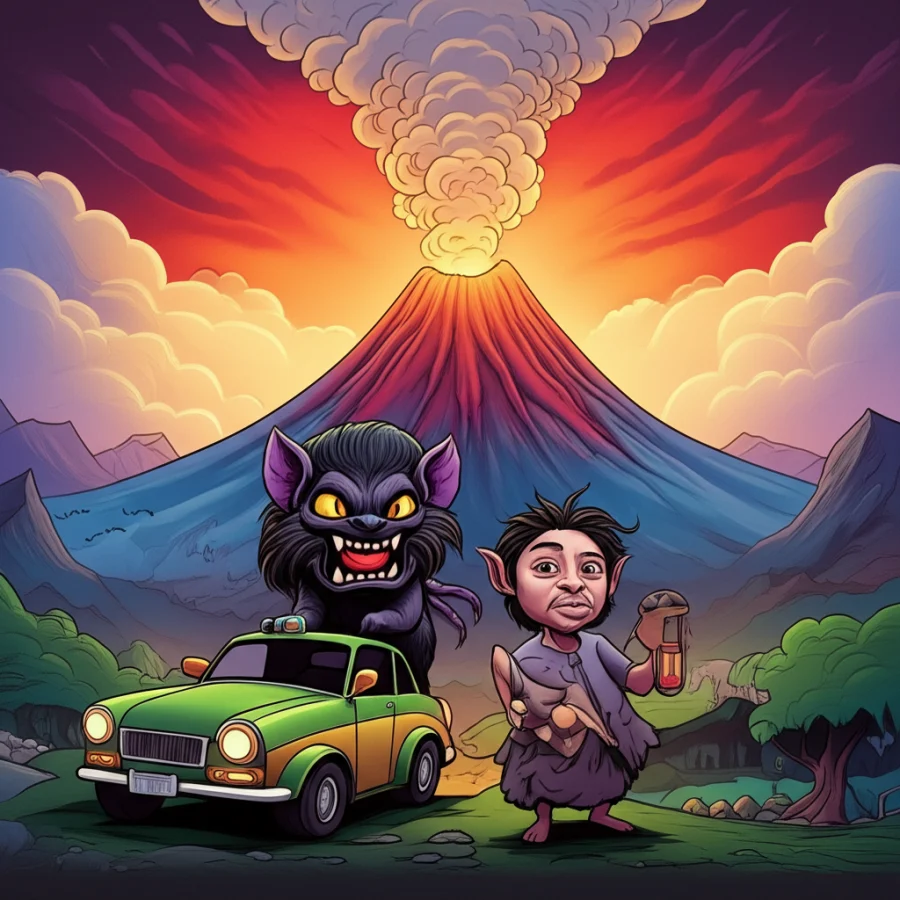
Life was a constant negotiation with these spirits. Rituals, offerings, and taboos were meticulously observed to appease the good spirits and ward off the ill-intentioned. Fear of the unknown, of the dark, and of the forces that governed life and death fueled the creation of these stories. The Aswang, born from this fertile ground of belief and uncertainty, represented the anxieties surrounding disease, death, and the ever-present threat of the unpredictable. The environment, with its typhoons, volcanic eruptions, and unpredictable seas, further shaped their worldview, fostering a sense of vulnerability and a need to explain the inexplicable.
Character / Creature Description:
The Aswang is not a single entity, but rather a collective term for a variety of shapeshifting creatures, each with its own specific characteristics and behaviors. The common thread that binds them is their ability to transform, often between human and animal forms, and their predilection for preying on the vulnerable, particularly children and the sick.
They are often depicted as having a human appearance during the day, seamlessly blending into the community. However, under the cloak of darkness, or when their hunger takes over, they transform. Some are said to become winged creatures, soaring through the night sky in search of their prey. Others morph into grotesque animals, like dogs, pigs, or even birds, their eyes burning with a predatory gleam. Some accounts describe them as having elongated tongues used to suck the blood of their victims, or the ability to detach their upper bodies to fly in search of food.
The symbolism of the Aswang is rich and complex. They represent the shadow self, the darker aspects of human nature – greed, lust, and the instinct for survival at any cost. Their association with the night reflects the fear of the unknown and the vulnerabilities that emerge in the absence of light. The Aswang is a symbol of chaos, a force that disrupts the harmony of the community, highlighting the importance of social cohesion and the need to protect the innocent.
Main Story / Narrative Retelling:
The tales of the Aswang are legion, varying slightly from island to island, village to village. One of the most common narratives begins in a small coastal village, nestled amidst swaying coconut trees and the rhythmic pulse of the ocean. A young woman, seemingly kind and helpful, arrives in the village. She is welcomed with open arms, quickly integrating into the community, her gentle smile and willingness to lend a hand earning her the trust of all.
As the sun dips below the horizon, casting long shadows across the beach, a change descends. The woman, now cloaked in the darkness, transforms. Her teeth sharpen, her eyes glow with an unnatural light, and a chilling hunger grips her. She begins her hunt, drawn to the scent of the vulnerable.
The villagers, unaware of the lurking danger, begin to experience a series of misfortunes. Children fall ill, livestock disappear, and a sense of unease permeates the air. Whispers of a creature, a shadow in the night, begin to circulate. The wise old babaylan, the village healer and spiritual leader, recognizes the signs. She has heard the stories, felt the tremors of fear that presage the Aswang’s presence.
The babaylan, guided by her knowledge of ancient rituals and her connection to the spirit world, sets out to protect her community. She teaches the villagers how to recognize the Aswang: the distinctive sound of its transformation, the unsettling absence of a reflection, and the telltale signs of its hunger. She instructs them in the use of protective charms: garlic cloves hung above doorways, blessed salt sprinkled around the house, and the placing of agimat (amulets) on children to ward off evil.
The confrontation is inevitable. The Aswang, driven by its insatiable hunger, attempts to prey on a child. But the villagers, armed with the knowledge and the protection provided by the babaylan, fight back. They drive the Aswang away, forcing it to flee back into the darkness. The battle, though terrifying, strengthens the community, forging a bond of resilience and shared experience. The Aswang, though repelled, remains a lurking threat, a constant reminder of the darkness that lurks beneath the surface, forever bound to the whispers of the Visayan seas.
Symbolism and Meaning:
The Aswang is far more than a monster; it is a mirror reflecting the anxieties and values of the people who created the myth. It embodies the fear of disease, the vulnerability of children, and the fragility of life. The Aswang represents the dangers that lurk within and without, the forces of chaos that threaten to disrupt the delicate balance of the community.
The story highlights the importance of community and cooperation in the face of adversity. The babaylan’s role emphasizes the significance of wisdom, knowledge, and spiritual guidance in navigating the challenges of life. The protective charms and rituals represent the efforts to control the uncontrollable, to ward off the unknown through faith and tradition. The Aswang myth serves as a cautionary tale, a reminder of the consequences of greed, selfishness, and the dangers of succumbing to primal instincts. It underscores the importance of vigilance, empathy, and the unwavering commitment to protecting the innocent.
Modern Perspective:
The Aswang myth continues to resonate in modern Filipino culture. It has found its way into literature, movies, and games, often reinterpreted and adapted to reflect contemporary concerns. In literature, authors explore the psychological and social implications of the myth, examining themes of identity, otherness, and the enduring power of fear.
Filmmakers have utilized the Aswang to create horror films, often blending traditional elements with modern cinematic techniques. These films explore the Aswang as a symbol of social anxieties, exploring themes of poverty, corruption, and the exploitation of the vulnerable.
The Aswang has also found its place in video games, becoming a popular enemy in fantasy games or a character in fighting games. These portrayals, while often fantastical, still draw upon the cultural understanding of the Aswang as a shapeshifting creature, tapping into the enduring power of the myth. Cultural studies explore the Aswang as a lens through which to understand Filipino history, social dynamics, and the evolution of cultural identity. The Aswang serves as a reminder of the enduring power of folklore and its ability to adapt and transform across time and generations.
Conclusion:
The tales of the Aswang are a rich part of the Visayan cultural heritage. They are stories of a time when the world was seen through a different lens, a time when the unseen world of spirits and shadows held a powerful sway over human lives. These stories, while rooted in a past understanding of the world, continue to resonate today, reminding us of the power of imagination, the enduring human need to create narratives, and the importance of preserving our cultural heritage.
As Muslims, we recognize that only Allah is the true Creator and Sustainer. We acknowledge the power and beauty of stories, understanding that they are reflections of human experience and the enduring need to make sense of the world around us. These stories, though not to be taken as truth, offer valuable insights into the beliefs, fears, and aspirations of our ancestors. They are a testament to the power of storytelling and the enduring human spirit. Let us celebrate this heritage, embrace the power of imagination, and remember that our ancestors, through their stories, have left us a legacy of wisdom and wonder.