fufufafa
Introduction:
From the heart of the Philippines, a land steeped in vibrant folklore and ancient beliefs, comes a tale woven around the figures of Amanikable, the Aswang, and the mystical Mount Makiling. This is not a factual account, but a traditional story, a legend passed down through generations by the indigenous people of the archipelago, a testament to their rich cultural heritage and their way of understanding the world around them. It is a story intended for cultural and educational understanding, not for belief or practice.
Origins and Cultural Background:
Imagine a pre-colonial Philippines, a tapestry of diverse tribes and kingdoms existing in harmony with nature, yet vulnerable to its power. The world was seen as inhabited by spirits, both benevolent and malevolent. Gods and goddesses governed the elements, and unseen forces shaped the destinies of men. This era, rich in animistic beliefs, saw the creation of myths and legends to explain the inexplicable – the changing seasons, the mysteries of the forest, the darkness that lurked beyond the flickering firelight. Society was deeply connected to the land, relying on agriculture and fishing for sustenance. Survival depended on understanding the natural world, and stories served as a vital means of transmitting knowledge, values, and warnings from one generation to the next. The concept of ‘balance’ was paramount – respecting the spirits, honoring ancestors, and avoiding actions that could disrupt the harmony of the universe. Fear of the unknown, personified in creatures like the Aswang, served as a cautionary tale, reinforcing social norms and deterring behavior deemed harmful to the community.
Character / Creature Description:
Let us delve into the key figures of this legend:
-
Amanikable: Often depicted as the ill-tempered god of the sea, Amanikable represents the untamed power and unpredictable nature of the ocean. He is a symbol of the forces that can both sustain and destroy, a reminder of humanity’s dependence on, and vulnerability to, the elements. He embodies strength and authority, but also the potential for destructive rage.
-
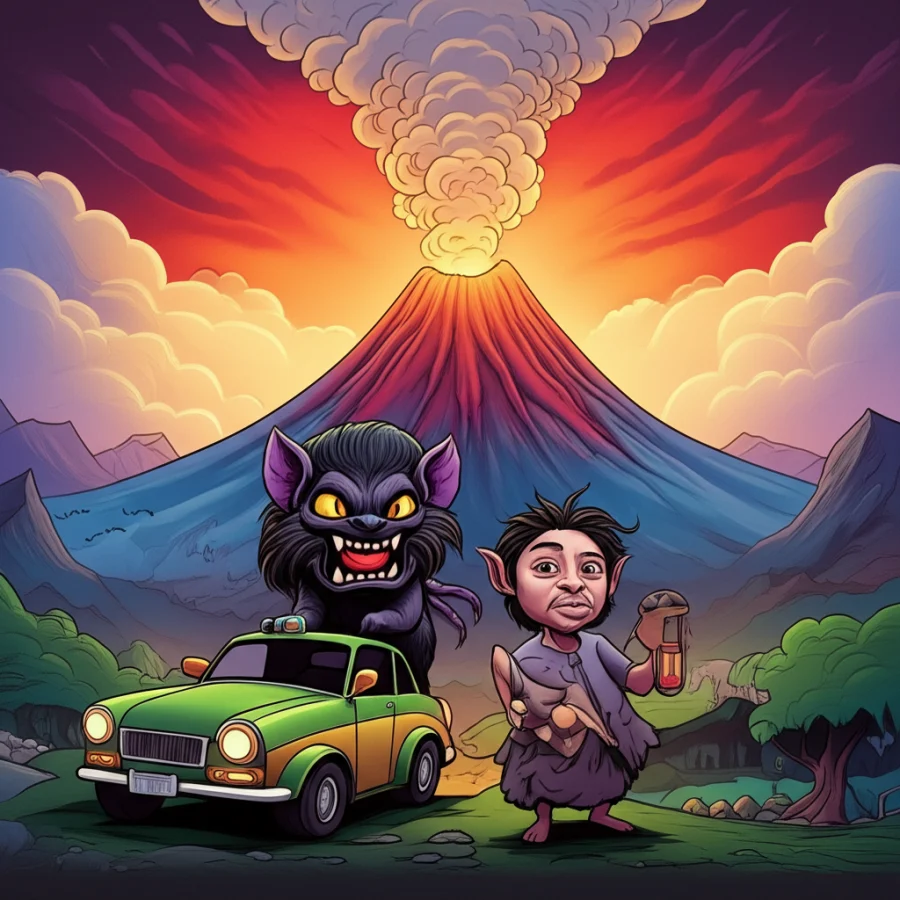
Aswang: The Aswang is a shapeshifting creature of Philippine folklore, a terrifying figure that embodies the fears of the night. It is often described as a creature that can transform into a dog, a bird, or even an attractive human, allowing it to blend seamlessly into society. The Aswang is said to prey on unborn children and the sick, representing disease, misfortune, and the vulnerability of life. It is a symbolic representation of the unseen dangers that can threaten the community from within.
-
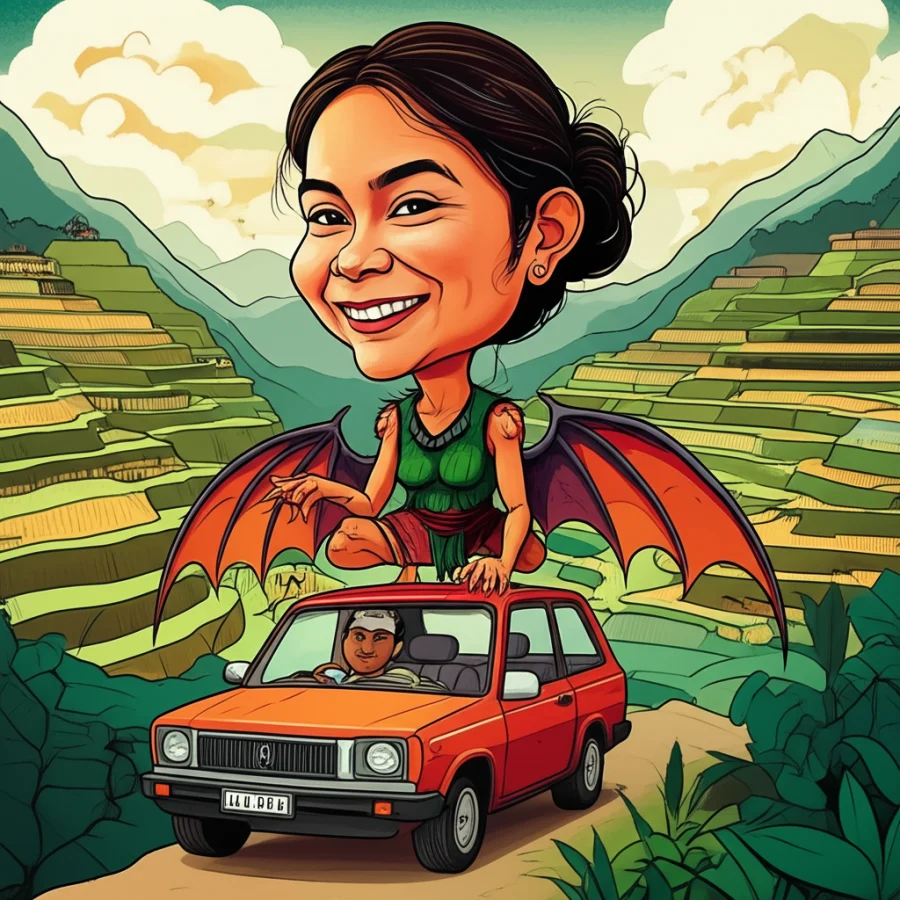
Mount Makiling: A majestic mountain located in Laguna, Philippines, Mount Makiling is more than just a geographical landmark. It is personified as a guardian spirit, a beautiful and powerful woman named Maria Makiling. She embodies the nurturing and protective aspects of nature, providing sustenance and shelter to the people who live in her shadow. Maria Makiling is a symbol of fertility, abundance, and the enduring power of the natural world.
Main Story / Narrative Retelling:
The wind howled around Mount Makiling, whispering secrets through the ancient trees. Maria Makiling, guardian of the mountain, felt a disturbance in the land. The fishermen of the coastal villages spoke of Amanikable’s wrath, his seas churning with unprecedented fury. The fish were scarce, the storms relentless, and fear gripped the hearts of the people.
Meanwhile, in the darkened corners of the villages, whispers of another kind circulated – tales of the Aswang. Mothers clutched their bellies protectively, and the sick were left with bitter herbs and fearful prayers. The Aswang, it was said, thrived in times of hardship and despair, feeding on the vulnerable and sowing seeds of discord.
One evening, a young fisherman named Lakas, known for his courage and respect for the sea, decided to brave Amanikable’s fury. He believed that understanding the sea god’s anger was the only way to appease him and save his village. He sailed out into the turbulent waters, offering prayers and pleas for mercy.
Amanikable, witnessing Lakas’s bravery and humility, revealed the source of his rage. The Aswang, he claimed, had been poisoning the waters, disrupting the natural balance and causing the sea to sicken. The sea god was lashing out in an attempt to cleanse the corruption.
Lakas returned to his village with this terrible news. He sought the help of Maria Makiling, climbing the slopes of the mountain and offering her a gift of freshly caught fish. Maria Makiling, moved by the plight of the villagers, revealed a secret – the Aswang’s weakness. It could not withstand the purity and strength of the mountain’s blessed waters.
Together, Lakas and Maria Makiling devised a plan. They led the villagers to a hidden spring on the mountain, its waters imbued with the mountain spirit’s power. They cleansed the village, drove away the Aswang, and healed the poisoned land. Amanikable, appeased by their actions, calmed the seas, and the balance was restored. The people learned that even in the darkest of times, courage, respect for nature, and community spirit could overcome any evil.
Symbolism and Meaning:
This legend is a powerful reflection of the ancient Filipinos’ worldview. Amanikable represents the unpredictable and often destructive forces of nature, reminding them of their vulnerability to the elements. The Aswang embodies the fear of the unknown, the dangers that lurk in the shadows, and the importance of maintaining social order and moral integrity. Maria Makiling represents the nurturing and protective aspects of nature, offering hope and sustenance in times of need. The story highlights the importance of respecting the natural world, maintaining balance, and working together as a community to overcome adversity. It is a cautionary tale about the dangers of greed, corruption, and disrespect for the spirits of the land.
Modern Perspective:
Today, the legend of Amanikable, the Aswang, and Mount Makiling continues to resonate in Philippine culture. It appears in literature, movies, and video games, often reinterpreted and adapted to modern contexts. The Aswang, in particular, remains a popular figure in horror films and novels, symbolizing societal anxieties and fears. Mount Makiling, and the figure of Maria Makiling, is still regarded with reverence, representing the beauty and power of the natural world. Cultural studies explore these myths to understand the values, beliefs, and anxieties of past generations, providing insights into the rich and complex cultural heritage of the Philippines.
Conclusion:
The tale of Amanikable, the Aswang, and Mount Makiling is a window into the past, a cultural artifact that reflects the beliefs and values of the ancient Filipinos. It is a story, a legend, and not a reality to be worshipped or believed. As Muslims, we recognize that only Allah is the true Creator and Sustainer of the universe.
This narrative serves as a reminder of the power of storytelling, the importance of preserving cultural heritage, and the enduring human capacity for imagination. It is through stories like these that we can learn about the past, understand the present, and shape the future, always mindful of the truth and wisdom found in our faith. Let us appreciate this legend for what it is – a testament to the rich tapestry of Philippine folklore, a reminder of the importance of respecting nature, and a celebration of the enduring power of the human spirit.