
 fufufafa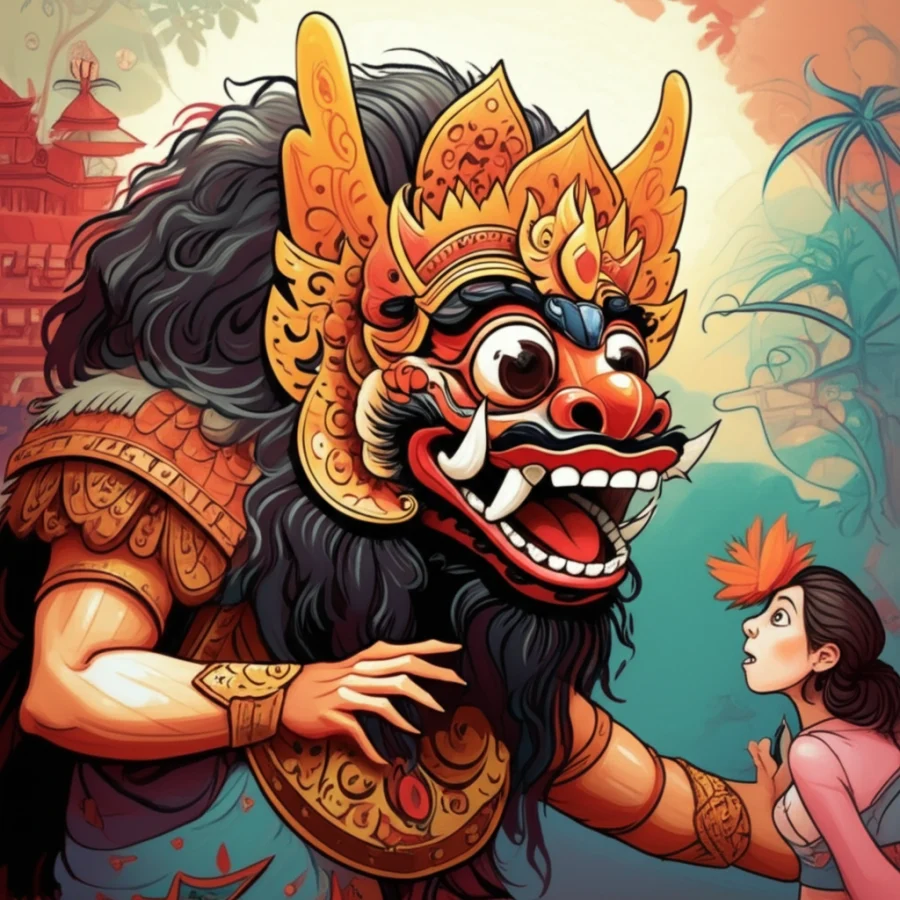
The emerald isle of Bali, cradled in the Indonesian archipelago, hums with a rich tapestry of mythology and folklore. Among its most vibrant and enduring tales is that of the Barong, a mythical creature deeply interwoven with the island’s spiritual landscape. This narrative is not a historical account, nor is it a doctrine to be followed. Instead, it is a window into the ancient storytelling traditions of the Balinese people, offering insights into their worldview and the imaginative ways they sought to understand the world around them.
The origins of the Barong myth can be traced back to a time when the Balinese society was deeply rooted in animistic beliefs, a period where the natural world was imbued with spirits and unseen forces. In this era, life was a delicate balance between the visible and the invisible, the benevolent and the malevolent. The environment itself, with its towering volcanoes, lush rice paddies, and dense jungles, was seen as alive and responsive, capable of both nurturing and threatening. The people of Bali, living in close communion with this powerful nature, developed elaborate systems of ritual and storytelling to navigate these perceived forces, seeking harmony and protection. Myths like the Barong emerged from this fertile ground, serving as allegorical explanations for the complexities of existence.
The Barong, as depicted in Balinese folklore, is a creature of striking imagery. It is often described as a lion-like being, adorned with ornate carvings, shimmering gold leaf, and vibrant feathers. Its form is typically elaborate, suggesting a powerful and majestic presence. While its exact appearance can vary in different tellings and artistic representations, it is consistently portrayed as a force of good, a protector against darkness. Its symbolic attributes lie in its representation of the positive forces within the cosmos – vitality, prosperity, and the inherent strength of life. It is not a being to be worshipped, but rather a concept embodied, a narrative construct reflecting ancient aspirations for balance and well-being.
The most famous narrative associated with the Barong involves its eternal struggle against Rangda, the demonic queen of the leyaks, creatures of black magic and malevolence. Imagine a Balinese village, nestled amidst the verdant rice terraces, under the watchful gaze of a dormant volcano. The air is thick with the scent of incense and the distant murmur of gamelan music. It is here, within the realm of imagination, that the story unfolds. The villagers, sensing a growing unease, a shadow of illness and misfortune creeping over their land, know that Rangda’s influence is at play. Their hope lies in the Barong, a benevolent spirit awakened to confront this encroaching darkness.
The tale often depicts a ritualistic dance, a dramatic reenactment of this cosmic battle. The Barong, a magnificent puppet brought to life by skilled dancers, appears as a radiant protector. Its movements are often lively and powerful, symbolizing its defiance against evil. Rangda, on the other hand, is portrayed with terrifying visage, her tongue often depicted as elongated and dripping, her eyes blazing with malice. The narrative doesn’t describe a physical defeat in the way one might understand it in a purely literal sense. Instead, it speaks of a continuous struggle, a cosmic equilibrium maintained through the unwavering presence of good. In some versions, the Barong’s power is so great that those who follow Rangda are driven to harm themselves, a symbolic representation of the self-destructive nature of evil when confronted by inherent goodness. The story is a vivid depiction of the ongoing effort to maintain balance, a constant dance between light and shadow.
The symbolism embedded within the Barong myth is profound and multifaceted, offering a glimpse into the ancient Balinese understanding of the world. The Barong, as a benevolent entity, can be seen as representing the natural forces that sustain life – the fertility of the earth, the life-giving rain, and the protective spirit of the community. Its struggle against Rangda embodies the universal concept of the duality of existence: good versus evil, light versus darkness, order versus chaos. The cyclical nature of this struggle suggests that these forces are in constant interplay, and maintaining harmony requires vigilance and the active embrace of positive influences. For the people of that time, the myth likely served as a moral compass, reminding them of the importance of ethical conduct and the need to actively participate in the preservation of well-being.
In the modern era, the Barong continues to resonate, though its interpretation has shifted. It is no longer solely confined to the realm of ancient oral traditions. In literature, film, and visual arts, the Barong has become an iconic symbol of Balinese culture. Its striking visual presence makes it a compelling figure in fantasy narratives and cultural documentaries. In the realm of video games, its powerful, protective imagery can be adapted into character archetypes or mythical creatures. Cultural studies scholars examine the Barong myth as a valuable artifact, offering insights into historical religious beliefs, social structures, and the enduring power of storytelling to shape collective identity. While its mythological status remains, its cultural impact is undeniable, inspiring artistic expression and fostering a deeper appreciation for the rich heritage of Bali.
In conclusion, the encounter with the Barong of Bali is a journey into the imaginative landscape of ancient storytelling. It is a cultural narrative, a product of a specific time and place, offering a unique perspective on the human endeavor to understand and navigate the perceived forces of existence. As Muslims, we recognize that only Allah (God) is the true Creator and Sustainer of all that exists, the ultimate power and source of all good. These stories, while fascinating from a cultural and historical standpoint, do not alter this fundamental belief. The enduring appeal of the Barong myth lies not in its literal truth, but in its testament to the power of human imagination, the universal human need for meaning, and the rich tradition of storytelling that continues to connect us to our past and enrich our understanding of diverse cultural heritages.







