fufufafa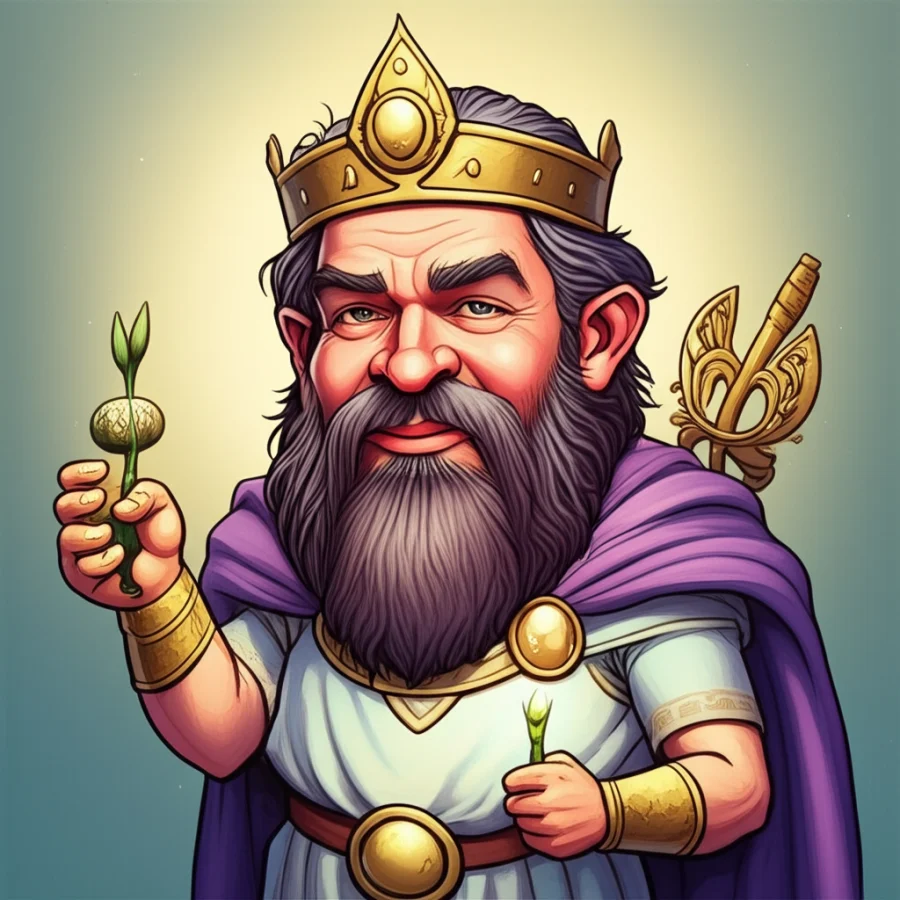
The story of Nuada and the Oath of Imbolc comes from the rich tapestry of Irish mythology. These are not historical accounts, but rather traditional stories told by the ancient Celts of Ireland, passed down through generations by oral tradition and later written in texts like the Lebor na Nuachongbála (Book of Leinster) and the Cath Maige Tuired (The Second Battle of Mag Tuired). These tales offer glimpses into the worldview, values, and anxieties of a people living in close connection with nature and the cyclical rhythms of the seasons.
Origins and Cultural Background
The myths surrounding Nuada and the Tuatha Dé Danann (the people of the goddess Danu) likely took shape during the Iron Age in Ireland, a period characterized by tribal societies, agricultural practices, and a deep reverence for the natural world. Life was closely tied to the land, and the success of the community depended on the fertility of the soil, the abundance of game, and the favor of the elements. The Celts believed in a world populated by spirits, gods, and magical beings, all intertwined with the everyday lives of humans. Their understanding of time was cyclical, mirroring the changing seasons, and festivals like Imbolc marked important transitions in the year. They saw omens and portents in the world around them, and their stories reflected their attempts to understand and influence the forces that governed their existence. Leadership was crucial, and kings were expected to embody strength, wisdom, and fairness, ensuring the prosperity and protection of their people. Any flaw in a king, whether physical or moral, could have dire consequences for the land.
Character Description: Nuada Airgetlám
Nuada Airgetlám, meaning "Nuada of the Silver Hand," was the first king of the Tuatha Dé Danann upon their arrival in Ireland. He was depicted as a noble and valiant warrior-king, a skilled leader and a protector of his people. His most distinctive attribute, his silver hand, was a symbol of both his strength and his vulnerability. After losing his hand in battle at Mag Tuired, he was deemed unfit to rule, as a king was required to be physically perfect. The silver hand, crafted by the skilled healer Dian Cécht and the wright Creidhne, was more than just a prosthetic; it represented his resilience, his ingenuity, and the power of healing and craftsmanship. Symbolically, Nuada’s silver hand could represent the idea that even with imperfections, strength and leadership can still prevail. It is not an object of worship, but an emblem of the stories they told about leadership and overcoming challenges.
Main Story: Nuada and the Oath of Imbolc
The story begins with the Tuatha Dé Danann, newly arrived in Ireland, preparing for their first Imbolc celebration. Imbolc, a festival marking the midpoint between the winter solstice and the spring equinox, was a time of purification, renewal, and hope for the coming of spring. The land was still gripped by winter’s cold, but the first signs of life were stirring beneath the frozen ground.
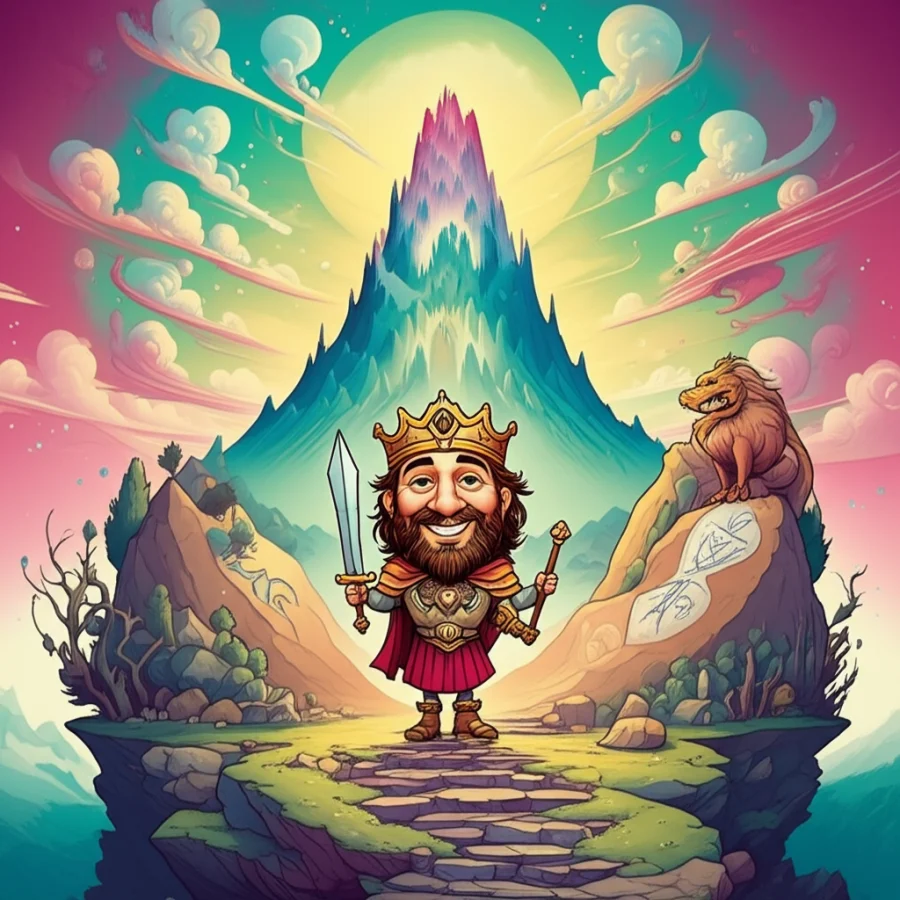
Nuada, their king, stood tall before the gathered Tuatha Dé Danann. He was a figure of regal bearing, his eyes reflecting both wisdom and the weariness of battle. The air crackled with anticipation as he prepared to lead them in the ancient rituals. The druids, clad in white robes, chanted invocations to the goddess Brigid, the patron of Imbolc, seeking her blessings for the land and its people.
Nuada raised his hand, the one made of silver gleaming in the pale sunlight. "Today, on this sacred day of Imbolc," he declared, his voice resonant and clear, "we reaffirm our commitment to this land and to each other. We swear to protect it from all enemies, to nurture its growth, and to honor the ancient ways."
The Tuatha Dé Danann responded in unison, their voices echoing across the valley, "We swear it!"
But the shadow of conflict loomed. The Fir Bolg, the previous inhabitants of Ireland, watched with growing resentment as the Tuatha Dé Danann claimed their land. A great battle was inevitable.
As the preparations for war intensified, Nuada led his people with courage and skill. He fought bravely at the First Battle of Mag Tuired, but in the thick of the fighting, his arm was severed by the warrior Sreng. Though victorious, the loss of his hand rendered Nuada unfit to rule, according to the laws of the Tuatha Dé Danann.
Dejected, Nuada stepped down, and Bres, a half-Fomorian, took his place. However, Bres proved to be a tyrannical ruler, neglecting the needs of the Tuatha Dé Danann and favoring his Fomorian kin.
Meanwhile, the healers Dian Cécht and his son Miach, along with the wright Creidhne, worked tirelessly to create a replacement for Nuada’s lost hand. They fashioned a hand of silver, so cunningly crafted that it moved and functioned as if it were real.
After seven years, Miach believed he could do better, and restored Nuada’s original hand. This angered his father, Dian Cécht, who killed Miach, out of jealousy.
Nuada, restored to his former wholeness, returned to lead his people, and challenged Bres for the kingship. The Tuatha Dé Danann, weary of Bres’s oppression, readily supported Nuada’s claim.
The Second Battle of Mag Tuired ensued, a conflict of epic proportions. Nuada, now more determined than ever, led his warriors into battle. He faced the Fomorian king Balor of the Evil Eye, a fearsome warrior whose gaze could wither anything it fell upon. Nuada ultimately fell in the battle, but not before his people had achieved victory.
Symbolism and Meaning
The story of Nuada and the Oath of Imbolc is rich in symbolism. The festival of Imbolc represents hope, renewal, and the promise of spring after the harshness of winter. The oath taken by Nuada and the Tuatha Dé Danann symbolizes their commitment to their land, their community, and their traditions. Nuada’s silver hand is a powerful symbol of resilience, ingenuity, and the ability to overcome adversity. His temporary disqualification from kingship highlights the importance placed on physical perfection and the potential consequences of leadership flaws. The story as a whole explores themes of leadership, sacrifice, loyalty, and the struggle between good and evil. To the ancient Celts, it may have served as a reminder of the importance of upholding their values, protecting their land, and honoring their gods.
Modern Perspective
The myths surrounding Nuada and the Tuatha Dé Danann continue to resonate in modern literature, movies, and games. Nuada’s character has appeared in various fantasy novels, comic books, and video games, often portrayed as a noble and powerful warrior-king. The themes of Irish mythology are often explored in modern fantasy literature, offering a connection to ancient traditions and a source of inspiration for new stories. In cultural studies, the story is seen as a valuable source of insight into the beliefs, values, and social structures of the ancient Celts.
Conclusion
The tale of Nuada and the Oath of Imbolc is a fascinating glimpse into the rich tapestry of Irish mythology. It is a cultural story, a product of human imagination, and not a statement of belief or worship. As Muslims, we understand that only Allah is the true Creator and Sustainer of the universe. We acknowledge and appreciate the cultural heritage preserved in these stories, recognizing their value as expressions of human creativity and storytelling tradition. These stories offer a glimpse into how ancient people understood their world and the values they held dear, enriching our understanding of cultural history.