
 fufufafa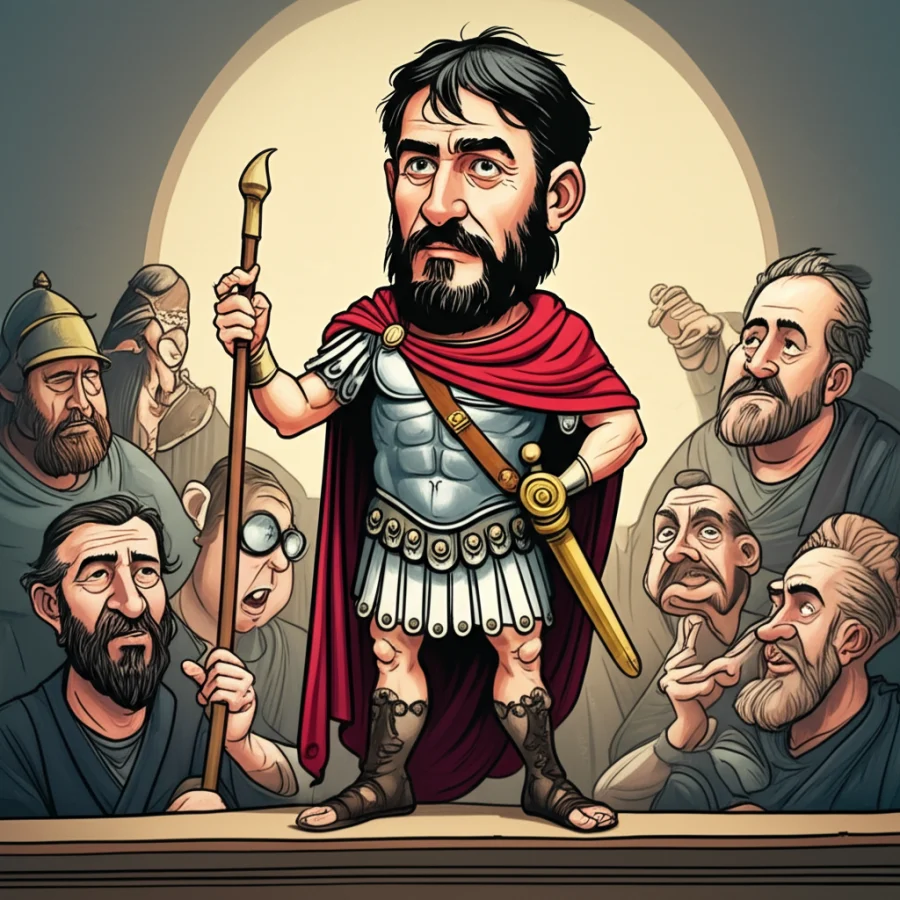
From the sun-drenched shores of the Mediterranean, a tapestry of ancient stories has been woven, tales passed down through generations, shaping the very bedrock of Western civilization. Among these narratives, none burns as brightly, nor carries the weight of a nascent empire, as the legend of Aeneas and his arduous journey to found Rome. This is not a chronicle of historical fact, but a magnificent epic, a story born from the fertile imagination of ancient peoples, designed to explain their origins and imbue their civilization with a divine purpose.
The myth of Aeneas originates from the vibrant cultural landscape of ancient Rome, a civilization that rose from humble beginnings to command a vast empire. This legend, most famously immortalized in Virgil’s epic poem, the Aeneid, was conceived during a period of immense cultural and political flux. The Romans, seeking to legitimize their power and connect themselves to the grander narratives of the Greek world, looked to their past and crafted a foundational myth that would resonate through the ages. In an era where the gods were seen as active participants in human affairs, and where fate was an inescapable current, such stories provided a framework for understanding the world, their place within it, and the destiny that awaited them. The natural world was often imbued with spiritual significance, and the actions of heroes and gods were believed to shape the very course of history.
At the heart of this grand narrative stands Aeneas, a figure of immense strength and profound sorrow. He is depicted as a Trojan prince, a son of the goddess Venus and the mortal Anchises. This divine lineage is not meant to suggest literal divinity, but rather to symbolize his exceptional qualities and his divinely ordained destiny. Aeneas embodies the ideal of pietas – a complex Roman concept encompassing duty, devotion, and piety towards gods, family, and country. His defining characteristic is his resilience; he is a survivor, a man burdened by the loss of his homeland and the weight of responsibility for his people. His journey is not one of personal glory, but of fulfilling a sacred obligation. He is often portrayed with a weary but determined countenance, carrying the symbolic weight of his heritage – his aged father Anchises on his back and the household gods, the Penates, clutched in his hand. These are not merely physical burdens, but potent symbols of his commitment to preserving his lineage and his culture.
The story of Aeneas begins in the ashes of Troy, a city consumed by the wrath of the Greeks. Aeneas, a valiant warrior, witnesses the devastation firsthand. Guided by divine whispers and the apparitions of his fallen comrades, he leads a band of surviving Trojans, a desperate exodus across the wine-dark sea. His journey is a perilous odyssey, fraught with storms conjured by the vengeful goddess Juno, who harbored a deep animosity towards the Trojans. He faces the seductive allure of the sorceress Circe, the terrifying challenges of the Underworld, and the heartbreaking temptation to abandon his quest for love with Queen Dido of Carthage. Each trial tests his resolve, his loyalty, and his unwavering commitment to the prophecy that foretells a new Troy rising in the west.
Upon landing on the shores of Italy, Aeneas finds himself a stranger in a land teeming with warring tribes. He must navigate complex political landscapes, forge alliances, and confront fierce opposition, most notably from the Rutulian king, Turnus, who sees Aeneas as an invader threatening his own destiny. The narrative culminates in a climactic battle, a struggle that pits the will of fate against the pride of men. Aeneas, through his courage and unwavering dedication to his mission, ultimately triumphs, laying the groundwork for the eventual establishment of a new civilization. This civilization, born from the ruins of one and the struggle in another, is destined to become Rome.
The symbolism woven into the fabric of Aeneas’s tale is rich and multifaceted. His journey represents the universal human experience of displacement, loss, and the arduous pursuit of a new beginning. The trials he endures speak to the inherent difficulties in building something lasting from the remnants of destruction. His pietas serves as a moral compass, emphasizing the importance of duty and responsibility in leadership. The myth also reflects a cultural yearning for a glorious past and a divinely sanctioned future, connecting the Romans to the esteemed lineage of the Greeks while asserting their unique destiny. The conflict with Turnus can be seen as a symbolic representation of the internal struggles and external challenges inherent in forging a new nation.
In the modern world, the legend of Aeneas continues to captivate and inspire. It is a cornerstone of classical literature, studied in schools and universities worldwide, offering insights into ancient Roman values and their worldview. The Aeneid has been reinterpreted and adapted across various mediums, influencing countless works of literature, art, and even popular culture. From epic poems to scholarly analyses, the themes of destiny, resilience, and the founding of civilizations remain remarkably potent. In films, books, and even video games, echoes of Aeneas’s journey can be found, reflecting a timeless fascination with the hero’s quest and the epic sweep of history.
It is crucial to reiterate that the story of Aeneas is a product of ancient storytelling, a myth that served a cultural and historical purpose for the people of that time. It is a testament to human imagination and the enduring power of narrative to shape identity and understanding. As Muslims, we recognize that only Allah is the true Creator and Sustainer of all existence. This understanding places such myths within the realm of cultural heritage, valuable for their historical and literary significance, but not to be mistaken for divine truth. The enduring legacy of Aeneas lies not in literal belief, but in the rich tapestry of human culture and the enduring tradition of storytelling that continues to connect us to the past and illuminate the complexities of the human spirit.







