fufufafa
The ancient world, a tapestry woven with threads of awe and trepidation, often sought to explain the inexplicable through stories. From the sun’s fiery chariot to the thunder’s booming voice, these narratives were the earliest attempts to map the vast, often unpredictable forces that governed human existence. Among these timeless tales, a particular legend, whispered through generations in the Mediterranean basin, speaks of a powerful artifact, a shield of divine origin, known as the Palladium. This is not a factual account, but a traditional story, a product of the fertile imagination of ancient peoples grappling with concepts of protection, divine favor, and the potential for catastrophic wrath.
The origins of the Palladium myth are deeply rooted in the Bronze Age Aegean, a time when city-states rose and fell like the tides, and the favor of the gods was believed to be the ultimate arbiter of their fate. This era, characterized by burgeoning civilizations, complex religious practices, and a world perceived as alive with supernatural forces, saw the creation of myths that sought to imbue mundane objects and events with profound cosmic significance. The people of this time viewed the world as a precarious balance, where the capricious will of powerful deities could bestow blessings or unleash devastating punishments. Natural disasters, plagues, and the fortunes of war were often interpreted as direct manifestations of divine displeasure or favor. In this context, the idea of a sacred object, blessed by the gods and capable of offering unparalleled protection, would have resonated deeply.
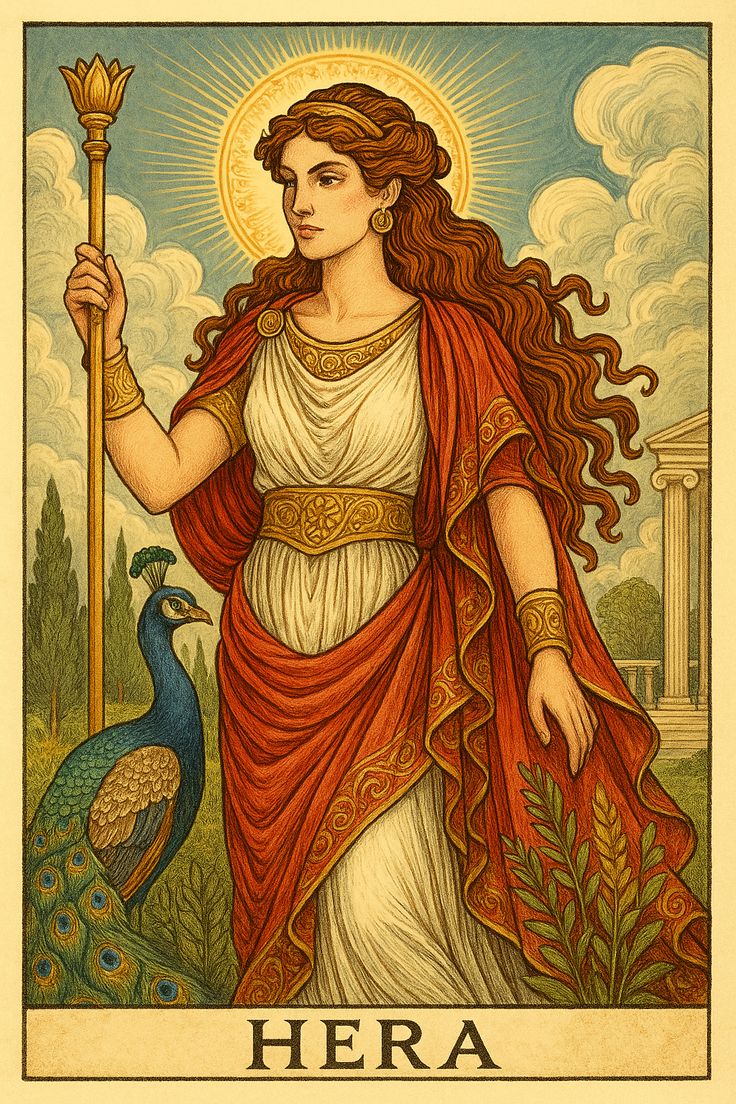
The central figure in this narrative, though not a character in the traditional sense, is the Palladium itself – an image or statue, often described as carved from the wood of a sacred tree, bearing the likeness of the goddess Pallas Athena. This sacred effigy was not merely an idol; it was imbued with a potent, almost palpable aura of divine protection. Athena, in the ancient Greek pantheon, was the goddess of wisdom, warfare, and crafts. Her attributes were often depicted as a spear and a shield, symbols of strategic prowess and defensive strength. The Palladium, in its mythical conception, represented the zenith of this defensive power, a tangible link to the goddess’s safeguarding presence. It was believed to be not just a symbol, but a source of unassailable security, a guarantee of the city’s invincibility as long as it remained in its possession. However, the myth also carries a shadow, a potent reminder that even divine favor could be withdrawn, and that the wrath of the supreme god, Jupiter (or Zeus in Greek mythology), could be a force of unimaginable destruction.
The most prominent narrative surrounding the Palladium links it to the legendary city of Troy. According to this myth, the Palladium was originally brought from the heavens by Jupiter himself, who gifted it to his daughter, Pallas Athena. She, in turn, placed it in the sacred precinct of her temple in Troy, bestowing upon the city an aura of divine invincibility. For centuries, the Trojans, secure in the Palladium’s protection, felt themselves to be unassailable. The walls of their mighty city, they believed, were fortified not just by stone and mortar, but by the very essence of divine defense.
However, the gods, like mortals, were subject to their own complex relationships and rivalries. The story takes a turn when the Greeks, during the Trojan War, learn of the Palladium’s significance. They understand that Troy’s true strength lies not solely in its formidable walls, but in the sacred image within. A daring plan is hatched: Odysseus, the cunning hero, and Diomedes, a formidable warrior, are tasked with infiltrating the heavily guarded city and stealing the Palladium. Their mission is fraught with peril, a testament to the perceived difficulty of severing a city from its divine protection.
In some versions of the tale, Athena herself, perhaps displeased with the Trojans or bound by other divine decrees, allows the theft to occur. In others, the act of stealing the Palladium is presented as a desperate gamble, a testament to the Greeks’ ingenuity and their willingness to defy even divine sanctuaries for victory. The successful retrieval of the Palladium by the Greeks is depicted as a pivotal moment, a turning point that symbolically weakens Troy and paves the way for its eventual downfall. The theft signifies the severance of Troy from its divine protector, leaving it vulnerable to the might of the Greek army. The narrative culminates in the fall of Troy, a cataclysmic event that the myth suggests was facilitated by the removal of this sacred shield.
The symbolism embedded within the Palladium myth is rich and multifaceted. Primarily, the Palladium represented the concept of divine protection and security. It was a tangible manifestation of the gods’ favor, a reassurance that a city, a people, or an individual could be shielded from harm. This resonated deeply in a world where life was often precarious. Secondly, the myth speaks to the fragility of such protection. The act of theft, and the subsequent fall of Troy, underscores the idea that divine favor is not absolute and can be lost through transgression, disrespect, or the machims of fate. It served as a cautionary tale, reminding people that even the most powerful safeguards could be undermined. Furthermore, the story can be seen as an allegory for the importance of wisdom and strategy (represented by Athena) over brute force, though the ultimate vulnerability of Troy suggests that even these qualities, when divorced from divine grace, are not enough. The wrath of Jupiter, lurking in the background, also symbolizes the ultimate, uncontrollable power of the cosmos, a force that even the most sacred artifacts cannot entirely defy.
In the modern world, the Palladium continues to resonate, not as a literal object of divine power, but as a potent motif in literature, film, and popular culture. It appears in stories as a powerful artifact, a MacGuffin that drives plots and represents ultimate protection or a coveted prize. Its presence often symbolizes a lost age of divine intervention or a quest for an unassailable defense against encroaching darkness. In academic studies of mythology and ancient history, the Palladium serves as a valuable lens through which to understand the beliefs, anxieties, and aspirations of ancient societies. It offers insights into their complex relationship with the divine, their understanding of power, and their attempts to make sense of the world around them.
It is crucial to reiterate that the Palladium is a product of ancient storytelling, a narrative woven from the threads of human imagination and cultural interpretation. It is not a factual account, nor does it represent a belief system to be adhered to. As Muslims, we recognize that only Allah is the true Creator, Sustainer, and Protector of all that exists. Our understanding of the world is grounded in His divine will and the guidance of His messengers. Yet, we can still appreciate these ancient myths for what they are: windows into the cultural heritage of humanity, expressions of deep-seated human desires for security and meaning, and testaments to the enduring power of storytelling to shape our understanding of ourselves and the world. The tale of the Palladium, with its echoes of divine power, vulnerability, and the enduring shadow of a supreme deity, reminds us of the rich tapestry of human imagination that has, for millennia, sought to explain the mysteries of existence.