fufufafa
The tapestry of human history is woven with threads of myth and legend, stories whispered around crackling fires, etched into stone, and passed down through generations. Among these ancient narratives, the tale of the Palladium, and the purported curse of Juno associated with it, emerges from the fertile soil of Greco-Roman mythology. It is a story steeped in the anxieties, beliefs, and worldview of ancient peoples, a testament to their attempts to understand the cosmos, the whims of divine beings, and the fate of their civilizations. It is crucial to understand that this is a traditional story, a product of ancient imagination, not a factual account or a doctrine to be believed.
The era in which these stories took root was one where the natural world was often perceived as alive with unseen forces, where gods and goddesses walked among mortals, influencing their lives with capricious blessings and terrible wrath. In the ancient Mediterranean world, particularly in the burgeoning city-states of Greece and later in the Roman Republic, religion was not a private affair but a pervasive aspect of daily life. The pantheon of gods, each with their distinct domains and personalities, represented natural phenomena, human emotions, and societal structures. To these ancient peoples, events like plagues, natural disasters, or military defeats were not random occurrences but often seen as direct consequences of divine displeasure or the fulfillment of prophecies. The concept of fate was intertwined with the will of the gods, and rituals, sacrifices, and prayers were offered in an attempt to appease them and secure their favor. It was within this context of a divinely charged universe that the myth of the Palladium and its associated curse took shape.
The central object in this narrative is the Palladium, a statue of Athena (or Minerva in Roman mythology) said to have fallen from the heavens and landed in the city of Troy. This was no ordinary statue; it was believed to be imbued with a protective power, a divine aegis that guaranteed the city’s invincibility. The figure of Athena herself is rich with symbolic attributes. She was the goddess of wisdom, warfare, and crafts, often depicted with a stern, unyielding countenance, a helmet signifying her martial prowess, and an owl, the symbol of her keen insight and foresight. The Palladium, therefore, represented not just a physical defense but the very divine favor and wisdom that protected Troy. It was a tangible manifestation of Athena’s watchful presence, a sacred artifact that symbolized the city’s destiny and its connection to the divine realm.
The narrative of the Palladium is intricately linked to the legendary Trojan War. According to the myths, the statue was originally in Troy, gifted by Athena herself or brought by an oracle. As long as the Palladium remained within Troy’s walls, the city was considered impregnable. However, the Greeks, desperate to conquer the seemingly invincible city, understood that its protection lay not in its mighty walls alone, but in this sacred effigy. The legend recounts how Odysseus, the cunning hero of Ithaca, devised a plan to steal the Palladium. Under the cover of darkness, disguised as a beggar, he infiltrated Troy and, through his wit and stealth, managed to snatch the statue. The act of stealing the Palladium was seen as a profound sacrilege, an affront to Athena herself.
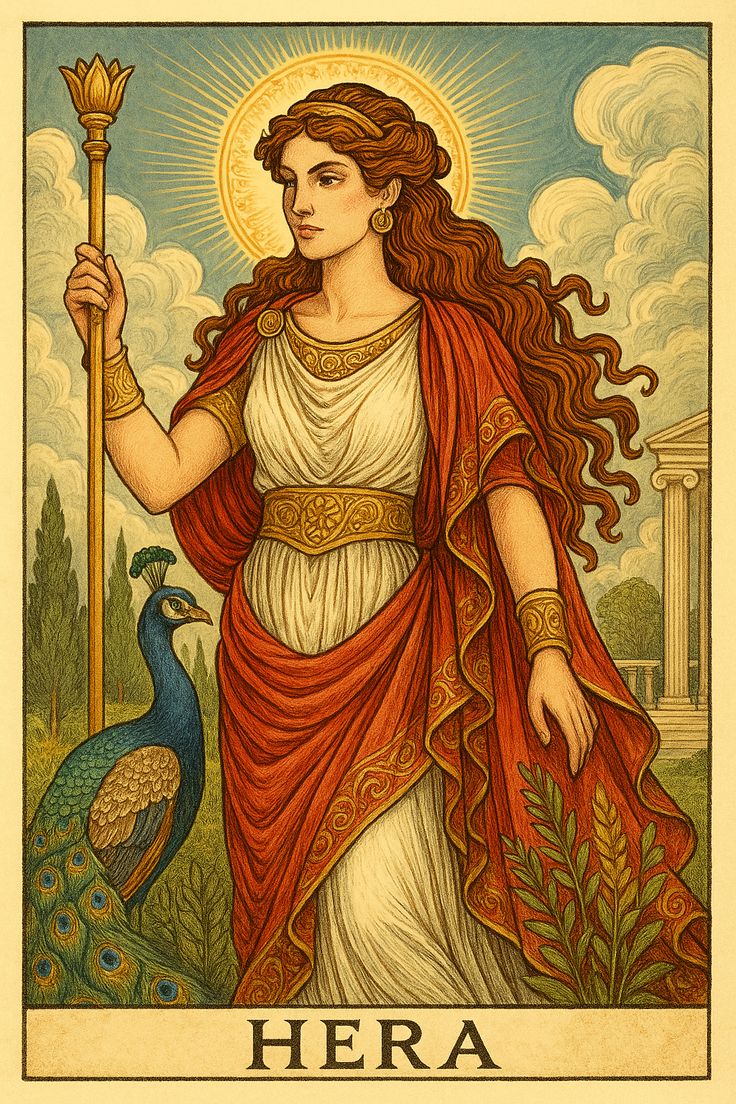
The "Curse of Juno" (or Hera in Greek mythology) is often woven into these narratives, though it’s important to note that the primary divine displeasure associated with the Palladium’s theft is usually attributed to Athena. However, Juno, known for her jealousy and vengeful nature, particularly concerning anything that brought glory to Troy (a city she often opposed), could easily be seen as adding her own ire to the situation. The fall of Troy, a cataclysmic event in ancient lore, was thus attributed not solely to military might but to the divine retribution unleashed by the theft of the Palladium and the subsequent wrath of the offended deities. The city was razed, its inhabitants slaughtered or enslaved, and its glorious era brought to a brutal end. Some variations of the myth suggest that the Palladium was later brought to Rome by Aeneas, the Trojan hero, where it continued to be a symbol of the city’s destiny, protected with great reverence.
The symbolism embedded within this myth is multifaceted. The Palladium itself represents divine protection, sacred trust, and the fragile nature of power when it relies on external artifacts rather than internal strength or moral rectitude. The act of stealing it embodies deceit, betrayal, and the violation of sacred boundaries. The fall of Troy serves as a potent allegory for the impermanence of even the mightiest civilizations, suggesting that pride, hubris, and divine disapproval can lead to utter ruin. Juno’s potential involvement could symbolize the broader forces of fate and the complex interplays of divine animosities that ancient peoples believed shaped human destinies. The story might have been used to caution against arrogance, to emphasize the importance of respecting divine laws, and to explain the rise and fall of empires as part of a cosmic order.
In the modern world, the Palladium and its associated myths continue to resonate, not as literal truths but as powerful narratives that fuel our imagination. These stories are frequently reinterpreted in literature, finding new life in epic poems, historical fiction, and fantasy novels. In cinema and television, the Trojan War and its legendary artifacts, including the Palladium, have been brought to life on screen, captivating audiences with tales of heroism, tragedy, and divine intervention. Video games often draw inspiration from these ancient myths, allowing players to immerse themselves in legendary battles and explore the rich tapestry of ancient lore. In academic circles, the myth is studied as a crucial element of cultural heritage, offering insights into the beliefs, values, and societal structures of ancient civilizations. It serves as a case study in comparative mythology, exploring recurring themes of divine retribution, the quest for invincibility, and the cyclical nature of power.
In conclusion, the Palladium and the Curse of Juno are fascinating examples of the rich storytelling tradition of ancient peoples. These narratives, born from a worldview where the divine was intimately involved in earthly affairs, offer a glimpse into the minds of those who sought to make sense of their existence. They speak of the enduring human fascination with fate, power, and the consequences of our actions. As Muslims, we recognize that only Allah (God) is the true Creator and Sustainer of the universe, the ultimate source of all power and authority. These ancient myths, while historically and culturally significant, are not to be mistaken for divine revelation or factual accounts. They are, however, valuable remnants of our collective human heritage, testaments to the enduring power of imagination and the timeless art of storytelling that continue to shape our understanding of ourselves and the world around us.