fufufafa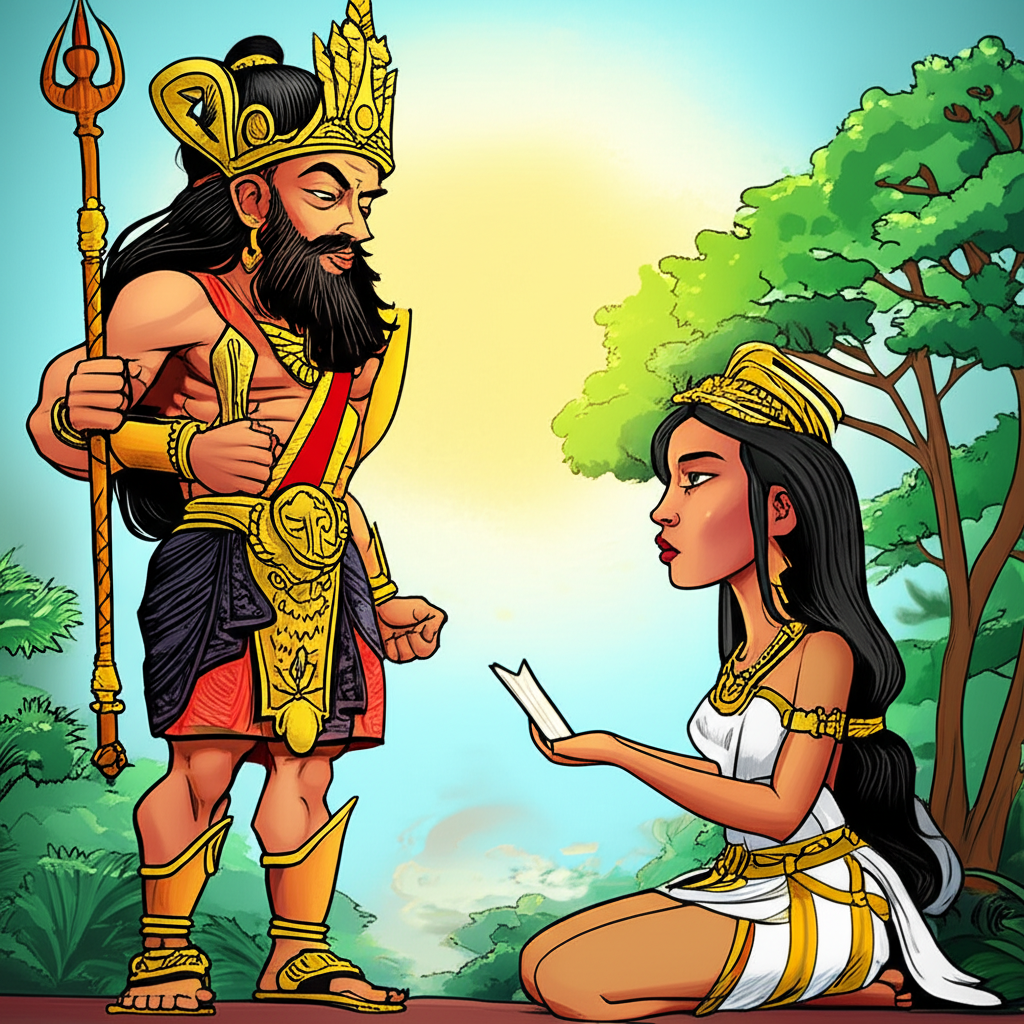
In the lush, verdant heart of the Philippines, nestled within the embrace of the Sierra Madre mountain range, lies Mount Makiling. For centuries, this majestic peak has been more than just a geographical feature; it has been a canvas for the rich tapestry of Filipino folklore, a silent witness to tales woven from reverence for nature, human aspiration, and the enduring power of legend. Among these narratives, the story of Maria Makiling, often intertwined with the primordial deity Bathala, stands as a profound testament to the ancestral imagination. This is not a historical account, nor a divine decree, but a traditional story passed down through generations, offering a glimpse into the worldview of ancient Filipinos.
The myths surrounding Maria Makiling and her connection to Bathala emerged from a time when the natural world was perceived as alive with potent forces and spirits. In the pre-colonial Philippines, communities lived in close harmony with their environment. The dense forests, the towering mountains, the life-giving rivers – these were not merely resources but sacred entities, imbued with their own consciousness and power. The world was seen as a realm where the divine and the earthly intertwined, a vibrant ecosystem where unseen forces influenced the ebb and flow of life. Bathala, in this context, was understood as the supreme creator, the ultimate power residing in the heavens, from whom all existence emanated. The natural world, in its awe-inspiring grandeur, was seen as a manifestation of Bathala’s presence and will. It was within this animistic and spiritual framework that stories of benevolent and powerful beings, like Maria Makiling, who acted as guardians of the land, began to flourish.
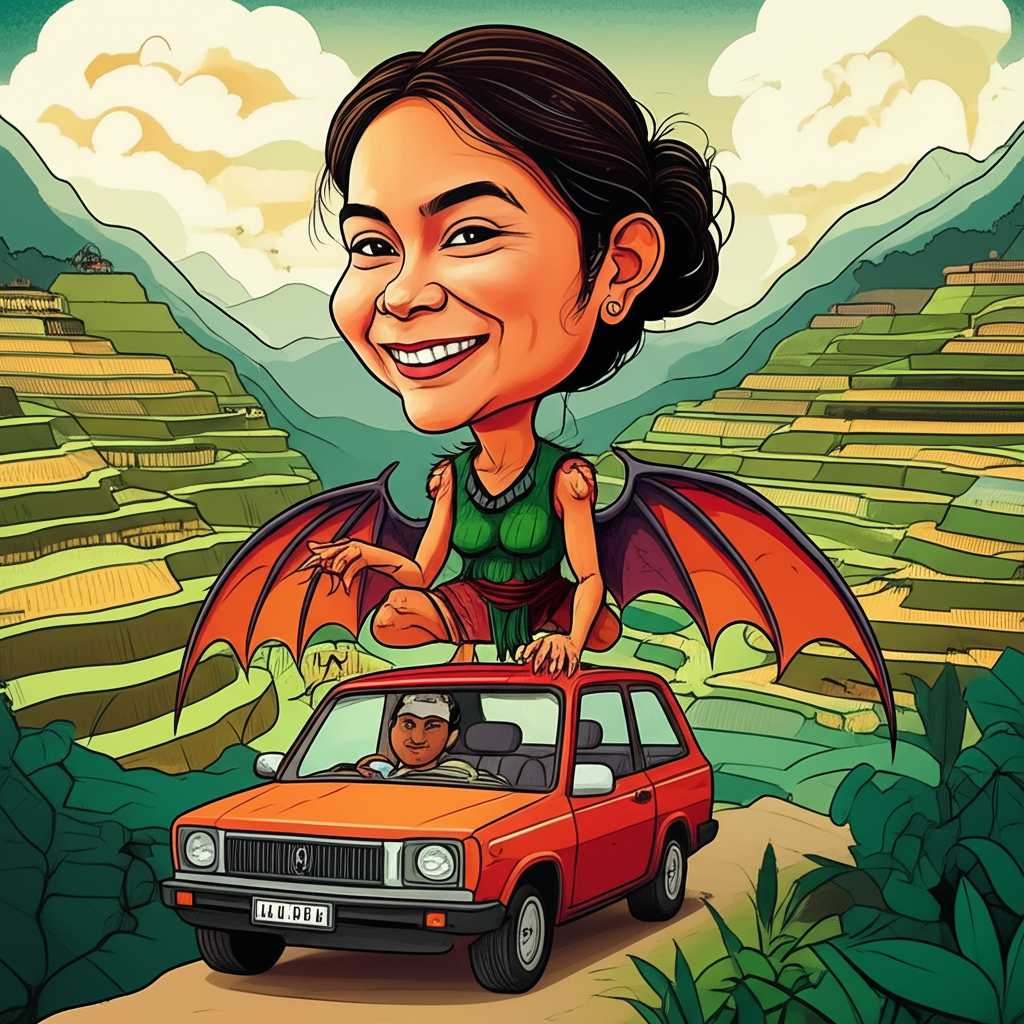
The figure of Maria Makiling, as envisioned in these legends, is that of a beautiful and powerful diwata or nature spirit, inextricably linked to the mountain that bears her name. She is often depicted as a maiden of unparalleled beauty, her presence heralded by the mists that shroud the peak, her laughter echoing in the rustling leaves, and her tears manifesting as the mountain’s gentle rains. Her attributes are symbolic of the mountain’s bounty and its formidable power. She is seen as the embodiment of the mountain’s life-giving properties – its fertile soil, its abundant flora and fauna, its pure waters. Simultaneously, she represents its untamed and protective spirit, capable of unleashing its fury upon those who would desecrate its sanctity or exploit its resources without respect. Her connection to Bathala signifies her divine mandate, a delegated authority to oversee and protect a sacred portion of creation.
The narrative of Bathala and the Oath of Legend of Maria Makiling often unfolds in a grand, primordial setting. In the beginning, it is said, Bathala, the supreme creator, surveyed his vast creation, the archipelago of islands teeming with life. He saw the need for guardians, beings of immense power and purity, to watch over his most precious creations. Thus, he appointed spirits and deities to specific realms. To the majestic Mount Makiling, he entrusted its stewardship to a benevolent spirit, whom the people would come to know as Maria Makiling.
Bathala, in his infinite wisdom, bestowed upon Maria Makiling a sacred trust: to protect the mountain, its inhabitants, and the bounty it offered. He commanded her to be the guardian of its forests, the keeper of its springs, and the protector of the creatures that dwelled within its embrace. In return for this profound responsibility, Maria Makiling swore an oath, a solemn pledge to uphold the sanctity of her domain. This oath was not merely a verbal promise but a deep, intrinsic commitment woven into the very fabric of her being.
It is said that on the nights when the moon hung full and bright, Maria Makiling would walk the slopes of her mountain. Her presence would manifest in the gentle sway of the bamboo groves, the soft glow of fireflies dancing in the twilight, and the sweet scent of unseen blossoms carried on the breeze. She would offer blessings to the farmers who tilled the land around the mountain’s base, ensuring their crops were plentiful and their harvests bountiful. She would guide lost travelers back to their paths, her ethereal form appearing as a fleeting glimpse in the mist, her voice a whisper of reassurance.
However, the legend also speaks of Maria Makiling’s fierce protectiveness. When outsiders, driven by greed or disrespect, threatened to harm the mountain – by felling its ancient trees without cause, polluting its pristine waters, or hunting its creatures for sport – Maria Makiling would rise in her righteous anger. Her wrath was not a capricious outburst but a manifestation of the mountain’s own defense mechanisms. The earth would tremble, the winds would howl, and the mists would thicken into an impenetrable veil, disorienting and deterring those who sought to cause harm. In her anger, she could conjure illusions, leading trespassers astray into impenetrable thickets or conjuring phantom dangers to drive them away. This was her oath in action, her unwavering commitment to Bathala’s charge.
The symbolism embedded within this legend is rich and multifaceted. Maria Makiling, as a nature spirit, represents the deep reverence ancient Filipinos held for the natural world. Her connection to Bathala underscores the belief in a supreme, overarching divine power that ordained and sustained all of creation. Her role as a guardian speaks to the importance of balance, stewardship, and the consequences of disrespecting the environment. The oath itself signifies a covenant, a binding agreement between the spiritual and the physical realms, highlighting the responsibility that comes with power and privilege. She embodied the duality of nature – its nurturing generosity and its formidable, untamed power.
In contemporary times, the legend of Maria Makiling continues to resonate, albeit through a different lens. She has transcended the realm of oral tradition to become a prominent figure in Filipino literature, film, and popular culture. Modern interpretations often explore themes of environmentalism, national identity, and the enduring spirit of the Filipino people. She appears in novels, television series, and even video games, her image often invoked to represent the beauty and resilience of the Philippine landscape. Cultural studies scholars analyze her myth as a window into the pre-colonial spiritual beliefs and social values of the archipelago, highlighting the ways in which stories shape identity and transmit cultural wisdom.
It is crucial to reiterate that the story of Bathala and the Oath of Legend of Maria Makiling is a cultural narrative, a product of human imagination and storytelling traditions. As Muslims, we recognize that only Allah is the true Creator and Sustainer of all that exists. Our understanding of the universe is guided by divine revelation and the teachings of Islam. Nevertheless, we acknowledge the profound cultural and historical significance of these ancient myths. They offer invaluable insights into the worldview of our ancestors, their relationship with the environment, and their enduring capacity for storytelling. These legends serve as a reminder of our rich cultural heritage, the power of human imagination, and the timeless tradition of weaving tales that reflect our hopes, fears, and our place in the grand tapestry of existence.