
 fufufafa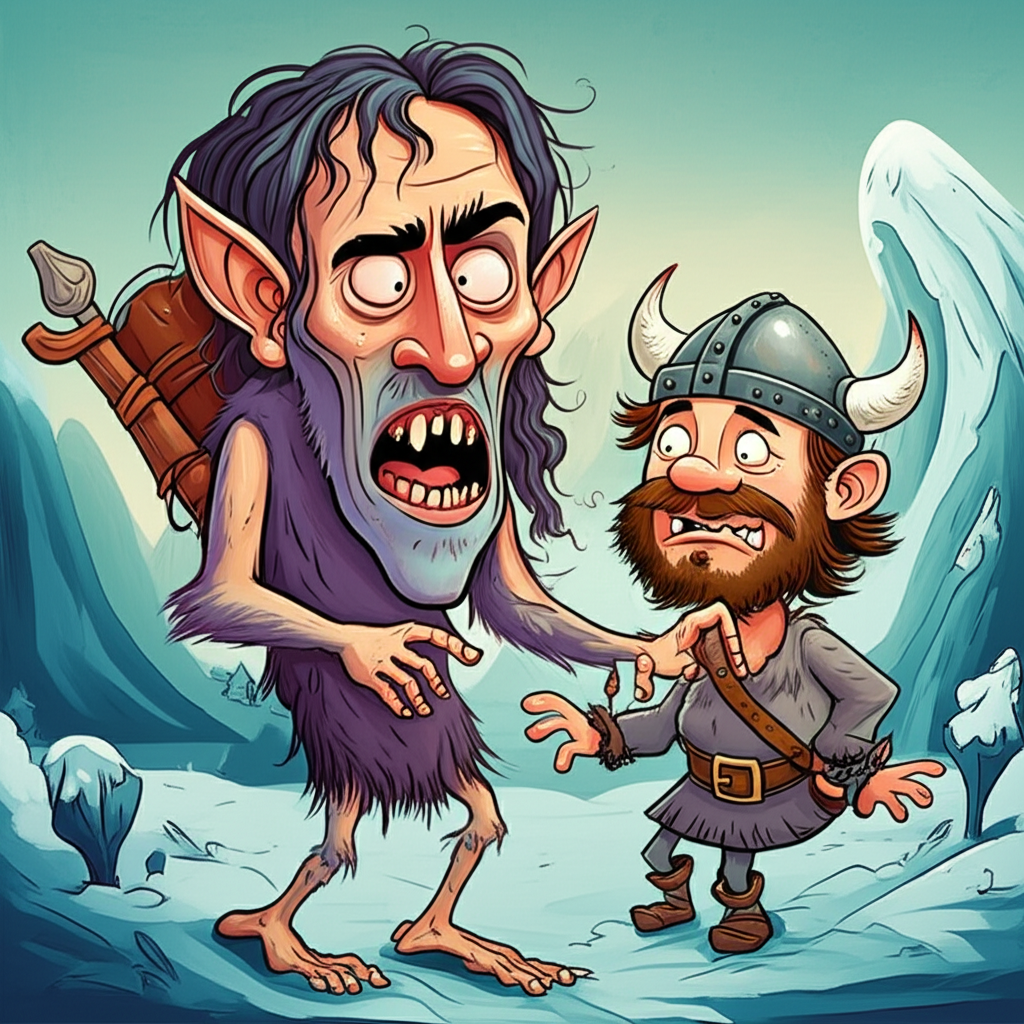
The biting wind howls across the desolate, ice-scarred plains, a mournful dirge that seems to carry echoes of ancient sagas. From the frigid northlands, where myth and reality blurred in the long, twilight winters, comes the tale of the Draugr of Jotunheim. This is not a chronicle of historical events, nor a testament to divine intervention. Rather, it is a glimpse into the rich tapestry of Norse mythology, a collection of stories woven by ancient peoples to understand their world, their fears, and their place within a vast, often unforgiving cosmos.
The sagas of the North, passed down through generations in oral tradition and later painstakingly inscribed on stone and parchment, paint a vivid picture of a world dominated by the raw power of nature. The early Norse, living in a harsh, mountainous landscape often shrouded in snow and mist, viewed the world as a dynamic, often perilous place. Their cosmology was populated by gods, giants, dwarves, elves, and a host of other beings, each with their own domains and influences. The line between the living and the dead was not always a clear one, and the lingering presence of those who had passed, especially those who met violent ends or died with unfulfilled grudges, was a source of both fear and fascination. The Draugr, in particular, represented a potent manifestation of this liminal space, a chilling reminder of the consequences of a life poorly lived or a death unjustly met.
The Draugr, as depicted in these ancient tales, are not mere phantoms or spirits. They are reanimated corpses, often the remains of powerful warriors, kings, or sorcerers who, through their strength, malevolence, or sheer stubbornness, refuse to remain in their graves. They are described as having a physical presence, albeit one warped and corrupted by death. Their skin is often pale and stretched taut over bone, their eyes glow with an unholy light, and their strength can be prodigious, exceeding that of many living men. They are said to possess a chilling cold, radiating an aura of decay and despair. Symbolically, the Draugr embody the enduring nature of past grievances, the corrupting influence of greed or ambition, and the primal fear of the unknown and the vengeful dead. They are the physical manifestation of a life’s regrets, eternally bound to the earthly realm.
Imagine, then, a lone traveler, perhaps a seasoned hunter or a weary warrior seeking shelter from a blizzard, venturing into the desolate reaches of Jotunheim, the mythical realm of the giants. The air is thin and sharp, the snow crunches underfoot with a sound like breaking bone. Jagged peaks pierce the bruised, grey sky, and the wind carries the scent of ancient ice and something else… something cold and unpleasant. Drawn by the faint flicker of what appears to be a distant fire, or perhaps simply seeking refuge from the relentless storm, the traveler stumbles upon a hidden cave or an ancient burial mound, its entrance half-obscured by snowdrifts.
Inside, the air is unnaturally still, the silence a heavy blanket that presses in on the ears. The supposed fire is not a fire at all, but a faint, phosphorescent glow emanating from within the depths of the cavern. As the traveler’s eyes adjust to the gloom, a figure begins to coalesce from the shadows. It is a Draugr. Its form is gaunt, its limbs stiff and unnaturally long. The tattered remnants of burial wrappings cling to its desiccated form, and its face is a mask of decay, the skin pulled back from yellowed teeth. The eyes, however, are what truly arrest the breath – two burning embers of malevolent intent, fixed upon the intruder. A low, guttural groan emanates from its throat, a sound that seems to scrape against the very foundations of the earth.
The Draugr rises, its movements jerky and unnatural, yet imbued with a terrifying, relentless power. It might lunge, its skeletal fingers reaching out with chilling speed, or it might simply stand, its mere presence radiating a palpable aura of dread and decay. The traveler, armed with only their wits and perhaps a sturdy axe, finds themselves in a desperate struggle against a foe that knows no fear of pain or death, a creature fueled by an ancient, festering resentment. The fight, if it ensues, is not one of honorable combat, but a primal clash against an unyielding force of undeath.
The symbolism inherent in the Draugr of Jotunheim is multifaceted. To the ancient Norse, these reanimated beings could represent the lingering power of the past, the weight of unfinished business, or the consequences of transgressions against the natural order. They served as cautionary figures, reminding people of the importance of proper burial rites and the dangers of disturbing the dead. Their strength and resilience could also symbolize the enduring spirit of a warrior or the formidable power of the natural world itself, untamed and potentially destructive. The cold they emanated might represent the emotional barrenness of hatred or the frigid grip of death.
In modern times, the Draugr, like many figures from Norse mythology, have found new life in popular culture. They appear in video games as formidable enemies, their icy presence and relentless attacks providing a challenging encounter for players. In literature, they are often portrayed as terrifying antagonists, their ancient power and unsettling appearance lending themselves to gothic horror and dark fantasy narratives. Academically, they are studied as fascinating examples of ancient beliefs surrounding death, the afterlife, and the human psyche’s response to the unknown. These interpretations, while imaginative, are a testament to the enduring power of these ancient stories and the archetypal fears they tap into.
It is crucial to reiterate that the Draugr of Jotunheim are figures of mythology and folklore, products of the imagination of ancient peoples. They are not real beings, nor are their stories meant to be taken as literal truth. As Muslims, we recognize that only Allah, the Almighty, is the true Creator and Sustainer of all that exists. Our understanding of the world is guided by divine revelation, not by ancient tales.
Yet, there is value in exploring these narratives. They offer a window into the cultural heritage of past societies, revealing their worldview, their anxieties, and their attempts to make sense of the mysteries of life and death. The stories of the Draugr, like all myths and legends, are a testament to the enduring human need to tell stories, to share experiences, and to explore the boundless landscape of imagination. They remind us of the rich tapestry of human culture and the power of storytelling to connect us to our ancestors and to the enduring human spirit.


