
 fufufafa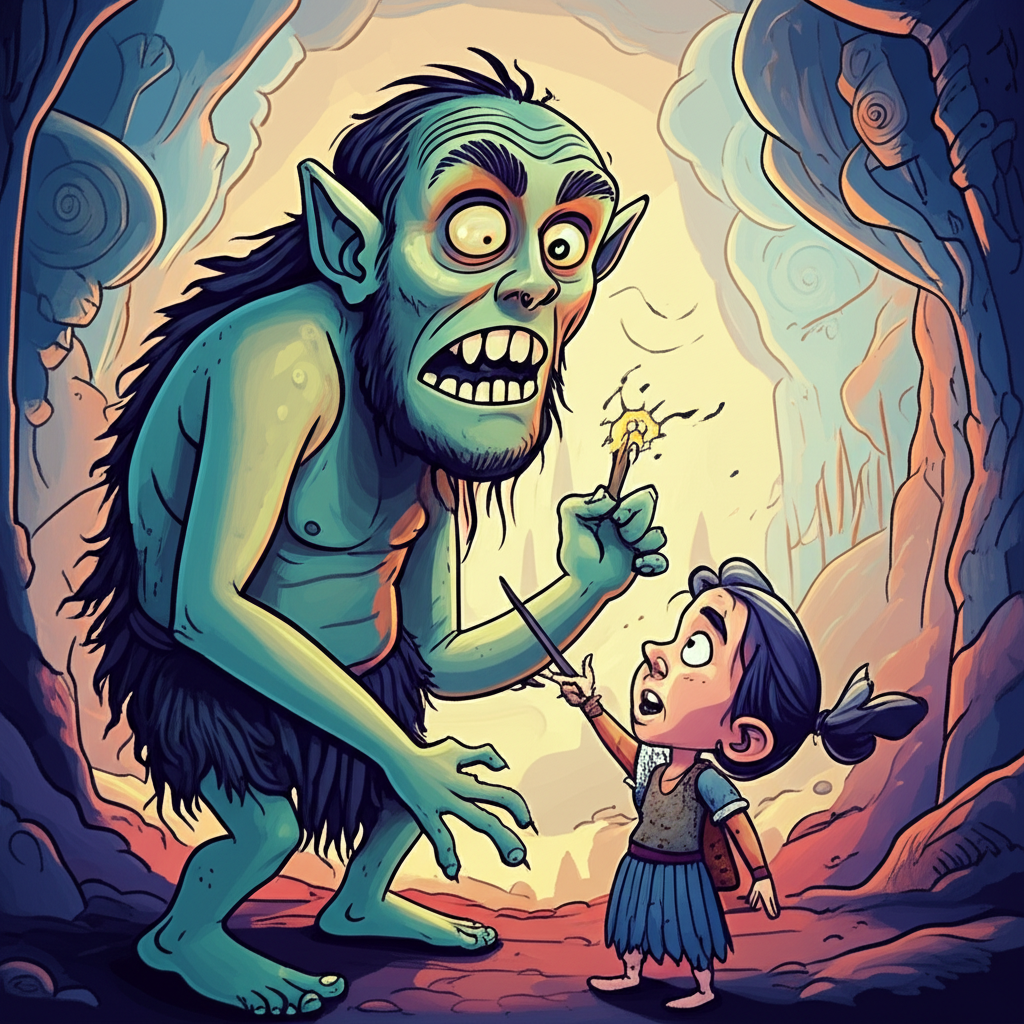
The biting wind howled across the fjords, a mournful dirge that seemed to echo the tales of the ancient Norse people. It is from their sagas, their epic poems, and their whispered lore that we draw the story of the Draugr of Helheim – beings born from the chilling embrace of the underworld, a testament to a worldview steeped in the harsh realities of their environment and their profound respect for the forces of nature and the afterlife.
These were not merely stories told around crackling hearth fires; they were the very fabric of understanding for a people who lived in a land of stark beauty and unforgiving winters. The Norse world, during the Viking Age and before, was a place where the lines between the physical and the spiritual were blurred. Their understanding of existence was shaped by the raw power of the elements – the raging seas, the thundering storms, the deep, dark forests, and the unforgiving ice. Death was not an end, but a transition, a journey to realms governed by powerful deities and filled with both glory and dread. The underworld, known as Helheim, ruled by the formidable goddess Hel, was a place of cold and shadow, a stark contrast to the valorous halls of Valhalla. It was within this grim landscape that the Draugr were said to dwell.
The Draugr, as described in these ancient tales, are not mere spirits or ghosts in the common sense. They are the animated dead, beings who refuse to find peace in the afterlife, their physical forms imbued with an unnatural and malevolent strength. Imagine them as walking corpses, their flesh leathery and cold, their eyes burning with an ancient, unyielding malice. They are often depicted as larger than life, their strength far exceeding that of any mortal man. Some sagas speak of them exuding an aura of dread, a chilling presence that saps the warmth and courage from those who encounter them. Their bodies might be decaying, yet they move with a disturbing agility, their touch leaving a frostbite of pure terror. They are guardians of their burial mounds, protectors of their earthly treasures, and eternal tormentors of the living who dare disturb their rest. Their attributes are not to be seen as divine, but as symbolic representations of the lingering grudges, the unfulfilled desires, and the sheer, terrifying persistence of death itself.
Let us journey, then, into the heart of such a legend. Our story unfolds on a bleak, moonless night, far from the comforting glow of any settlement. Bjorn, a seasoned warrior known for his stoicism and his skill with an axe, found himself separated from his warband during a fierce blizzard. The snow whipped around him, blinding and disorienting, until he stumbled upon a low, ancient burial mound, half-hidden by drifts of snow. Seeking shelter from the relentless storm, he pushed aside the weathered stones and entered the cold, dark interior. The air within was thick with the scent of damp earth and something else… something ancient and stagnant.
As his eyes adjusted to the gloom, he saw it. A figure, hunched and indistinct, sat upon a pile of what appeared to be tarnished gold and weapons. It was a Draugr. Its form was gaunt, its skin like stretched parchment over bone. Yet, its eyes, two pinpricks of malevolent light, fixed upon Bjorn. A low, guttural groan, like stones grinding together, emanated from its throat. Bjorn, despite his hardened heart, felt a primal fear seize him. He had heard the tales of these creatures, stories dismissed by many as superstitious ramblings, but standing before one, the reality was chillingly potent.
The Draugr rose, a hulking silhouette against the dim light. Its movements were stiff, yet possessed of a horrifying power. It raised a hand, its fingers like brittle twigs, and Bjorn could feel the unnatural cold emanating from it. He gripped his axe, the familiar weight a small comfort against the encroaching dread. The creature lunged, not with the swiftness of a living foe, but with a relentless, unstoppable force. Bjorn parried its blow, the impact jarring his arms. The Draugr’s strength was immense, far greater than any man he had ever faced. It was a struggle against something that defied the natural order, a battle against the very essence of decay and undeath. Bjorn fought with the desperation of one who understood the stakes – this was not just a fight for survival, but a fight against a force that sought to drag him into the frigid abyss of Helheim. He struck with all his might, his axe biting into the unnatural flesh. Yet, the creature seemed to barely flinch, its malevolent gaze never wavering. It was a grim, exhausting dance, each blow met with an unyielding, chilling resistance.
This encounter, though a fictional retelling, likely represented to the ancient Norse people several profound concepts. The Draugr could have symbolized the fear of death and the unknown that lay beyond. They may have represented the lingering influence of ancestors and the importance of respecting their resting places. The immense strength of the Draugr could have reflected the destructive power of nature itself, a force that, like death, was both inevitable and formidable. Furthermore, tales of fighting such creatures might have served as cautionary narratives, emphasizing the importance of courage, resourcefulness, and perhaps even appeasing the spirits of the dead to ensure safe passage through life.
Today, the Draugr, like many figures from Norse mythology, have found new life in our modern cultural landscape. They are prominent figures in video games, where their formidable strength and terrifying appearance make them challenging adversaries. In literature and film, they often serve as antagonists, embodying the primal fear of the undead and the grimness of forgotten realms. Scholars and enthusiasts of mythology continue to study these tales, seeking to understand the worldview, the fears, and the cultural values of the societies that created them.
It is vital to reiterate that the story of the Draugr of Helheim is a traditional narrative, a product of ancient imagination and cultural understanding. As Muslims, we recognize that the ultimate truth lies in the divine power of Allah, the one true Creator and Sustainer of all existence. There is no power or entity other than Him. These tales, however, offer a fascinating glimpse into the rich tapestry of human storytelling and our enduring fascination with the mysteries of life, death, and the realms beyond. They speak to our shared human capacity for imagination, our need to make sense of the world around us, and our timeless tradition of passing down stories that reflect our deepest hopes and our most profound fears, from generation to generation.


