fufufafa
In the sun-drenched plains of northern India, nestled along the sacred Yamuna River, lies the ancient city of Mathura. For millennia, this land has been a crucible of stories, a vibrant tapestry woven with the threads of mythology and folklore. Among these timeless narratives, the legend of the Rakshasa of Mathura stands as a chilling whisper, a tale told by ancient peoples to explain the inexplicable, to personify their fears, and to celebrate the triumphs of the brave. This is not a historical account, nor a doctrine to be followed, but a story from the rich cultural heritage of India, passed down through generations as a testament to human imagination and the enduring power of narrative.
The cultural era in which such myths flourished was one where the world was perceived through a lens of profound spiritual interconnectedness and a palpable sense of the unseen. Life was governed by natural cycles, the capriciousness of weather, and the ever-present mystery of existence. The ancient Indian worldview was characterized by a deep respect for nature, seen not just as a backdrop to human life but as imbued with potent forces, both benevolent and malevolent. Spirits, deities, and beings of other realms were not abstract concepts but active participants in the world, capable of influencing human destiny. In this context, the emergence of a fearsome entity like a Rakshasa was not an anomaly but a natural consequence of a world teeming with both the divine and the dangerous. The environment itself, with its dense forests, wild animals, and the unpredictable flow of rivers, could easily be seen as a habitat for beings beyond ordinary human comprehension.
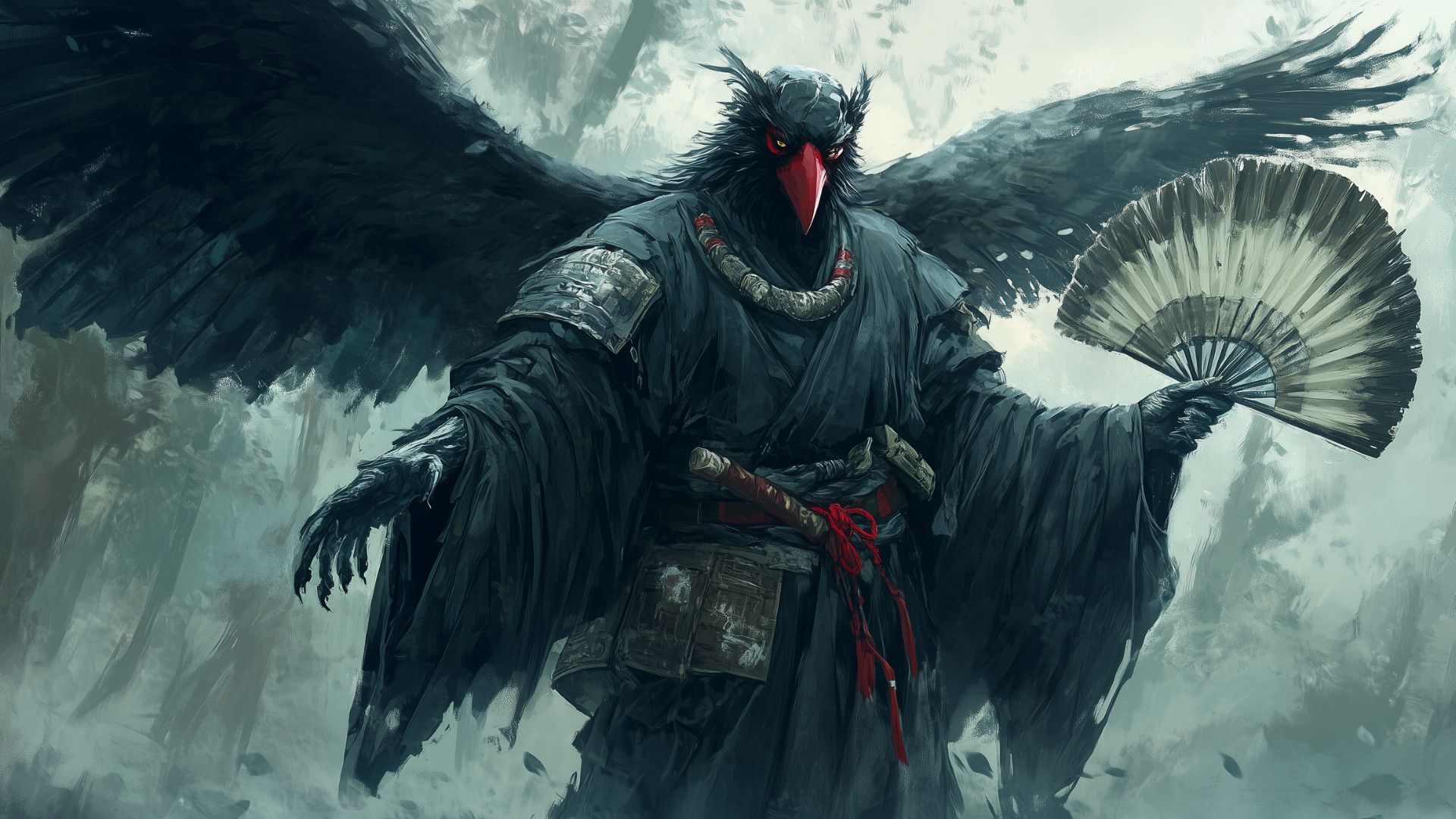
The Rakshasa of Mathura, as depicted in these ancient tales, was a creature of shadow and dread. These beings, often described as powerful and malevolent entities, were not born of flesh and blood in the way mortals were. Their forms were frequently depicted as grotesque and terrifying, capable of shapeshifting to instill maximum fear. They possessed immense strength, cunning intellect, and a penchant for causing chaos and suffering. In the context of Mathura, a city deeply associated with divine epics, the Rakshasa represented an embodiment of the darkness that constantly threatened to engulf the light. Its attributes were symbolic of the primal fears that haunted humanity: the fear of the unknown, the fear of predation, the fear of forces that sought to disrupt the natural order and human well-being. It was the personification of the disruptive element, the chaos that stood in opposition to the harmony and righteousness that people strived for.
The narrative of the Hunt for the Rakshasa of Mathura often unfolds with a palpable sense of unease gripping the city. Imagine the scene: the Yamuna River, usually a source of life and sustenance, now murmurs with an undercurrent of dread. The nights are no longer peaceful; they are punctuated by unsettling sounds, unexplained disappearances, and a pervasive sense of terror. The Rakshasa, cloaked in its terrifying guise, prowls the outskirts of Mathura, its presence a blight upon the land. It is said to be a creature of immense power, capable of sowing discord and despair. Crops wither under its gaze, livestock vanish, and an unsettling silence descends upon villages when its shadow falls. The people of Mathura, once prosperous and devout, find themselves living in constant apprehension, their prayers for protection growing more fervent with each passing moon.
Then, in response to this mounting despair, a figure emerges – not necessarily a divine being in the human form, but a champion, a warrior, or a wise individual driven by courage and a deep sense of duty. This protagonist, often imbued with extraordinary skill or guided by divine inspiration (though we present this as a narrative element, not a literal divine intervention), embarks on the perilous quest to confront and vanquish the Rakshasa. The hunt is not a mere physical chase; it is a battle of wits and will, a journey through treacherous terrains and into the very heart of darkness. The protagonist might face illusions created by the Rakshasa, navigate enchanted forests, or decipher cryptic riddles. The climactic confrontation would be a fierce struggle, a display of strength and resilience against overwhelming odds. The Rakshasa, with its shapeshifting abilities and immense power, would test the protagonist to their limits. The story culminates not with the glorification of the Rakshasa, but with its defeat, symbolizing the restoration of order and the triumph of good over the forces that sought to sow destruction.
To the ancient peoples who shared these stories, the Rakshasa of Mathura likely represented a complex tapestry of meanings. It could symbolize the untamed forces of nature – the ferocity of storms, the danger of wild predators, or the unpredictability of the river itself. It could also embody societal fears: the threat of invasion, the ravages of disease, or the internal conflicts that could tear a community apart. The Rakshasa served as a powerful metaphor for the challenges that humanity faced, both external and internal. The hunt for it, therefore, was not just a tale of adventure but a symbolic representation of the ongoing struggle to overcome adversity, to maintain order, and to protect the fragile balance of life. The triumph of the protagonist signified the resilience of the human spirit and the enduring hope for a world free from fear and suffering.
In the modern era, the legend of the Rakshasa of Mathura continues to resonate, albeit in different forms. It finds expression in literature, where authors draw inspiration from its themes of good versus evil and the archetypal hero’s journey. In popular culture, these ancient beings often appear in fantasy novels, video games, and animated films, reimagined with new interpretations and visual styles. For cultural studies scholars, these myths offer invaluable insights into the psychology, beliefs, and social structures of ancient societies. They are a window into the collective imagination of a people, revealing what they valued, what they feared, and how they made sense of their world.
In conclusion, the tale of the Hunt for the Rakshasa of Mathura is a captivating piece of India’s rich cultural heritage. It is a testament to the power of storytelling and the enduring human need to explore themes of courage, fear, and the eternal struggle between order and chaos. As Muslims, we recognize that only Allah is the true Creator and Sustainer of all that exists. These ancient narratives, therefore, are appreciated for their cultural significance, their imaginative scope, and their contribution to our understanding of human history and the evolution of storytelling traditions, rather than as representations of divine truth. They remind us of the vibrant tapestry of human experience and the timeless art of weaving tales that continue to captivate and inform us, generation after generation.