fufufafa
The snow-capped grandeur of Mount Kailash, a celestial peak revered in several ancient Indian traditions, has long been a canvas for the imagination, a place where the earthly and the divine are said to converge. Amidst the hushed reverence and the biting winds of this sacred mountain, a particular legend has echoed through the ages: the hunt for the Rakshasa of Kailash. This is not a tale of historical events, but rather a vibrant thread woven into the rich tapestry of Hindu folklore, a narrative passed down through generations by storytellers and ascetics who sought to understand the world through allegory and myth.
To understand the genesis of such tales, we must journey back in time to an era where the natural world was imbued with potent forces, and the lines between the tangible and the mystical were far more fluid. The ancient Indian subcontinent was a land of dense forests, mighty rivers, and towering mountains, all of which held a profound spiritual significance for its inhabitants. In this worldview, the cosmos was alive, populated by celestial beings, benevolent deities, and malevolent entities, each playing a role in the grand cosmic dance. The mountains, in particular, were often seen as abodes of gods, sacred spaces where the veil between worlds was thin. It was within this context of animism, deep reverence for nature, and a desire to explain the inexplicable that stories like the Rakshasa of Kailash were born.
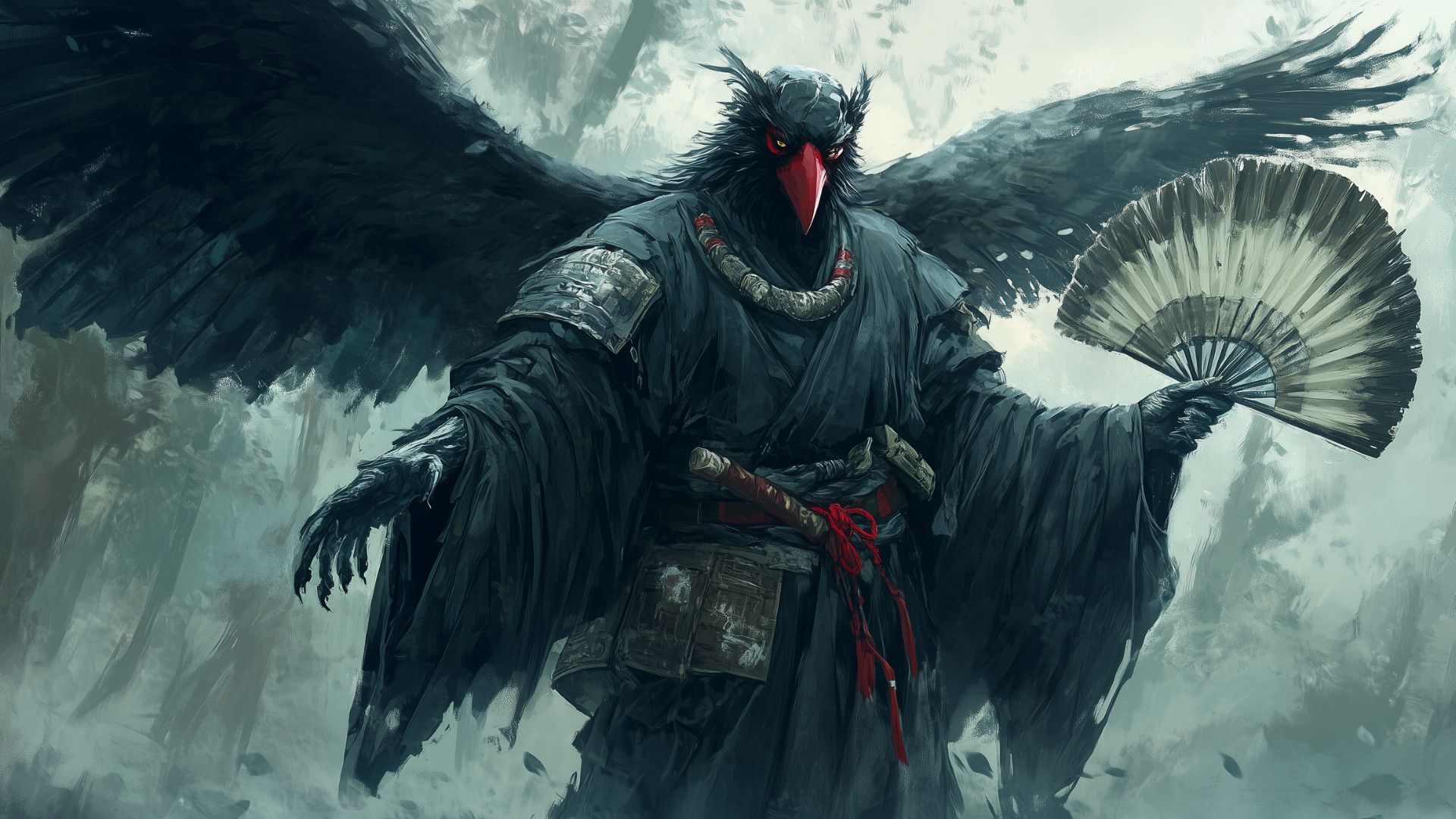
The Rakshasa, as depicted in these ancient narratives, is a figure that embodies primal fears and cautionary tales. It is not a creature to be worshipped or emulated, but rather a symbolic representation of the darker, more chaotic aspects of existence. In the lore surrounding Kailash, the Rakshasa is often described as a being of immense power and terrifying visage. Imagine a creature of shadow and stone, its form shifting like the mountain mists, with eyes that gleam like embers in the dark. Its limbs might be gnarled and strong, capable of rending rock, and its voice a guttural roar that echoes through the desolate valleys. Such descriptions are not meant to portray a literal beast, but rather to evoke a sense of primal danger and untamed wildness. The Rakshasa, in this context, can be seen as symbolizing forces that threaten order, disrupt peace, or embody destructive impulses, be they external threats to a community or internal struggles within an individual.
The narrative of the hunt for the Rakshasa of Kailash often unfolds as a perilous quest undertaken by heroes, ascetics, or even divine emissaries. Picture this: the once serene slopes of Kailash, usually a sanctuary of spiritual contemplation, are now disturbed by an unseen menace. Whispers of disruption begin to circulate amongst the hermits and pilgrims who frequent the mountain. Animals grow restless, the winds carry an unnatural chill, and a pervasive sense of unease settles upon the land. These are the first signs that the Rakshasa has made its presence known. The story might then detail the courageous journey of a chosen individual, perhaps a sage renowned for his wisdom or a warrior blessed with divine favor. Their path is fraught with trials: treacherous ravines, illusionary paths created by the Rakshasa’s cunning, and encounters with the creature’s monstrous minions. The climax of the story often involves a confrontation, a battle of wills and might, where the protagonist must overcome not only the physical prowess of the Rakshasa but also its ability to sow fear and doubt. The resolution might see the Rakshasa vanquished, driven back into the desolate realms from whence it came, or perhaps bound by ancient spells, its power contained.
The symbolism embedded within this tale is multifaceted. The Rakshasa, as a creature of chaos and disruption, could represent the untamed forces of nature that ancient communities had to contend with – harsh weather, wild animals, or natural disasters. Its presence on Kailash, a mountain associated with purity and divinity, could symbolize the eternal struggle between good and evil, order and disorder, or the constant threat of negativity encroaching upon sacred spaces. The hero’s quest to hunt and subdue the Rakshasa might then represent humanity’s enduring desire to overcome adversity, to protect the innocent, and to restore balance to the world. Furthermore, the Rakshasa’s ability to create illusions or sow fear could be interpreted as a metaphor for the psychological challenges individuals face – overcoming personal demons, dispelling ignorance, or conquering their own anxieties.
In the modern era, the legacy of such myths endures, finding new life in various forms of creative expression. The Rakshasa of Kailash, as a potent symbol of monstrous power and ancient peril, has likely inspired characters and plotlines in literature, from epic fantasy novels to mythological retellings. Its terrifying imagery and the inherent drama of a heroic hunt make it a compelling figure for animated films and video games, where players might embark on quests to defeat similar mythical beasts. In cultural studies and anthropology, these stories serve as invaluable windows into the belief systems, fears, and aspirations of past societies, offering insights into how ancient people perceived their world and their place within it.
It is crucial to reiterate that the story of the Rakshasa of Kailash is a traditional narrative, a product of the rich cultural heritage of ancient India, and not a reflection of reality. As Muslims, we firmly believe that only Allah (God) is the true Creator and Sustainer of all that exists. Our understanding of the world is grounded in the divine revelation of the Quran and the teachings of Prophet Muhammad (peace be upon him). These ancient tales, while fascinating from a cultural and historical perspective, do not hold any divine authority or truth for us.
Ultimately, the enduring power of the Rakshasa of Kailash legend lies not in its literal truth, but in its capacity to spark imagination and to convey timeless themes. It reminds us of the human instinct to tell stories, to grapple with the unknown, and to find meaning in the face of perceived threats. It is a testament to the boundless creativity of the human mind and the enduring tradition of storytelling that continues to shape our understanding of ourselves and the world around us, connecting us to the rich tapestry of human cultural heritage.