fufufafa
In the tapestry of ancient Indian lore, woven with threads of divine encounters, heroic deeds, and the ever-present struggle between cosmic order and chaotic disruption, lies a narrative whispered through generations: the tale of the Rakshasa of Vaikuntha. This story, like countless others, emerged from a time when the boundaries between the tangible and the ethereal were fluid, a testament to the rich imagination and deep philosophical musings of the people who shaped these traditions. It is a legend born of the Vedic and Puranic eras, a period characterized by a worldview deeply intertwined with the cycles of nature, the complexities of human virtue and vice, and the profound belief in a divine cosmos populated by celestial beings, benevolent and malevolent alike.
The cultural milieu from which this myth springs is one of profound spiritual exploration and societal structure. Imagine a land where vast, verdant forests met fertile river valleys, where the rhythm of life was dictated by the monsoons and the celestial dance of stars. In this environment, where the forces of nature could be both life-giving and devastating, people sought to understand their place in the universe. Their world was not merely a physical space but a realm imbued with spiritual significance. Deities resided in the heavens, performing cosmic duties, while various beings, from the benevolent Gandharvas to the formidable Rakshasas, occupied different strata of existence. The Rakshasas, in particular, were often depicted as powerful, sometimes monstrous beings, embodying primal forces, chaos, and the darker impulses that could challenge the established order. Vaikuntha, the celestial abode of Lord Vishnu, the preserver of the universe, represents the pinnacle of divine purity and cosmic harmony. The very notion of a Rakshasa, a creature of disruption, manifesting within or threatening such a sacred realm is a potent narrative device, hinting at the pervasive nature of conflict and the eternal vigilance required to maintain balance.
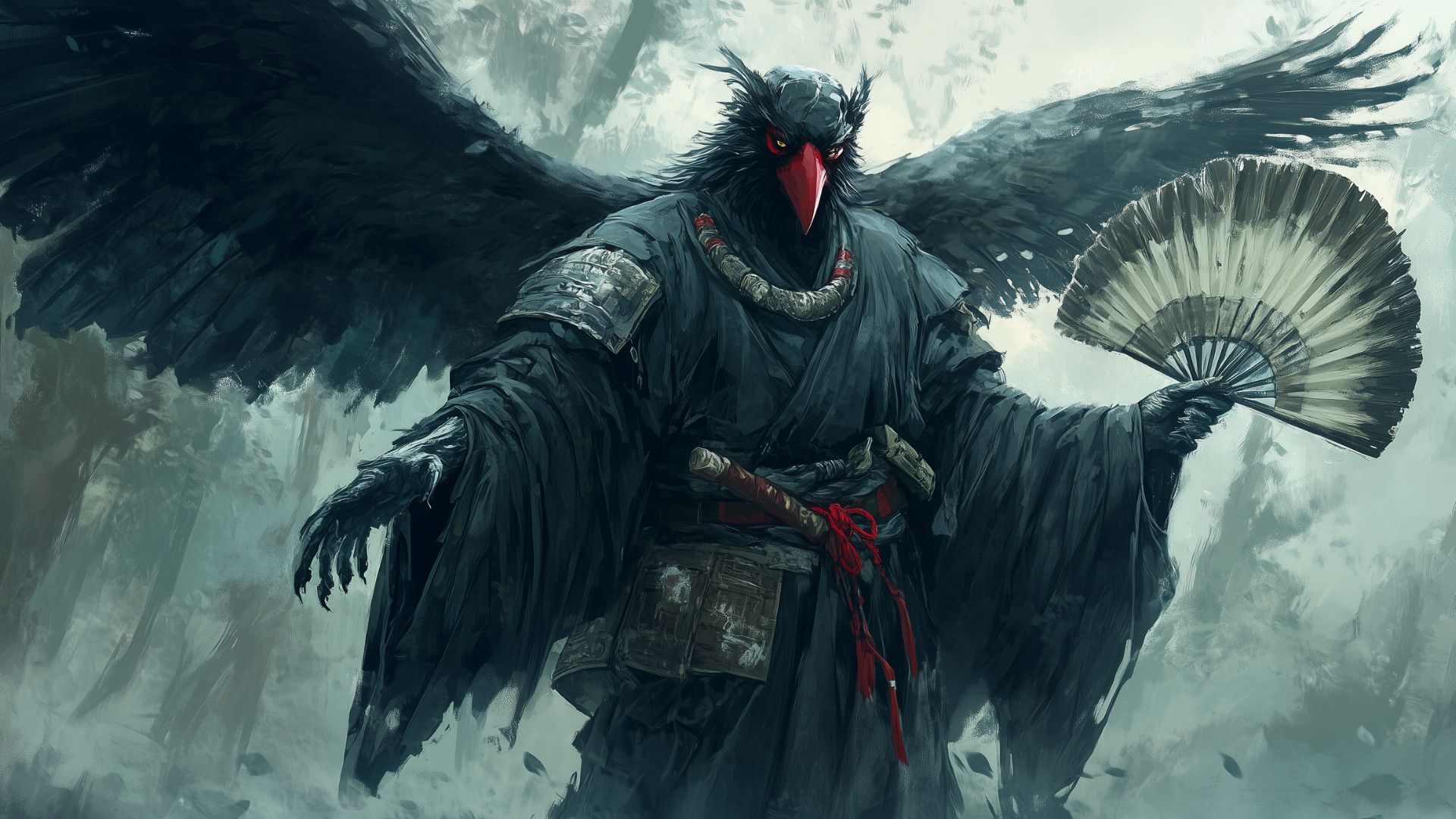
The Rakshasa, as envisioned in these ancient narratives, is a figure of formidable and often terrifying presence. These beings are not merely beasts; they possess intelligence, cunning, and immense power, often capable of shapeshifting and wielding potent illusions. Their physical forms are typically described as grotesque and fearsome, with sharp fangs, glowing eyes, and a formidable physique. However, their true menace lies not just in their physical prowess but in their symbolic attributes. Rakshasas represent the primal urges, the destructive tendencies that exist within the cosmos and, by extension, within the human heart. They are the embodiment of greed, anger, delusion, and the forces that seek to subvert righteousness and plunge the world into darkness. The Rakshasa of Vaikuntha, by its very presence in such a hallowed space, signifies the ultimate audacity of chaos, the attempt to contaminate the very source of order. Its attributes are not to be interpreted as literal characteristics of a living entity, but rather as symbolic representations of the challenges faced in maintaining spiritual and ethical integrity.
The hunt for the Rakshasa of Vaikuntha unfolds not as a mere physical pursuit, but as a cosmic drama played out against the backdrop of celestial realms. The legend speaks of a disturbance, a shadow cast upon the otherwise serene and radiant expanse of Vaikuntha. Reports, carried by celestial messengers or whispered by the winds, spoke of a powerful Rakshasa, a being of immense darkness and malevolence, that had somehow breached the divine perimeters. This was no ordinary trespass; it was an affront to the very essence of Vaikuntha, a place where only purity and devotion could reside. The tale describes the alarm that rippled through the divine court. While the gods and celestial beings are often depicted as powerful, their strength is derived from adherence to dharma, the cosmic law. A Rakshasa, by its nature, thrives on adharma, the violation of this law.
The narrative then often centers on a chosen hero, a divine warrior or a particularly devout sage, tasked with confronting this encroaching darkness. The hunt itself is not a straightforward chase through forests or mountains. Instead, it involves navigating treacherous spiritual landscapes, overcoming illusions cast by the Rakshasa, and facing internal doubts and temptations. The Rakshasa, in its cunning, might manifest in various forms, attempting to lure the pursuer away from the path of righteousness or to sow seeds of discord. The hero’s journey would be marked by tests of faith, courage, and unwavering commitment to truth. The climactic encounter would not necessarily be a brutal physical battle, but a contest of wills, a triumph of spiritual fortitude over malevolent intent. The Rakshasa, defeated not by brute force alone, but by the unwavering light of divine principle, would be banished, its disruptive influence neutralized, and the sanctity of Vaikuntha restored. The story emphasizes the constant need for vigilance and the inherent strength found in upholding righteous principles, even in the face of overwhelming darkness.
The symbolism embedded within the myth of the Rakshasa of Vaikuntha is multifaceted and deeply resonant with the worldview of its originators. The Rakshasa itself can be seen as a personification of the internal and external obstacles that hinder spiritual progress. It represents the allure of material desires, the temptations of power, the darkness of ignorance, and the chaotic forces that threaten to pull individuals and societies away from their ethical and spiritual foundations. Vaikuntha, on the other hand, symbolizes the ideal state of being – a realm of peace, harmony, and divine consciousness. The "hunt" then becomes a metaphor for the ongoing spiritual discipline required to overcome these inner demons and external challenges. It speaks to the human struggle for self-mastery, the pursuit of enlightenment, and the unwavering effort to uphold moral principles in a world often fraught with temptation and adversity. The divine retribution or banishment of the Rakshasa signifies the ultimate triumph of good over evil, of order over chaos, and the enduring power of righteousness.
In the modern era, these ancient myths continue to resonate, finding new expressions in literature, cinema, and the burgeoning world of video games. The archetypal struggle between good and evil, embodied in figures like the Rakshasa, remains a compelling theme. Authors and creators draw upon these narratives to craft complex characters and intricate plots, exploring the timeless human condition. In cultural studies, these stories are invaluable for understanding the philosophical underpinnings, societal values, and imaginative landscapes of ancient civilizations. They offer insights into how people grappled with fundamental questions of existence, morality, and the nature of the divine. The Rakshasa of Vaikuntha, as a narrative construct, serves as a potent reminder of the enduring power of storytelling to explore profound truths and to reflect the collective consciousness of a culture.
In conclusion, the hunt for the Rakshasa of Vaikuntha is a vibrant thread in the rich tapestry of Indian mythology, a traditional story passed down from ancient peoples. It is a narrative born of a time when the world was understood as a place imbued with spiritual forces, where the balance between order and chaos was a constant concern. The Rakshasa, as depicted, is a symbolic representation of disruptive forces, not a being to be believed in or worshipped. These stories, while imaginative and captivating, are products of human cultural heritage, offering a window into the values, fears, and aspirations of those who told them. As Muslims, we recognize that only Allah (God) is the true Creator and Sustainer of all that exists, the ultimate power and source of all reality. This understanding does not diminish the value of appreciating the cultural heritage, the power of human imagination, and the enduring tradition of storytelling that continues to enrich our understanding of the world and ourselves. These tales, like ancient echoes, remind us of the boundless capacity for human creativity and the timeless narratives that shape our collective memory.