fufufafa
The Himalayas, a colossal spine of stone and ice, have long been a cradle for stories, a place where the mundane meets the sublime and where the veil between worlds feels thin. From the verdant foothills to the snow-dusted summits, ancient traditions have woven intricate tapestries of myth and legend, passed down through generations. Among these tales, whispered with a reverence for the power of narrative rather than the weight of dogma, is the legend of the Vanara of Kailash. This is not a tale of historical fact, nor a call to worship, but a window into the rich imaginative landscape of ancient peoples and their ways of understanding the world around them.
The genesis of such stories can be traced back to an era when human understanding of the cosmos was deeply intertwined with the observable world. In societies where the forces of nature – the raging rivers, the unpredictable storms, the majestic mountains – held immense power, it was natural for people to personify these elements. The vastness of the Himalayas, a region of unparalleled natural beauty and formidable challenges, would have been a fertile ground for such anthropomorphic interpretations. Life in these communities was often dictated by the rhythms of nature, and their worldview was likely imbued with a sense of interconnectedness between the human realm, the animal kingdom, and the perceived spiritual forces that governed existence. Their stories served as a means to explain the unexplainable, to impart moral lessons, and to celebrate the awe-inspiring grandeur of their surroundings.
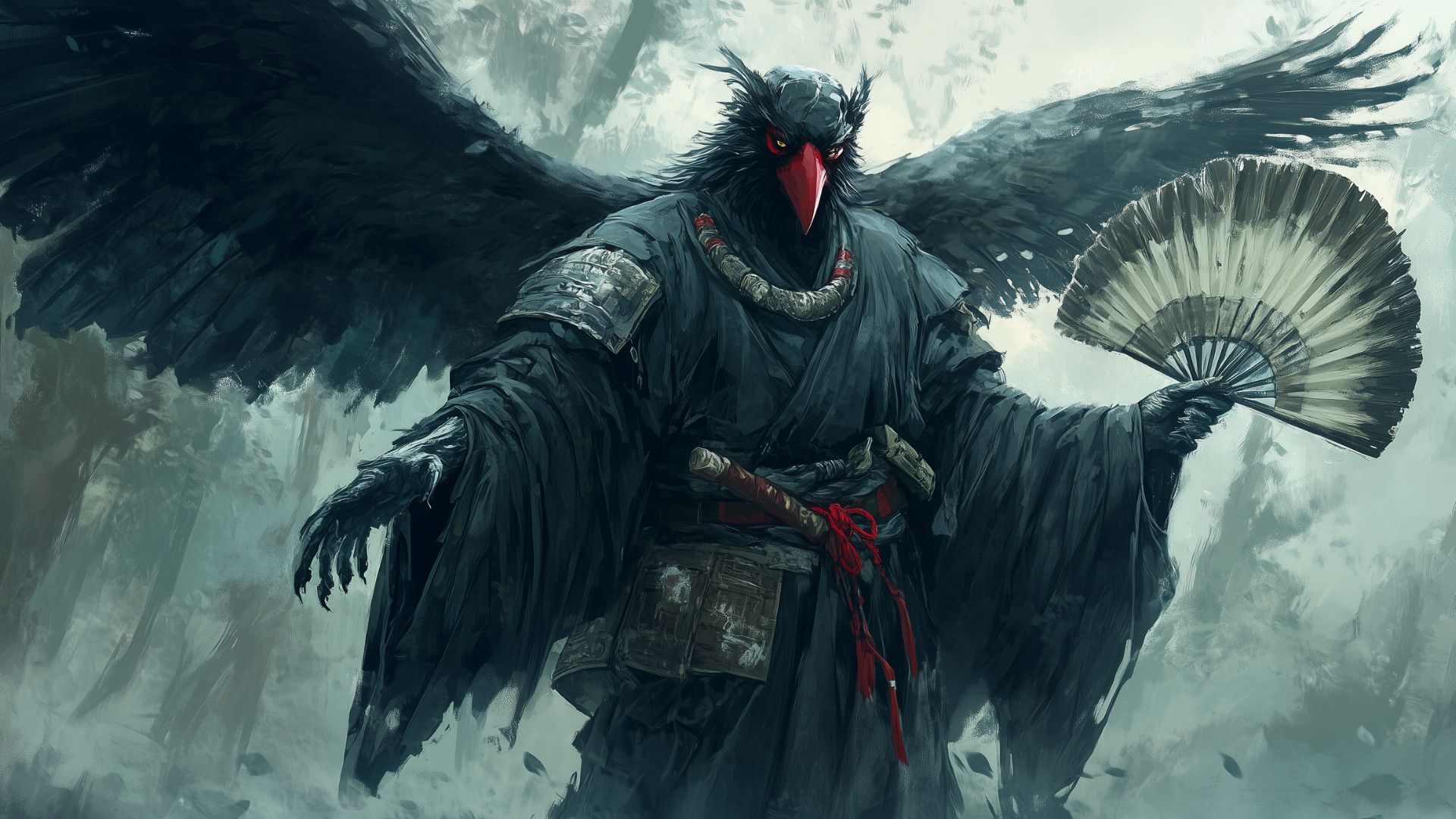
Within this context of ancient reverence for nature and its mysteries, the Vanara of Kailash emerges not as a creature of flesh and blood in the modern sense, but as a potent symbol. The term "Vanara" itself, derived from Sanskrit, often translates to "forest dweller" or "primate-like being." In the context of this myth, the Vanara are depicted as beings of immense strength, agility, and profound connection to the natural world, particularly the sacred mountain of Kailash. They are not simply animals, nor are they fully human. Instead, they embody a liminal existence, bridging the gap between the wild and the civilized, the earthly and the divine. Their symbolic attributes often include a deep wisdom derived from their communion with nature, a fierce loyalty, and an uncanny ability to navigate the treacherous terrains of the peaks. They are often described with features that blend human-like intelligence with the raw power and grace of the animal kingdom, perhaps with fur, powerful limbs, and keen senses.
The narrative of the "Hunt for the Vanara of Kailash" is not a single, monolithic tale, but rather a tapestry woven from various retellings and interpretations. Imagine, if you will, a time when the ancient inhabitants of the Himalayan foothills looked up at the imposing silhouette of Kailash, a mountain considered the abode of gods and spirits. Within its vast, untamed wilderness, they believed, dwelled these enigmatic Vanara. The "hunt" itself was rarely a pursuit of prey for sustenance. Instead, it was often a quest undertaken by intrepid individuals, or perhaps by groups seeking to prove their courage, to gain knowledge, or even to appease the spirits of the mountain.
The story might begin with a brave warrior or a wise elder, driven by a compelling reason – a prophecy, a plea from the community, or a personal yearning for enlightenment. They would venture into the formidable landscape, a place where avalanches roared like thunder and the air grew thin and sharp. The journey would be fraught with peril: treacherous cliffs, hidden crevasses, and the constant threat of the elements. Along the way, they might encounter signs of the Vanara – unusual tracks, a fleeting glimpse of a powerful form disappearing into the mist, or the echo of a strange, resonant call.
The confrontation, when it occurred, was rarely a bloody battle. More often, it was a test of wits, a demonstration of respect, or a profound, silent communion. Perhaps the Vanara, with their innate wisdom, would observe the hunter from afar, judging their intentions. The hunter, in turn, might attempt to communicate through gestures, offerings, or a display of humble perseverance. The outcome could vary: a successful evasion by the Vanara, signifying their mastery of their domain; a moment of shared understanding, where the hunter gained a fragment of their wisdom; or perhaps a humbling realization of their own insignificance in the face of such primal power. The "hunt" was, in essence, an exploration of the unknown, a journey into the heart of the wild, and an encounter with the symbolic forces that the Vanara represented.
The symbolism embedded within the Vanara legend is rich and multifaceted. To the ancient people who told these stories, the Vanara likely represented the untamed spirit of nature, the raw, unadulterated power that existed beyond human control. Their connection to Kailash, a sacred peak in many traditions, further imbued them with a spiritual significance. They could have symbolized the wisdom that comes from living in harmony with the environment, a stark contrast to the often disruptive nature of human endeavors. The "hunt" might have represented humanity’s perpetual quest for understanding, for conquering the unknown, or for finding a balance between their own desires and the dictates of the natural world. The Vanara could also have embodied qualities that were admired and sought after: courage, resilience, and an intrinsic connection to the primal forces of life.
In the modern era, the myth of the Vanara of Kailash, like many ancient tales, finds new life in various forms of creative expression. They appear in literature as enigmatic guardians of sacred places or as figures representing the wild heart of the wilderness. In films and video games, their imagery might be adapted to create fantastical creatures with unique abilities, often drawing on their mythical strength and agility. Cultural studies scholars examine these legends to understand the historical worldview of the people who created them, the societal values they reflected, and the enduring power of storytelling. These reinterpretations, while inspired by the original myth, are understood as imaginative constructs, not as historical accounts or factual claims.
In conclusion, the legend of the Vanara of Kailash is a testament to the enduring power of human imagination and the profound relationship between people and their environment. It is a cultural narrative, a story told and retold, that offers insights into the beliefs and worldview of ancient peoples. As Muslims, we recognize that only Allah (God) is the true Creator and Sustainer of all existence. These ancient stories, while fascinating and culturally significant, are understood within the framework of our faith as products of human storytelling and interpretation, not as divine revelations. They serve as a reminder of the rich tapestry of human heritage, the beauty of imaginative expression, and the timeless tradition of sharing stories that connect us to our past and illuminate our understanding of the world.