fufufafa
In the mist-shrouded lands of ancient Europe, where forests whispered secrets to the wind and rivers carved their paths through emerald valleys, tales were woven from the fabric of observation and wonder. Among the diverse tapestry of beliefs and stories held by the Celtic peoples, particularly those inhabiting Gaul and Britain, the legend of Cernunnos emerged as a powerful and enigmatic figure. This narrative, like many from antiquity, served as a way for our ancestors to understand the intricate workings of the world around them, to grapple with the cycles of life and death, and to find meaning in the untamed forces of nature. It is a traditional story, a glimpse into the worldview of a people who lived in close communion with the land, and it is presented here for cultural, historical, and educational understanding, not as a matter of faith or worship.
The cultural era that cradled the legend of Cernunnos was one deeply rooted in a cyclical understanding of existence. The Celts were a collection of tribes, often agricultural, who experienced the profound rhythms of the seasons firsthand. They witnessed the earth’s slumber in winter, its explosive rebirth in spring, its fecundity in summer, and its harvest in autumn. Their world was a living, breathing entity, imbued with spirits and powers that influenced every aspect of their lives. Forests were not merely collections of trees but sacred groves, teeming with unseen presences. Rivers were arteries of life, and mountains were the homes of deities. Their cosmology was animistic, seeing a vital force animating all things, and their myths often reflected this profound connection to the natural world. In this context, figures like Cernunnos were not distant, abstract deities but potent embodiments of the wild, the fertile, and the ever-present forces of life and renewal.
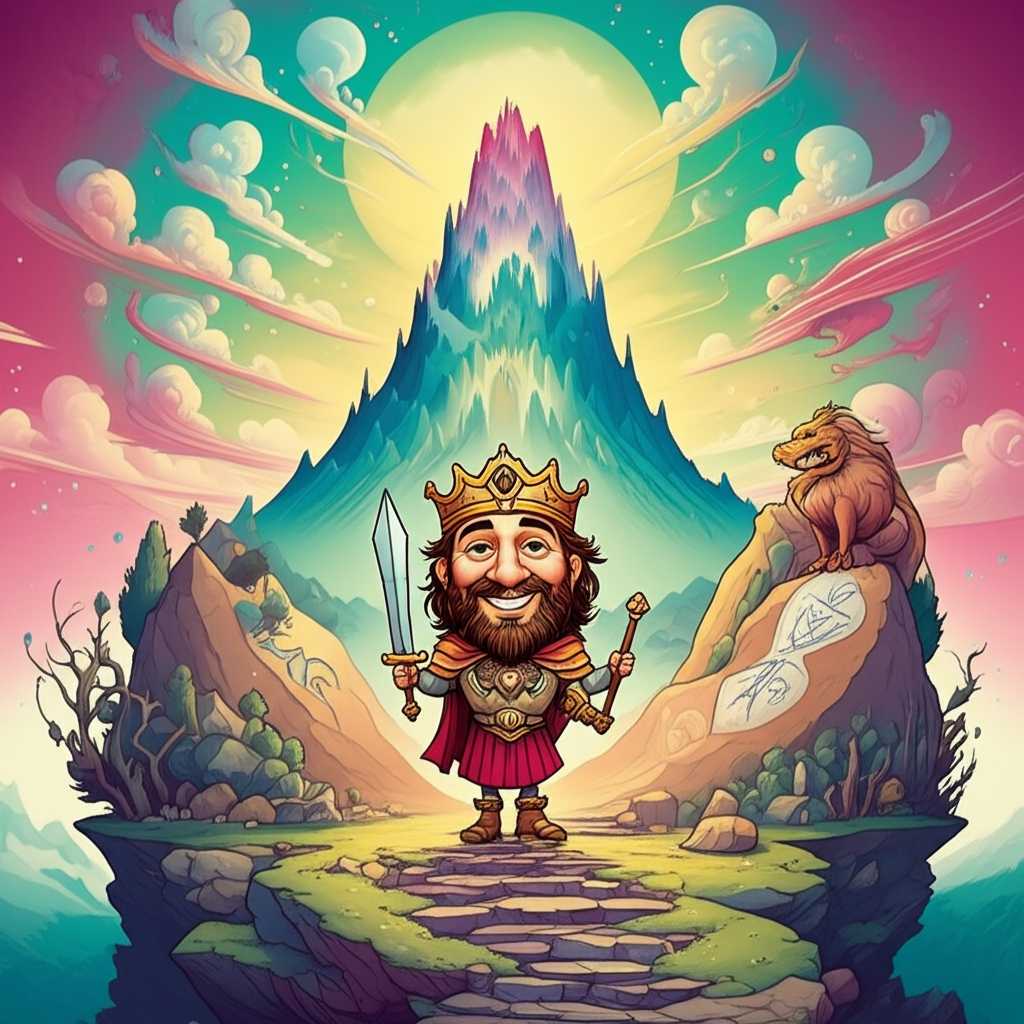
At the heart of this legend lies Cernunnos, a figure often depicted with the most striking of attributes: the head and antlers of a great stag. These antlers, shed and regrown each year, were a potent symbol of regeneration, of the cyclical renewal that characterized the natural world. He was often portrayed as muscular and virile, sometimes with a beard and often adorned with torcs, heavy gold neck rings signifying status and power among the Celts. His symbolic association with the stag, a creature revered for its majesty, swiftness, and its role in the forest ecosystem, linked him intrinsically to the wild. He was the lord of the beasts, the protector of the hunt, and a harbinger of fertility and abundance. His imagery, found on ancient artifacts like the Gundestrup Cauldron, suggests a figure of considerable importance, embodying both the power of the wild and the generative forces of nature.
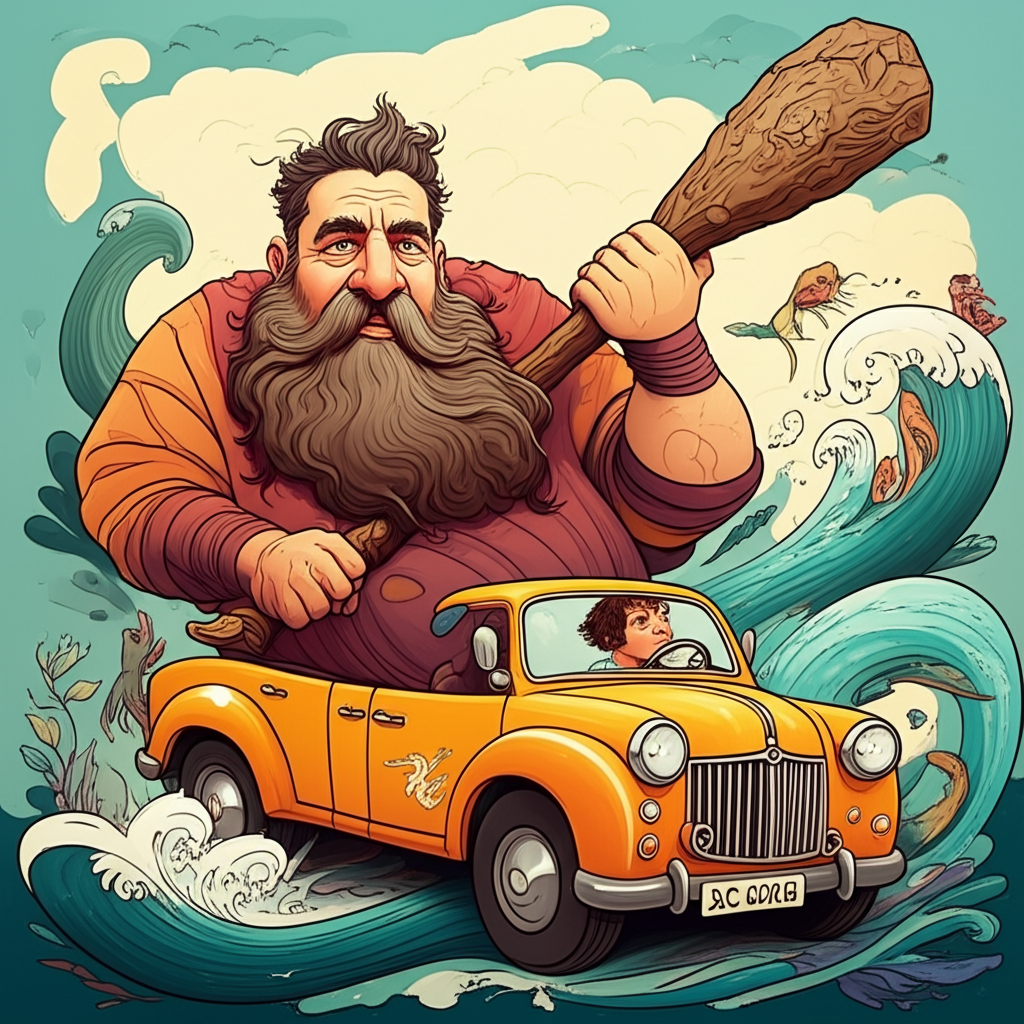
The legend of Cernunnos and the Forgotten Sea is a story that has been pieced together from fragmented archaeological evidence and recurring motifs in folklore. Imagine a time when the world was younger, and the boundaries between the realms of gods and mortals were more porous. In this ancient telling, Cernunnos, the Horned God, held dominion not only over the forests and the wild creatures that roamed within them but also over a vast, forgotten sea. This was no ordinary ocean, but a primordial body of water, a deep wellspring of life and mystery, that lay hidden beneath the earth or perhaps existed in a liminal space, accessible only through sacred pathways.
The story often speaks of a time of imbalance, when the land grew barren, the rivers dwindled, and the cycles of nature faltered. The people, dependent on the earth’s bounty, despaired. It was then that the elders remembered tales of the Forgotten Sea, a place of ultimate fertility, a source of primal energy that could replenish the world. But the sea was guarded, its depths inaccessible, its secrets locked away.
Cernunnos, as the guardian of the wild and the harbinger of life’s renewal, was said to hold the key. Some versions of the myth suggest that he alone could navigate the treacherous paths to this hidden sea, his connection to the primal forces of nature granting him passage. He would journey to its shores, his stag form a silhouette against the eerie glow of phosphorescent waters. There, he would perform ancient rites, perhaps a ritualistic shedding of his antlers, offering them to the sea as a symbol of sacrifice and renewal. In exchange, the sea would bestow its life-giving essence, its potent waters flowing back into the land, revitalizing the parched earth and restoring the natural order.
Other interpretations suggest that the Forgotten Sea was a place of transition, a realm where souls embarked on their journey to the afterlife, and Cernunnos, as a psychopomp or guide, facilitated this passage. The sea, in this context, represented the unknown, the vast expanse of what lies beyond mortal comprehension, and Cernunnos’s role was to ensure a smooth and orderly transition.
The symbolism embedded within this legend is rich and multifaceted. Cernunnos himself, with his stag antlers, represents the wild, untamed aspects of nature, the cycle of death and rebirth, and the potent, often mysterious, forces of fertility. The Forgotten Sea can be interpreted as the primordial source of all life, the subconscious depths of existence, or the unknowable realm of the spirit. The story, in its entirety, speaks to the ancient human understanding of the interconnectedness of all things – how the health of the land depended on the balance of nature, and how figures of power, like Cernunnos, played a crucial role in maintaining that equilibrium. It might have represented a fear of the unknown, a hope for renewal in times of hardship, and a deep respect for the power of the natural world.
In the modern world, the legend of Cernunnos, like many ancient myths, has found new life in various forms of creative expression. He is a recurring figure in fantasy literature, often portrayed as a wise, ancient deity of the forests, a protector of the wild, or a powerful, sometimes morally ambiguous, entity. In video games, he might appear as a formidable boss or a benevolent guardian of natural realms. Academic studies of mythology and folklore continue to explore his significance, analyzing his imagery and his role in the spiritual landscape of the ancient Celts. These interpretations often delve into the psychological archetypes he represents, such as the wild man, the king of the beasts, and the embodiment of primal energy.
In conclusion, the legend of Cernunnos and the Forgotten Sea is a captivating narrative that offers a window into the rich cultural heritage and imaginative world of the ancient Celts. It is a story born from their deep connection to the natural world, their understanding of its cycles, and their attempts to explain the inexplicable. As Muslims, we recognize that only Allah is the true Creator and Sustainer of all existence, the ultimate source of power and life. Yet, we can still appreciate these ancient stories as testaments to human ingenuity, the enduring power of storytelling, and the diverse ways in which humanity has sought to understand its place in the vast cosmic tapestry. These myths serve as valuable cultural artifacts, reminding us of the enduring human impulse to find meaning and wonder in the world around us, and to share those discoveries through the timeless art of narrative.