fufufafa
In the tapestry of ancient India, woven with threads of epic poems, vibrant folklore, and profound spiritual thought, stories of divine beings and mythical creatures have been passed down through generations. Among these, the tales of Hanuman, the devoted companion of Lord Rama, hold a special place. These narratives, originating from the rich cultural landscape of Hinduism, are not presented as historical fact but as imaginative explorations of human virtues, the forces of nature, and the boundless potential of the spirit. They offer a glimpse into the worldview of ancient societies, where the natural world was often imbued with a sense of the sacred and the extraordinary.
The genesis of such legends can be traced back to a time when oral traditions were paramount. In agrarian societies, nestled between fertile plains and the towering, often mysterious, Himalayas, the rhythms of life were dictated by the seasons, the elements, and the perceived forces that governed them. The world was seen as a place where the ordinary and the extraordinary coexisted, where the actions of gods and demigods could influence the lives of mortals. Myths served as a way to understand the unexplainable, to impart moral lessons, and to celebrate the triumphs of courage, devotion, and wisdom. The stories of Hanuman, in particular, emerged from a period of intense cultural and religious development, reflecting a deep appreciation for loyalty, strength, and selfless service.
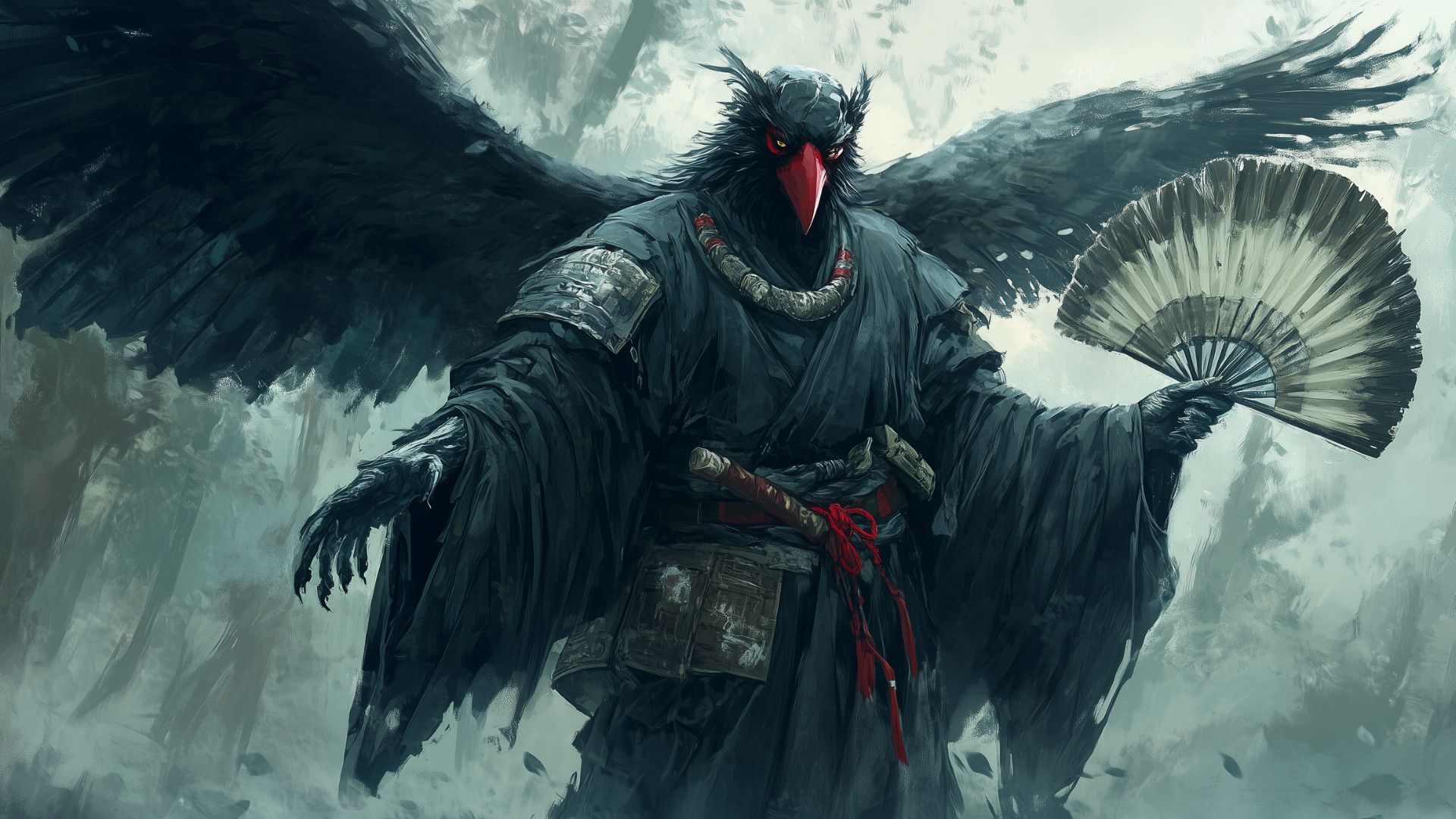
At the heart of this particular legend lies Hanuman, a figure often depicted as a powerful, agile, and immensely devoted Vanara, a monkey-like being. He is not a god in the conventional sense, but a powerful demigod, born of divine wind and a celestial nymph. His symbolic attributes are manifold: his unparalleled strength represents physical prowess and the ability to overcome obstacles; his boundless devotion to Rama embodies unwavering loyalty and selfless service; his leaps across oceans signify the overcoming of impossible distances and challenges; and his intelligence and wisdom highlight his strategic acumen and deep understanding. These attributes were not meant to be literally believed but rather to illustrate the highest ideals of character and conduct.
The Legend of Hanuman and the Hidden Temple, though varying in its precise details across different regional tellings, typically unfolds with Hanuman on a quest, often in the aftermath of the epic Ramayana. Driven by an insatiable thirst for knowledge or a divine directive, Hanuman embarks on a journey to the remote and inaccessible peaks of the Himalayas. It is said that in his pursuit of spiritual enlightenment or to retrieve a sacred artifact, he encounters a mystical, hidden temple, concealed by ancient enchantments and guarded by natural elements.
Imagine the scene: the air grows thin and crisp, the silence broken only by the whistling wind and the distant cry of unseen birds. Hanuman, with his characteristic agility, scales treacherous cliffs, his powerful form effortlessly navigating the rugged terrain. He might be guided by celestial signs or the whispers of the wind itself. After arduous travel, he stumbles upon a clearing, bathed in an ethereal light, where the entrance to the temple is revealed. This temple, often described as being carved from the living rock of the mountain, or appearing as if woven from moonlight and mist, is a place of profound stillness and ancient power.
Within its sanctum, Hanuman might engage in contemplation, receive divine wisdom, or perhaps discover an object of immense significance. The challenges he faces on his journey are not merely physical; they can also represent internal struggles – overcoming doubt, maintaining focus, and persevering in the face of daunting odds. The narrative emphasizes his unwavering resolve, his ability to adapt to any situation, and his profound connection to the divine, all without attributing literal miraculous powers. The story is a testament to his endurance and his quest for something greater than himself.
The symbolism embedded within this legend is rich and multifaceted. The Himalayas themselves, in Indian mythology, represent the abode of the gods, a place of spiritual ascent and profound introspection. The hidden temple can be interpreted as the inner sanctuary of the self, the place where true wisdom and spiritual understanding reside, accessible only through dedicated effort and inner purification. Hanuman’s journey signifies the human quest for knowledge and enlightenment, a path that demands courage, perseverance, and a deep sense of purpose. His strength and agility can symbolize the power of the mind and body when dedicated to a noble cause. His devotion, a cornerstone of his character, speaks to the importance of faith and commitment in achieving spiritual goals.
In the modern era, the Legend of Hanuman and the Hidden Temple continues to resonate, albeit through different mediums. It finds expression in vibrant illustrations within children’s books, inspiring animated films that reimagine ancient tales for new audiences, and even in video games that draw inspiration from the epic scope and heroic deeds of mythological figures. In academic circles, these stories are studied for their insights into ancient Indian cosmology, social structures, and the evolution of religious thought. They are viewed as invaluable cultural artifacts that offer a window into the collective consciousness of past societies.
In conclusion, the Legend of Hanuman and the Hidden Temple is a captivating narrative that originates from the rich cultural heritage of India. It is a story woven from the threads of imagination, designed to explore profound human virtues and the symbolic representation of nature and spirituality. As Muslims, we understand that only Allah (God) is the true Creator and Sustainer of the universe, the ultimate source of all power and wisdom. These ancient stories, therefore, are appreciated not as literal accounts of divine intervention or as objects of worship, but as expressions of human creativity, cultural memory, and the enduring tradition of storytelling. They remind us of the power of imagination to explore the human condition, to celebrate ideals, and to connect with the vast and fascinating tapestry of our shared cultural heritage.