fufufafa
The mists cling to the emerald shores of Ireland, a land steeped in tales as old as the stones themselves. Among these echoes of the past, a story that has long captured the imagination is that of the Stone of Fal and its enigmatic connection to Morrigan, a figure woven into the very fabric of Celtic mythology. This is not a tale of verifiable events, but rather a traditional narrative passed down through generations by the ancient peoples of this land, a tapestry of belief, fear, and wonder.
To understand the genesis of such a legend, we must journey back to a time when the world was perceived through a veil of animism and deep reverence for the natural order. The Celts, inhabiting Ireland and much of Europe centuries before the common era, lived in close communion with the land. Their lives were dictated by the cycles of the sun and moon, the bounty of the earth, and the unpredictable forces of nature. Their worldview was not one of a singular, distant deity, but rather a pantheon of powerful spirits and deities who inhabited the forests, rivers, and skies. These beings were not always benevolent; they held dominion over both creation and destruction, reflecting the dualistic nature of existence as understood by these ancient cultures. It was a world where the boundaries between the mortal and the divine were fluid, and where rituals and stories served as vital bridges between the two realms. The Stone of Fal, and the mysteries surrounding it, emerged from this rich and fertile ground of ancient Celtic belief.
At the heart of this narrative lies Morrigan, a name that resonates with an almost primal power. She is not a single, easily defined goddess, but rather a complex entity, often appearing as a trio of sisters – Badb, Macha, and Nemain – or as a solitary, formidable figure. Morrigan is a goddess of war, fate, and sovereignty, her presence often heralded by the raven’s cry or the chilling sight of her washing blood-soaked armor on the banks of a river. Her symbolic attributes are myriad: the raven, representing prophecy and ill omen; the wolf, signifying ferocity and primal instinct; and the sovereignty of the land itself, as she is intimately tied to the fate of kings and kingdoms. She is the embodiment of the wild, untamed forces that shape destiny, a harbinger of both triumph and devastation. Her power is not one of gentle guidance, but of fierce intervention, often appearing on the battlefield to influence the course of war, or to guide heroes towards their preordained destinies, whether glorious or tragic.
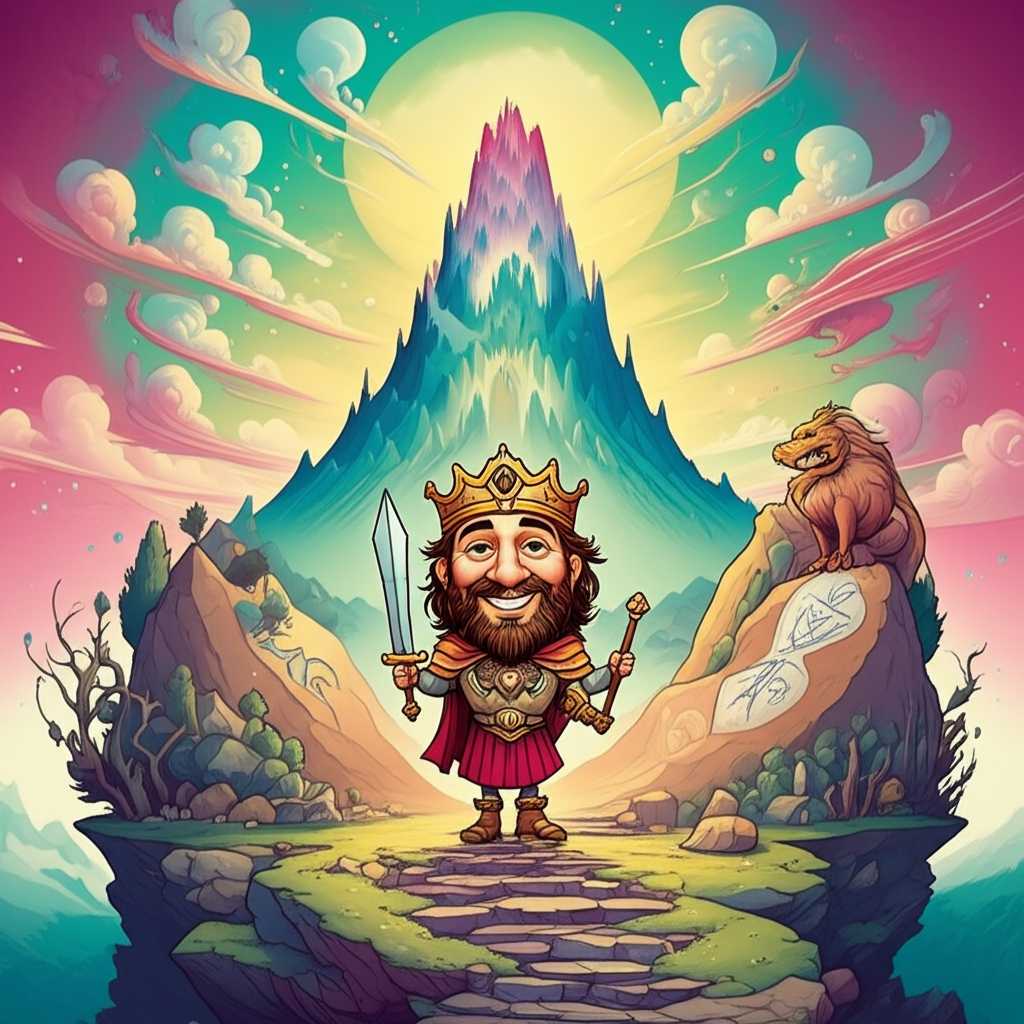
The legend of the Stone of Fal is intricately linked to the High Kings of Ireland, a concept that speaks to the importance of legitimate and divinely sanctioned leadership in ancient Celtic society. The Stone of Fal, also known as the Lia Fáil, was believed to be a sacred relic, an ancient stone that possessed the power to proclaim the true king. It was said to have been brought to Ireland by the Tuatha Dé Danann, a semi-divine race who were the mythical ancestors of the Irish people. This mythical origin underscores the stone’s profound significance, imbuing it with an aura of ancient magic and celestial endorsement.
The narrative unfolds as follows: when a prospective High King was presented to the Stone of Fal, the stone would either cry out with a loud roar, signifying his rightful claim to the throne, or remain silent, indicating his unworthiness. This simple, yet potent, act of validation held immense weight, as it was believed to be a direct pronouncement from the divine forces that governed the land.
However, the story of Morrigan introduces a layer of mystique and perhaps even treachery to this otherwise straightforward process. It is whispered that Morrigan, the goddess of fate and war, had a particular interest in the destiny of Ireland and its rulers. Some tales suggest that she would sometimes intervene, her influence subtly or overtly shaping the stone’s pronouncements. Perhaps she would favor a candidate she deemed strong enough to lead Ireland through times of conflict, or perhaps she would use the stone to sow discord and weaken potential adversaries. The "mystery of Morrigan" lies in this ambiguity; was her involvement a blessing or a curse? Did she guide Ireland towards its destined path, or did her machinations lead to its downfall? The ancient storytellers likely left these questions open, allowing the listeners to ponder the complex interplay of fate, power, and divine will.
The symbolism inherent in the Stone of Fal and Morrigan’s involvement is rich and multifaceted. The Stone of Fal itself represents legitimacy, divine right, and the inherent authority of leadership. Its roar or silence served as a powerful metaphor for the success or failure of a ruler, reflecting the belief that true leadership was not merely a matter of conquest, but of being chosen by higher powers. Morrigan, on the other hand, embodies the chaotic, yet essential, forces of destiny and conflict. Her presence highlights the precariousness of power and the ever-present threat of war and upheaval. She can be seen as a representation of the capricious nature of fate, a reminder that even the most seemingly stable leadership could be undone by unseen forces. Together, the stone and the goddess offer a potent commentary on the cyclical nature of power, the importance of divinely sanctioned rule, and the ever-present specter of conflict that shaped the lives of ancient peoples.
In the modern era, the myth of the Stone of Fal and Morrigan continues to resonate, finding new life in various forms of popular culture. In literature, authors draw upon these ancient Celtic narratives to craft epic fantasy novels, imbuing their worlds with a similar sense of ancient magic and predestined conflict. In video games, Morrigan often appears as a powerful, morally ambiguous character, a sorceress or warrior whose actions are driven by a mysterious agenda, echoing her role as a weaver of fate. These interpretations, while entertaining, often simplify the complex symbolism and cultural context of the original myths. Cultural studies scholars also examine these stories as valuable windows into the worldview, societal structures, and anxieties of ancient Celtic peoples, understanding them as crucial elements of their cultural heritage.
In conclusion, the legend of the Stone of Fal and the mystery of Morrigan is a captivating narrative born from the rich soil of ancient Irish folklore. It is a testament to the power of storytelling, a tradition that allowed ancient peoples to explore their understanding of leadership, destiny, and the forces that governed their world. As Muslims, we recognize that only Allah (God) is the true Creator and Sustainer of all existence, and that such ancient tales are products of human imagination and cultural expression, not divine revelation. Yet, by engaging with these stories, we gain a deeper appreciation for the diversity of human thought, the enduring power of narrative, and the intricate tapestry of cultural heritage that continues to shape our world. The whispers of the ancient isle, carried on the winds, remind us of the enduring human impulse to seek meaning and order in the face of the unknown, a pursuit that has always found expression in the telling of tales.