fufufafa
The mists of time, thick and ancient, often cloak the origins of the stories that have shaped human understanding of the world. Among these are the vibrant tapestry of myths and legends woven by the peoples of early Ireland. From the emerald isle, where the wind carries the scent of peat smoke and the roar of the Atlantic, emerged a rich body of folklore, a collection of tales passed down through generations, offering insights into how our ancestors perceived the cosmos, their leaders, and the forces they believed governed their lives. One such narrative, steeped in the magic and martial spirit of that distant age, speaks of Nuada, the king of the Tuatha Dé Danann, and the legendary Spear of Lugh.
This is not a chronicle of historical events, nor a guide to forgotten powers. It is a glimpse into the imaginative landscape of ancient Ireland, a world where the divine and the mortal intertwined, where the earth pulsed with unseen energies, and where heroes grappled with fate and formidable adversaries. These stories, told around crackling hearths and under starry skies, were the vehicles through which complex ideas about leadership, sacrifice, and the balance of power were conveyed.
In the heart of this mythological realm resided the Tuatha Dé Danann, often described as a semi-divine race who, according to the lore, predated the arrival of the Milesians in Ireland. They were portrayed as beings of immense skill, possessing mastery over magic, craftsmanship, and the very elements. Their world was one of dramatic landscapes – rugged coastlines, verdant plains, and enchanted forests – a setting that mirrored the grand narratives they inhabited. The people of that era often viewed the world as a place imbued with spirits and forces, where the natural world was alive with meaning, and where the actions of gods and heroes had profound repercussions on the lives of ordinary mortals. They sought to understand the unexplainable through these captivating tales, finding explanations for the cycles of nature, the vagaries of fortune, and the enduring human struggles for dominance and survival.
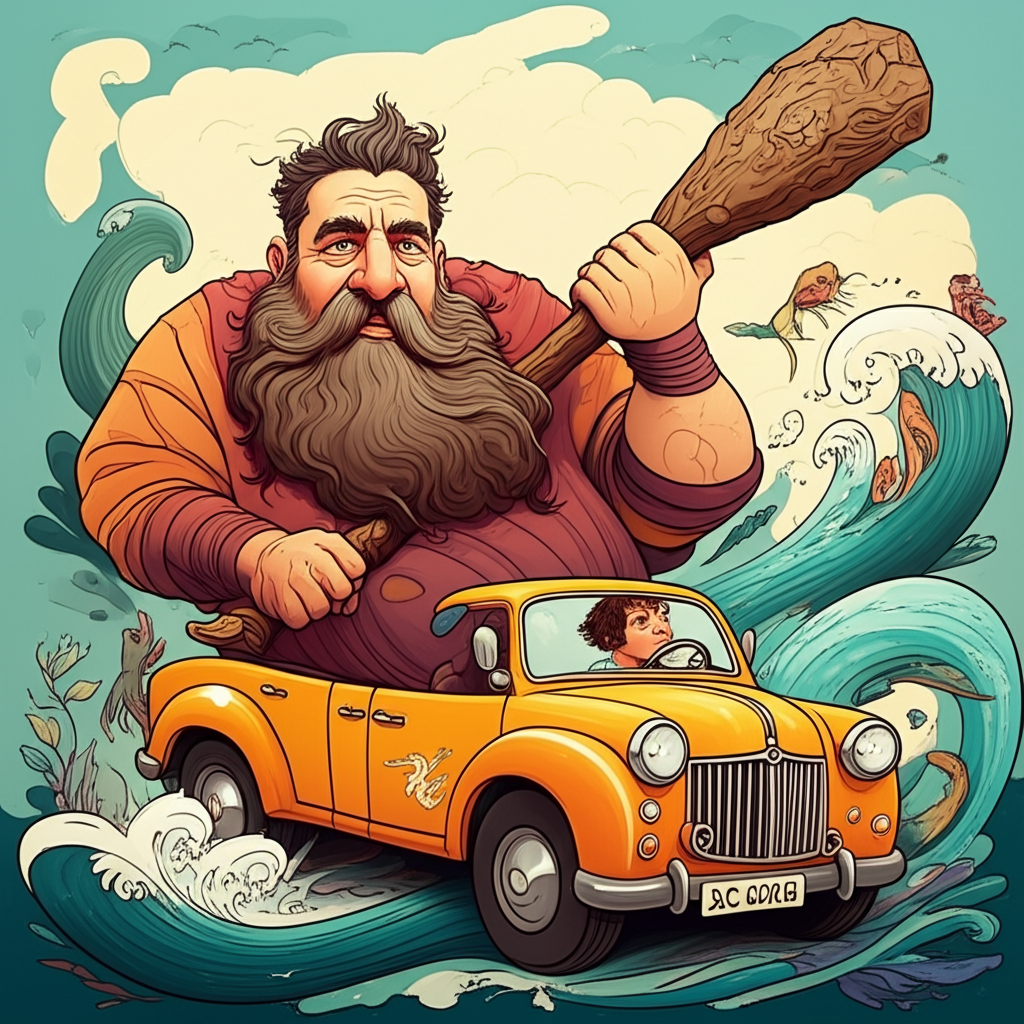
Central to our story is Nuada Airgetlám, meaning "Nuada of the Silver Arm." He was a revered king of the Tuatha Dé Danann, a figure who embodied the ideals of leadership and resilience. His epithet, "Silver Arm," speaks volumes about his character. In one pivotal myth, he lost his arm in battle, a grievous wound that threatened to disqualify him from kingship, as physical perfection was often a prerequisite. Yet, through the extraordinary skills of his smiths, a magnificent silver prosthetic was crafted, a testament to ingenuity and the refusal to succumb to adversity. This silver arm was not merely a replacement; it was a symbol of his enduring strength, his ability to overcome profound loss, and his continued right to lead. Nuada, therefore, represents the ideal ruler – one who, despite suffering injury, retains his wisdom, his courage, and his capacity for governance. He was not depicted as a deity to be worshipped in the way we understand the singular, omnipotent Creator, but rather as a powerful, almost mythic figure who held sway over his people and played a crucial role in their destiny.
The Spear of Lugh, however, adds another layer of potent symbolism to Nuada’s narrative. Lugh Lamhfada, or "Lugh of the Long Arm," was another prominent figure among the Tuatha Dé Danann, a master of many skills and a warrior of formidable prowess. The spear attributed to him was not just a weapon of war; it was said to be imbued with an almost sentient power, a harbinger of victory, and a symbol of lethal precision. Tales describe it as a weapon that could strike with unerring accuracy, a terrifying instrument in the hands of a skilled wielder. Its gleam was said to be blinding, its reach immense, and its impact devastating.
The narrative often unfolds during the Second Battle of Magh Tuired, a cataclysmic conflict between the Tuatha Dé Danann and their ancient enemies, the Fomorians. This battle was a defining moment, a struggle for the very soul of Ireland as depicted in the myths. Nuada, despite his silver arm, led his people with unwavering resolve. The lore tells of the desperate struggle, the clash of bronze and iron, the cries of the wounded, and the strategic brilliance displayed by the Tuatha Dé Danann. It was during this epic confrontation that the Spear of Lugh, wielded by its rightful or rightful successor, proved instrumental. The spear, in this context, can be seen not just as a physical object, but as a potent metaphor for decisive action, for the sharp edge of strategy, and for the overwhelming force that can turn the tide of conflict. The narrative would describe the spear’s fiery arc through the battlefield, its devastating impact on the Fomorian ranks, and the ultimate triumph of the Tuatha Dé Danann, a victory secured by the combined might of their leadership, their courage, and the potent symbolism of Lugh’s weapon. Nuada, with his resilience and his strategic acumen, guided his people, while the Spear of Lugh represented the ultimate expression of their martial power and their ability to achieve victory against overwhelming odds.
The symbolism embedded within these ancient tales is rich and multifaceted. Nuada’s silver arm speaks to themes of perseverance, adaptation, and the inherent value of leadership that transcends physical limitations. It suggests that true strength lies not in the absence of flaws, but in the ability to overcome them and to continue serving one’s people. The Spear of Lugh, on the other hand, embodies concepts of martial prowess, strategic advantage, and the decisive nature of conflict. It can be interpreted as representing the embodiment of focused power, the sharpened edge of intellect and skill that can cut through any opposition. Together, they paint a picture of a society that valued both wise governance and the strength to defend itself, a delicate balance essential for survival and prosperity. These stories likely served to instill courage, to reinforce societal values, and to provide a framework for understanding the cyclical nature of conflict and peace.
In the modern world, the echoes of these ancient myths resonate powerfully. The Tuatha Dé Danann and their legendary figures have found new life in literature, film, and video games, often reimagined as fantastical beings or sources of magical power. Characters inspired by Nuada and Lugh appear in countless fantasy novels, their stories reinterpreted through the lens of contemporary storytelling. Cultural studies scholars delve into these myths to understand the worldview of ancient Celtic societies, exploring their social structures, their religious beliefs, and their artistic expressions. The enduring appeal of these narratives lies in their universal themes of heroism, struggle, and the quest for identity, which continue to captivate audiences centuries after their initial telling.
It is crucial to reiterate that the stories of Nuada, the Spear of Lugh, and the Tuatha Dé Danann are products of ancient human imagination and cultural tradition. They are valuable for their historical and literary significance, offering a window into the beliefs and values of past societies. As Muslims, we recognize that the true Creator and Sustainer of all existence is Allah (God) alone, and that all power and authority originate from Him. These ancient tales, while fascinating, are not to be mistaken for divine revelation or a blueprint for belief. Instead, we can appreciate them as testament to the enduring power of human storytelling, a reflection of our innate desire to understand our place in the universe, and a vibrant thread in the rich tapestry of our collective cultural heritage. They remind us of the boundless creativity of the human mind and the timeless art of weaving narratives that have the power to transport us, to enlighten us, and to connect us to the stories that have shaped our world.