fufufafa
In the ancient tapestry of Irish folklore, woven with threads of magic, warrior spirit, and the ever-present forces of nature, lies a tale of a legendary sword and its profound connection to a mighty chieftain. This is not a history etched in stone, but a story passed down through generations, a rich narrative born from the imagination of the ancient Celts, who populated the emerald isle with gods, heroes, and powerful artifacts. These tales, like the mists that often shroud the Irish landscape, offer a glimpse into a worldview where the natural and the supernatural were intimately intertwined, where the might of a chieftain could be amplified by the very essence of their tools.
The era from which these myths hail was one where the world was perceived as a vibrant, living entity, imbued with spirit and power. The forces of creation and destruction, the cycles of life and death, the very seasons themselves, were often personified or attributed to divine or semi-divine beings. For the ancient Irish, the Tuatha Dé Danann, or the "Tribes of the Goddess Danu," were such beings – a mystical race who predated the arrival of humans and possessed unparalleled knowledge and magical prowess. Their world was one of ancient forests, rolling hills, and the deep, mysterious sea, a landscape that fueled their stories and shaped their understanding of power.
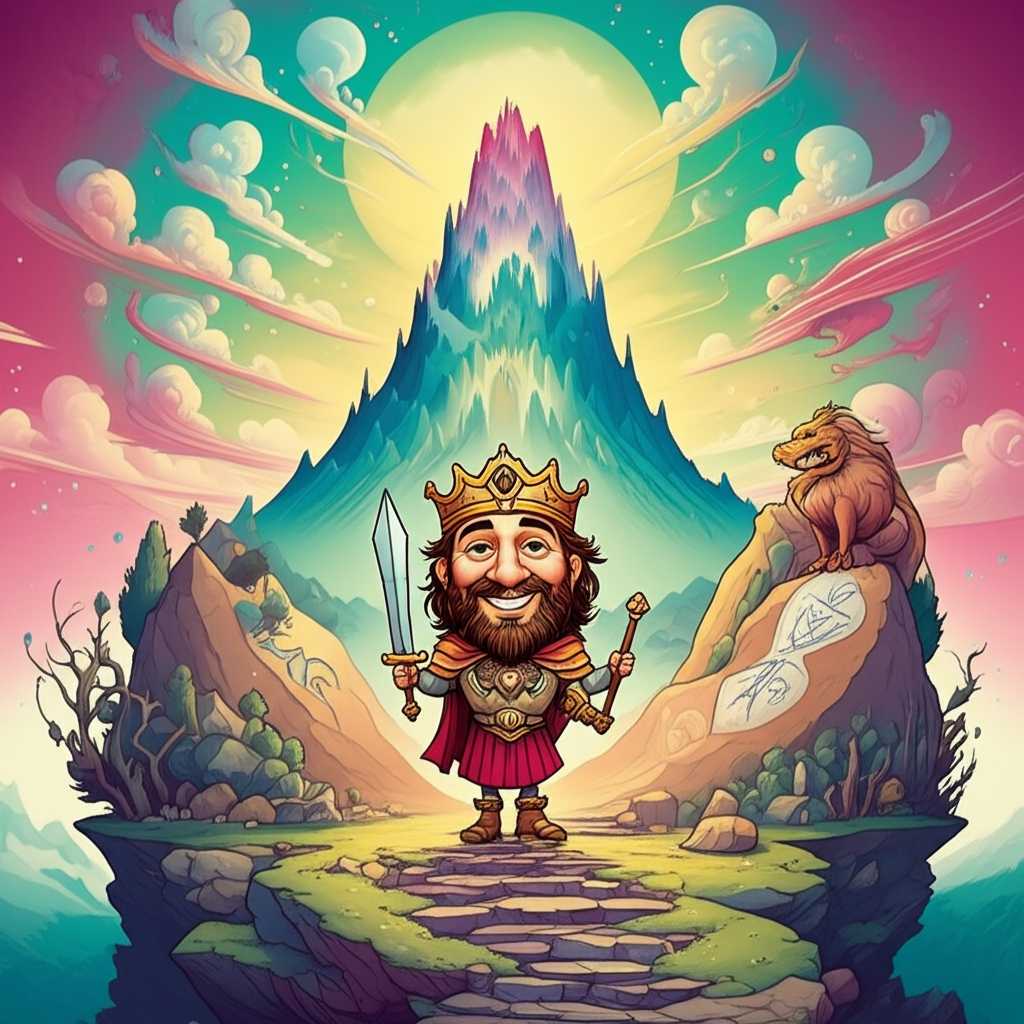
Among these legendary figures, Nuada Airgetlám, meaning "Nuada of the Silver Hand," stands as a pivotal chieftain of the Tuatha Dé Danann. His legend is inextricably linked to a formidable weapon, the Sword of Nuada, a blade whose might was said to be surpassed only by the immense power wielded by his compatriot, the Dagda, the "Good God" or "Great Father." Nuada himself was no ordinary warrior. His story embodies the ideals of leadership, courage, and the resilience required to defend one’s people. His most defining characteristic, the silver hand that replaced the one lost in battle, serves as a potent symbol of his enduring spirit and his ability to overcome profound adversity.
The narrative of Nuada and his sword is often interwoven with the epic battles of the Tuatha Dé Danann. The tale recounts how, in a fierce conflict against the Fomorians, a race of monstrous giants and sea-dwellers, Nuada sustained a grievous wound, losing his hand. This loss threatened his leadership and his very identity. However, the skilled artisans of the Tuatha Dé Danann crafted a wondrous silver hand for him, a prosthetic so lifelike and functional that it earned him his epithet. This act of restoration, coupled with his continued bravery, cemented his status as a formidable leader.
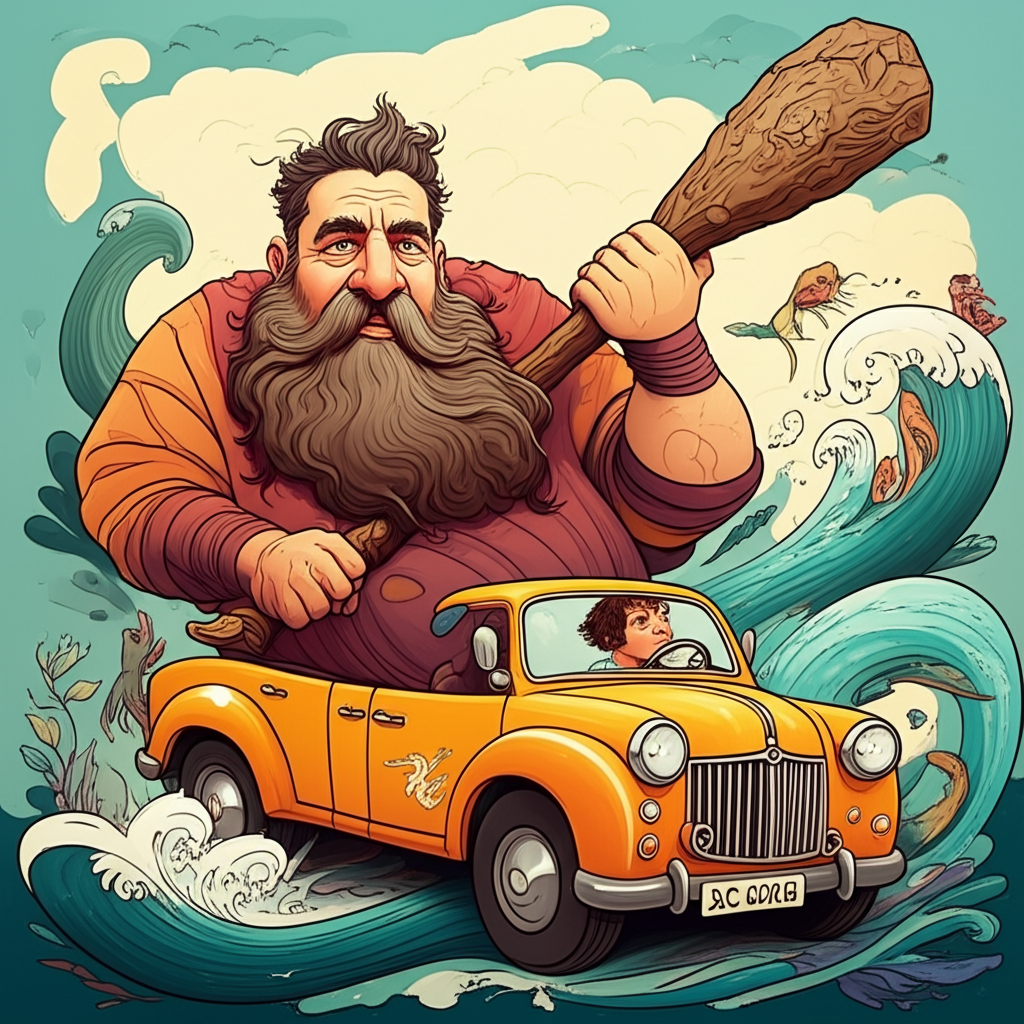
The Sword of Nuada, often referred to as "Fragarach," the "Answerer" or "Retaliator," was not merely a weapon of steel. Its legends speak of its incredible sharpness, capable of slicing through any material, and its ability to emit a devastating, chilling wind upon its unsheathing. It was a weapon that could cleave through armies and strike fear into the hearts of the mightiest foes. Yet, its true power, as understood by the ancient storytellers, was amplified by the presence of the Dagda, whose own legendary club, the "Coire Ansic" (the Cauldron of Plenty) and "Láthach" (the Staff of Life and Death), represented a different, yet equally potent, form of divine authority. The Dagda, often depicted as a portly, jovial figure, commanded immense power over life and death, abundance and scarcity. His presence, in essence, provided a grounding force, a cosmic balance against the sharp, decisive might of Nuada’s sword. The Sword of Nuada, in this context, was not just a tool of war; it was an extension of Nuada’s will, imbued with the raw, untamed energy that defined the warrior-chieftain.
The symbolism embedded within this myth is rich and multifaceted. Nuada’s silver hand speaks to the human capacity for adaptation and the triumph of will over physical limitation. It underscores the idea that true leadership is not defined by perfection but by the ability to endure and overcome. The Sword of Nuada, with its chilling wind and unmatched sharpness, likely represented the decisive force of justice, the swift and inevitable consequence of actions, and the power of a righteous cause. The Dagda, with his all-encompassing powers, symbolized the fundamental forces of existence – nourishment, destruction, and the cyclical nature of life. Together, Nuada’s sword and the Dagda’s power might have represented the balance of necessary forces: the sharp, decisive action required for defense and the overarching sustenance and control over the world’s elements. They embodied the ancient Irish understanding of leadership, where a chieftain needed not only martial prowess but also the wisdom and authority to govern and protect their people.
In the modern world, the Sword of Nuada and the figures of Nuada and the Dagda continue to resonate within popular culture. They appear in novels, video games, and other forms of fantasy entertainment, often reimagined with new interpretations and embellishments. These modern retellings, while drawing inspiration from the ancient myths, often explore themes of heroism, destiny, and the nature of power in a contemporary context. Scholars and enthusiasts of mythology also continue to study these stories, seeking to understand the cultural values, societal structures, and philosophical underpinnings of the ancient Celtic peoples.
It is crucial to reiterate that these narratives, while fascinating and culturally significant, are traditional stories passed down from ancient peoples. They are products of human imagination, storytelling traditions, and the ways in which our ancestors sought to understand the world around them. As Muslims, we recognize that the true Creator and Sustainer of all existence is Allah (SWT), the One and Only God. No earthly object, no legendary sword, and no mythological figure possesses any divine power or deserves worship.
The enduring appeal of the Sword of Nuada and the tales of the Tuatha Dé Danann lies not in any claim of literal truth, but in their power as expressions of human aspiration, fear, and wonder. They are windows into the rich cultural heritage of Ireland, testament to the enduring power of storytelling to shape our understanding of ourselves and the world. These myths remind us of the vibrant tapestry of human imagination and the timeless human desire to connect with something larger than ourselves, even if that connection is found within the realm of legend and lore.