
 fufufafa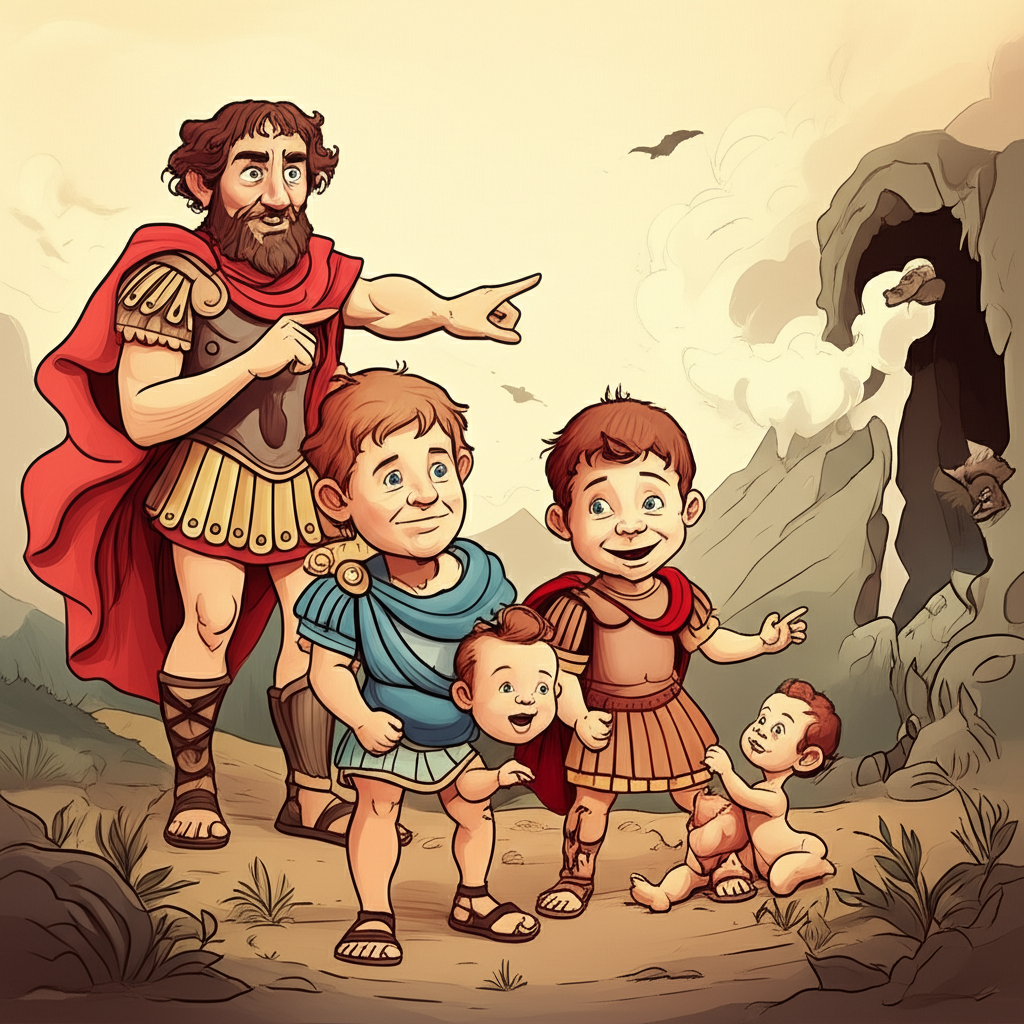
The mists curl, thick and heavy, around the shores of a dark, silent lake. This is Avernus, a place whispered about in hushed tones by the ancient peoples of Italy, a gateway, it was believed, to the shadowy realms beneath the earth. From these mythic depths, a prophecy emerged, entwined with the very foundations of what would become one of history’s most influential civilizations: Rome. The tale of Avernus and its prophecy is not a historical account but a vibrant tapestry woven from the imagination and beliefs of ancient Romans, a narrative passed down through generations, offering a glimpse into their worldview.
The origins of this myth lie deep within the fertile soil of early Roman culture, a time when the world was perceived as a place imbued with potent forces, both seen and unseen. The Romans, much like many ancient societies, sought to understand their existence through stories, attributing natural phenomena and significant events to the actions of divine beings, spirits, and the echoes of a primordial past. Their world was a landscape where the boundaries between the mortal and the supernatural were fluid, and the underworld, a place of both fear and fascination, held a significant place in their collective psyche. The concept of Avernus, the lake whose noxious fumes were said to kill birds that flew overhead, solidified this belief in a tangible connection to the land of the dead, a place from which ancient truths and pronouncements could, perhaps, still emerge.
Within this mythical framework, the figure of the Cumaean Sibyl emerges, a prophetess of immense antiquity, whose pronouncements were considered sacred and unfathomable. She was not a goddess, nor a mere mortal woman, but a conduit, a vessel through which the wisdom of the ages, and even the pronouncements from the very abyss of Avernus, were channeled. Her appearance was often described as ancient, her gaze piercing, her voice carrying the weight of centuries. She was a symbol of divine inspiration and profound, often cryptic, foresight. The symbolic attributes associated with her were wisdom, the burden of knowledge, and the power of prophecy – a power not to be wielded but to be interpreted, a daunting task that often led to great triumphs and tragic misunderstandings. The lake of Avernus itself, with its dark waters and fumes, symbolized the unknowable depths of fate, the mysteries of the afterlife, and the primal forces that governed existence.
The narrative of the Prophecy of Avernus, as it pertains to the founding of Rome, is often intertwined with the epic journey of Aeneas, a Trojan hero fleeing the destruction of his city. While Aeneas’s story predates Rome’s direct founding, it serves as a foundational myth, linking the nascent Roman civilization to a glorious, albeit tragic, past. Legend tells that Aeneas, guided by destiny and divine intervention, found himself near Cumae, a Greek colony in Italy. It was here, at the very mouth of Avernus, that he sought the counsel of the Cumaean Sibyl.
The air around the lake was heavy, the silence profound, broken only by the rustling of unseen creatures in the undergrowth. Aeneas, his heart heavy with the fate of his people and the promise of a new homeland, approached the Sibyl’s cave. The cave mouth was shrouded in shadows, and from its depths emanated a faint, unsettling aroma, the breath of Avernus itself. The Sibyl, her eyes clouded with visions, emerged, her form stooped with the weight of ages. She spoke not with her own voice, but with a resonance that seemed to emanate from the very earth, a chorus of whispers from the underworld.
Her prophecy, delivered in riddles and fragmented pronouncements, spoke of a great destiny for the land where Aeneas would eventually settle. She foretold of a mighty city that would rise, destined to conquer the known world, to bring order and law, and to leave an indelible mark on history. This city, she declared, would be born of hardship, of conflict, and of a lineage that would draw strength from both divine favor and earthly struggle. The whispers from Avernus seemed to echo her words, confirming the profound significance of the pronouncements. She spoke of twins, of a she-wolf, of a fratricidal act, and of a city built on seven hills. These were not mere predictions but symbolic signposts, guiding Aeneas and, by extension, the future Romans, towards their ordained path. The prophecy was a complex tapestry of potential, a destiny woven with threads of glory and the darker hues of human nature.
To the ancient Romans, the Prophecy of Avernus likely represented a profound understanding of their place in the cosmos. It symbolized the inherent duality of existence: the potential for greatness intertwined with the inevitability of struggle and loss. The underworld, as personified by Avernus, was not simply a place of death but a source of ancient wisdom and a repository of fate. The Sibyl, as its interpreter, embodied the notion that profound truths could be gleaned from the most unexpected and even terrifying sources. The prophecy may have also served to legitimize their ambitions, to imbue their nascent civilization with a sense of divine mandate, suggesting that their rise was not merely a matter of conquest but a fulfillment of ancient destiny. It spoke to their desire for order and dominion, a vision of a world shaped by Roman might and intellect, a vision that was both awe-inspiring and, for those who did not share it, potentially terrifying.
In the modern world, the myth of Avernus and its prophecies continues to resonate, albeit in different forms. In literature, the Sibyl and the concept of underworld prophecies have inspired countless works, from classical retellings to modern fantasy novels. Filmmakers and game developers have drawn upon these ancient narratives to craft immersive worlds and compelling storylines, often exploring themes of fate, destiny, and the struggle against overwhelming odds. In cultural studies, these myths are invaluable windows into the mindset of ancient peoples, offering insights into their fears, their hopes, and their attempts to make sense of the world around them. They are studied not for their literal truth, but for the enduring power of human storytelling and the universal desire to find meaning in the mysteries of existence.
In conclusion, the story of the Prophecy of Avernus and the founding of Rome is a powerful testament to the enduring legacy of human imagination and the cultural significance of ancient storytelling. It is a narrative that, while rooted in myth and folklore, offers profound insights into the worldview of the people who first conceived it. As Muslims, we understand that all creation originates from the singular power of Allah, the Almighty, the True Creator and Sustainer of all that exists. This understanding places such ancient tales in their rightful context – as fascinating cultural artifacts, expressions of human curiosity, and enduring examples of the rich tapestry of our shared human heritage. The whisper from Avernus, though a product of ancient belief, continues to echo, reminding us of the power of stories to shape our understanding of the past and to inspire our imagination for the future.


