fufufafa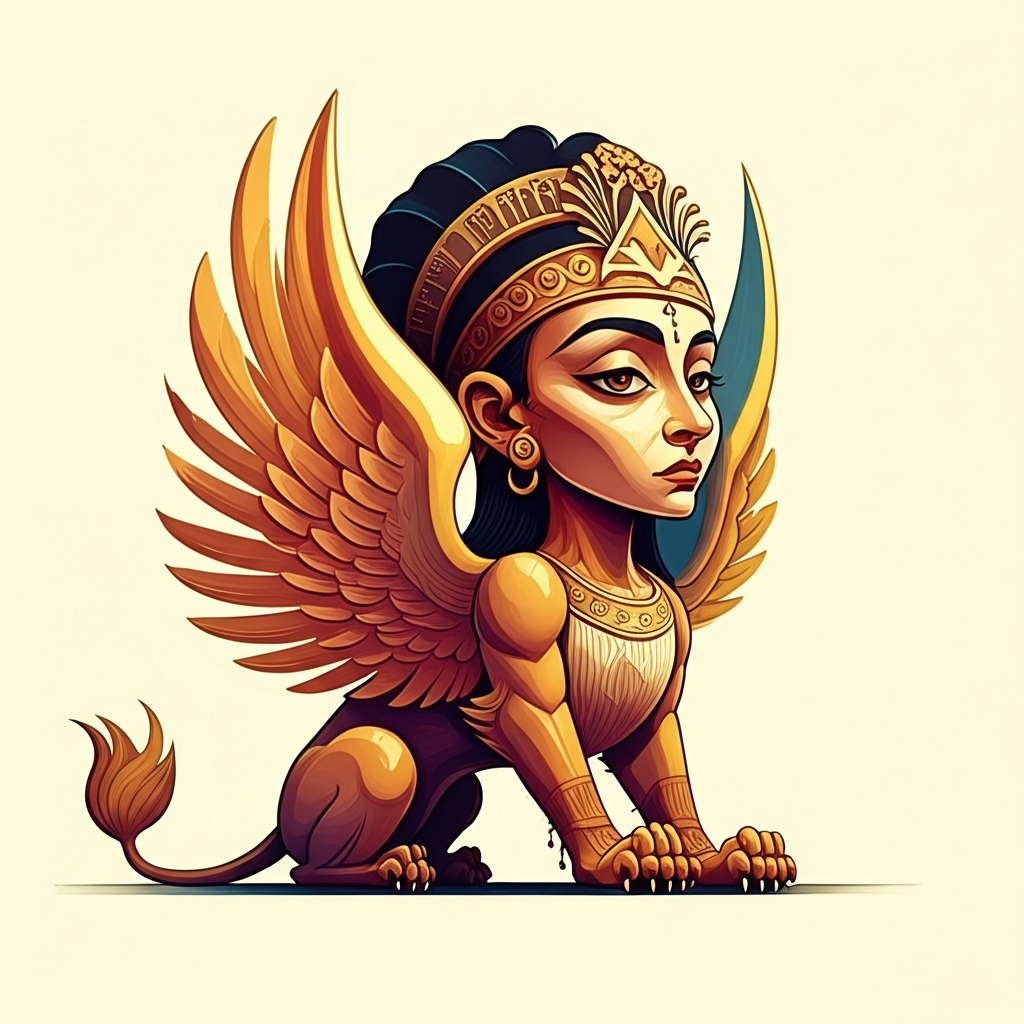
From the sun-baked landscapes of ancient Greece, where gods walked among mortals and heroes grappled with destiny, springs a tale that has echoed through millennia: the myth of the Sphinx of Thebes. This is not a historical account, nor a creed to be followed, but a vibrant tapestry woven by the imagination of ancient peoples, a story told to explain the inexplicable, to embody fears, and to celebrate the triumph of human intellect.
The myth of the Sphinx of Thebes hails from the heart of classical Greek mythology, a rich and complex system of beliefs and narratives that flourished in the Aegean world from roughly the 8th century BCE onwards. This era was characterized by a polytheistic worldview, where the natural world, human emotions, and societal structures were often personified by a pantheon of gods and goddesses. For the ancient Greeks, the world was a place of both wonder and peril, governed by forces both benevolent and capricious. Myths served as a vital tool for understanding this complex reality, offering explanations for the origins of the cosmos, the vagaries of nature, and the trials of human existence. The stories were passed down through oral tradition, sung by bards, inscribed on pottery, and sculpted into temples, forming a shared cultural heritage that shaped their understanding of themselves and their place in the universe.
Central to this particular narrative is the Sphinx, a creature of formidable and unsettling appearance. Imagine, if you will, a being that embodies disparate elements of the natural world, fused into a single, terrifying form. The Sphinx of Thebes was depicted as possessing the body of a lion, symbolizing strength and predatory power; the wings of a great bird, suggesting dominion over the skies and swiftness; and the head of a woman, hinting at a deceptive intelligence, a cunning that could ensnare the unwary. This hybrid nature itself speaks volumes about the ancient Greek perception of the world. Such creatures were not merely monsters; they were potent symbols. The lion’s ferocity represented untamed nature, the bird’s wings the vast and often unpredictable forces of the heavens, and the woman’s face, perhaps, the allure and danger of deceptive wisdom or the fatal consequences of pride and ignorance. The Sphinx was not conceived as a deity to be worshipped, but as a terrifying manifestation of the challenges and dangers that could confront humanity.
The narrative of the Sphinx of Thebes unfolds against a backdrop of profound suffering for the city of Thebes. For a time, this formidable creature perched upon the rocky heights overlooking the city, a constant and dreadful presence. Her torment was not merely one of appearance, but of action. The Sphinx posed a riddle to all who dared to pass her lair, and woe betide those who could not answer correctly. Her riddle was a cruel test, and failure meant instant death – her jaws would tear them apart, their remains a grim testament to her power. The people of Thebes lived in a state of perpetual fear, their lives dictated by the shadow of this winged terror. Travelers avoided the road, trade faltered, and the city itself seemed to shrink under the oppressive weight of her presence. The once-proud city was brought to its knees, paralyzed by the Sphinx’s relentless challenge.
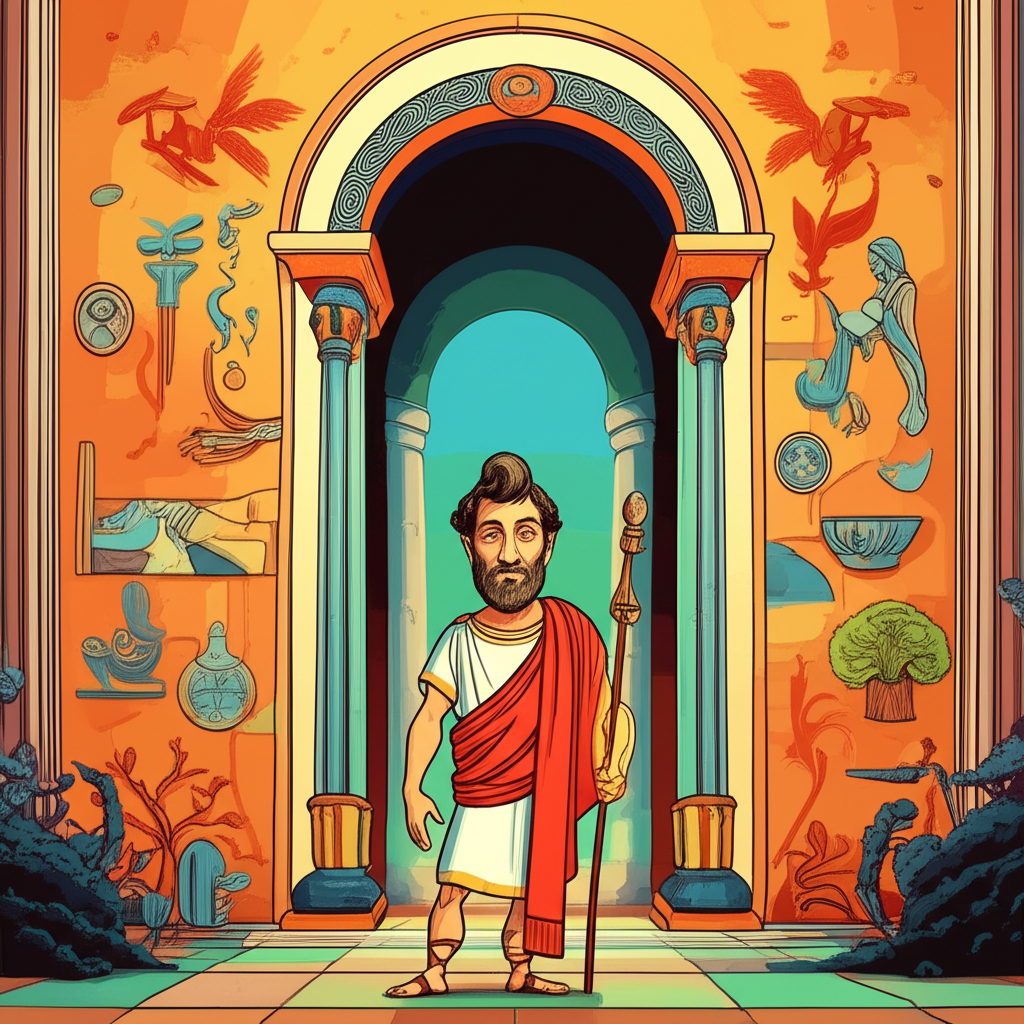
Then, a hero emerged. Oedipus, a man whose own tragic destiny was inextricably linked with Thebes, arrived at the city gates. He, too, encountered the Sphinx and her chilling question. The riddle, as it has come down to us, is famously: "What walks on four feet in the morning, two feet at noon, and three feet in the evening?" This was no simple query; it was a profound philosophical puzzle, a reflection on the very nature of existence. Oedipus, through his keen intellect and perhaps a touch of divine foresight (though we recount this as a story of human wit), pondered the question. He realized the answer lay not in a literal interpretation of animal locomotion, but in the metaphorical journey of human life. In the morning of life, an infant crawls on all fours. At the height of its strength, a person walks upright on two legs. In the evening of life, an elder often relies on a cane, thus walking on three "feet." Oedipus, with clarity and confidence, delivered the correct answer.
The Sphinx, defeated by this unexpected display of intelligence, was said to have thrown herself from her perch, her reign of terror at an end. Thebes was freed, and Oedipus was hailed as a savior, his triumph over the Sphinx marking the beginning of his complex and ultimately tragic reign as king.
The symbolism embedded within this myth is rich and multifaceted. The Sphinx, in her monstrous form and her perplexing riddle, can be seen as representing the many enigmas of life that ancient peoples sought to comprehend. She might embody the unpredictable forces of nature, the destructive potential of the unknown, or the existential challenges of mortality and the passage of time. Her defeat by Oedipus’s intellect underscores a core Greek value: the power of human reason and wisdom to overcome brute force and formidable obstacles. The riddle itself, concerning the stages of human life, speaks to a deep contemplation of the human condition, our ephemeral existence, and the inevitable march towards old age and death. It also highlights the importance of understanding oneself and the natural order of things.
In the modern world, the myth of the Sphinx of Thebes continues to captivate our imagination. It has been reinterpreted and adapted across various artistic and cultural mediums. From classic literature and dramatic retellings to contemporary novels, films, and video games, the Sphinx remains a potent symbol of mystery, danger, and the ultimate triumph of intellect. Her riddle is a common trope, often used to test protagonists and showcase their cleverness. In academic and cultural studies, the myth offers valuable insights into ancient Greek thought, their societal values, and their enduring fascination with the interplay between fate, free will, and the power of human ingenuity.
Ultimately, the myth of the Sphinx of Thebes is a testament to the enduring power of storytelling. It is a narrative born from the fertile soil of ancient Greek imagination, a story told to explore the complexities of life, to personify fears, and to celebrate the triumph of human intelligence over seemingly insurmountable challenges. As Muslims, we recognize that the true Creator and Sustainer of all existence is Allah alone. This myth, like all ancient tales, exists within the realm of cultural heritage and human creativity, offering us a window into the beliefs and worldview of a bygone era. It reminds us of the rich tapestry of human imagination, the enduring tradition of storytelling, and the universal quest to understand the mysteries that surround us.