fufufafa
From the misty shores and emerald hills of Ireland, a land steeped in ancient lore and whispered secrets, emerges the legend of Nuada’s Sword and the formidable presence of the Morrigan. These are not tales of historical fact, nor are they doctrines to be followed, but rather vibrant threads woven into the rich tapestry of ancient Celtic storytelling. They reflect the worldview, the fears, and the aspirations of people who lived long ago, seeking to understand the world around them through the power of narrative.
The cultural landscape from which these myths spring is that of Iron Age Ireland, a time of tribal societies, powerful chieftains, and a deep connection to the natural world. For these ancient peoples, the world was a dynamic place, alive with unseen forces. The rustling of leaves could be the murmur of spirits, the fury of a storm a celestial argument, and the turning of seasons a testament to the cyclical dance of life and death. Their understanding was often framed by the concept of anam, a life force or spirit that permeated all things, and the interconnectedness of the human realm with the supernatural. Gods, goddesses, and powerful beings were seen as active participants in the affairs of mortals, their influence felt in battles, harvests, and the very essence of existence. This was a world where the tangible and the intangible were not so rigidly separated, and where myth served as a vital tool for explaining the unexplainable, imparting wisdom, and shaping identity.
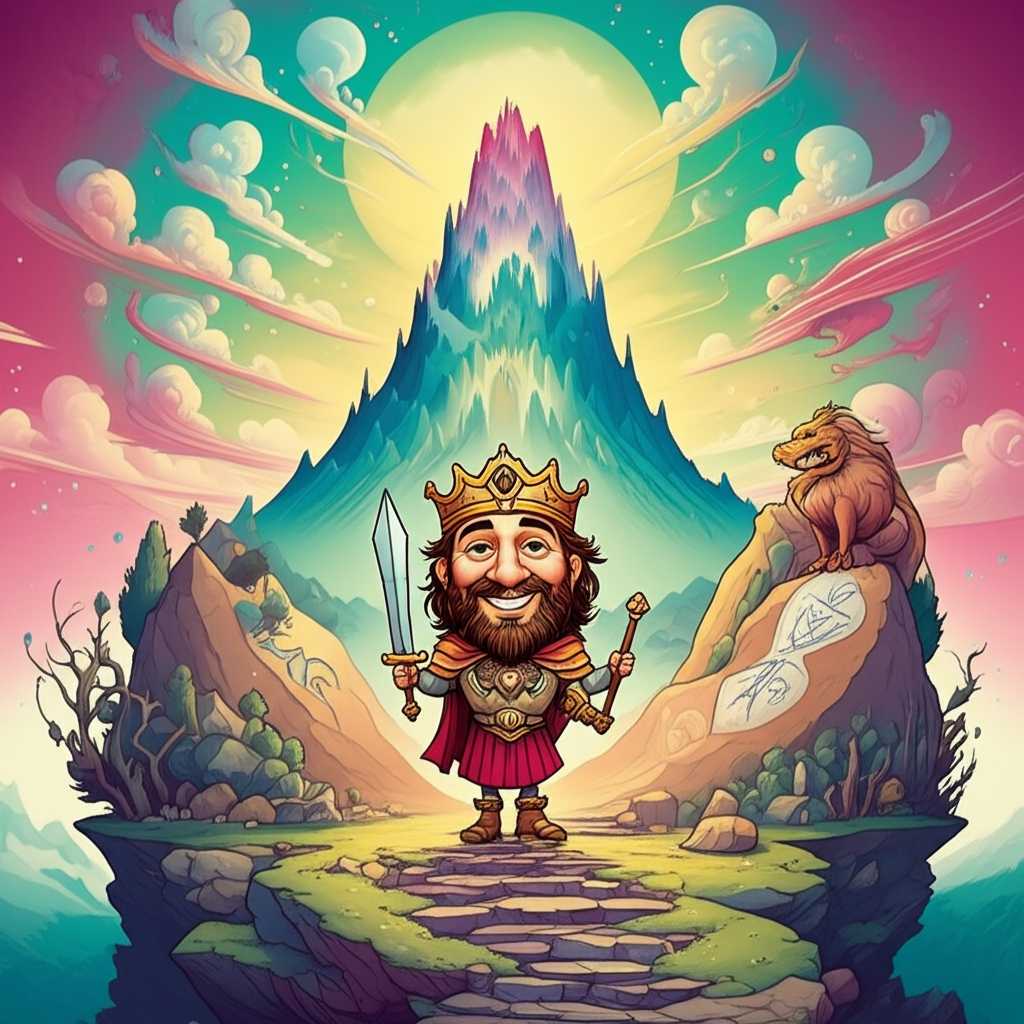
Within this evocative setting, we encounter figures of immense symbolic weight. Nuada, a prominent king of the Tuatha Dé Danann – a mythical race of gods and demigods said to have inhabited Ireland – is often depicted as a just and valiant leader. His most significant attribute, and the focus of our tale, is his sword, not merely a weapon of war, but an embodiment of kingship, justice, and the divine mandate. It is said to possess a radiant glow, capable of cleaving through anything, and to bestow victory upon its wielder. This sword symbolizes the rightful authority of a ruler, the power to defend their people, and the celestial endorsement of their reign.
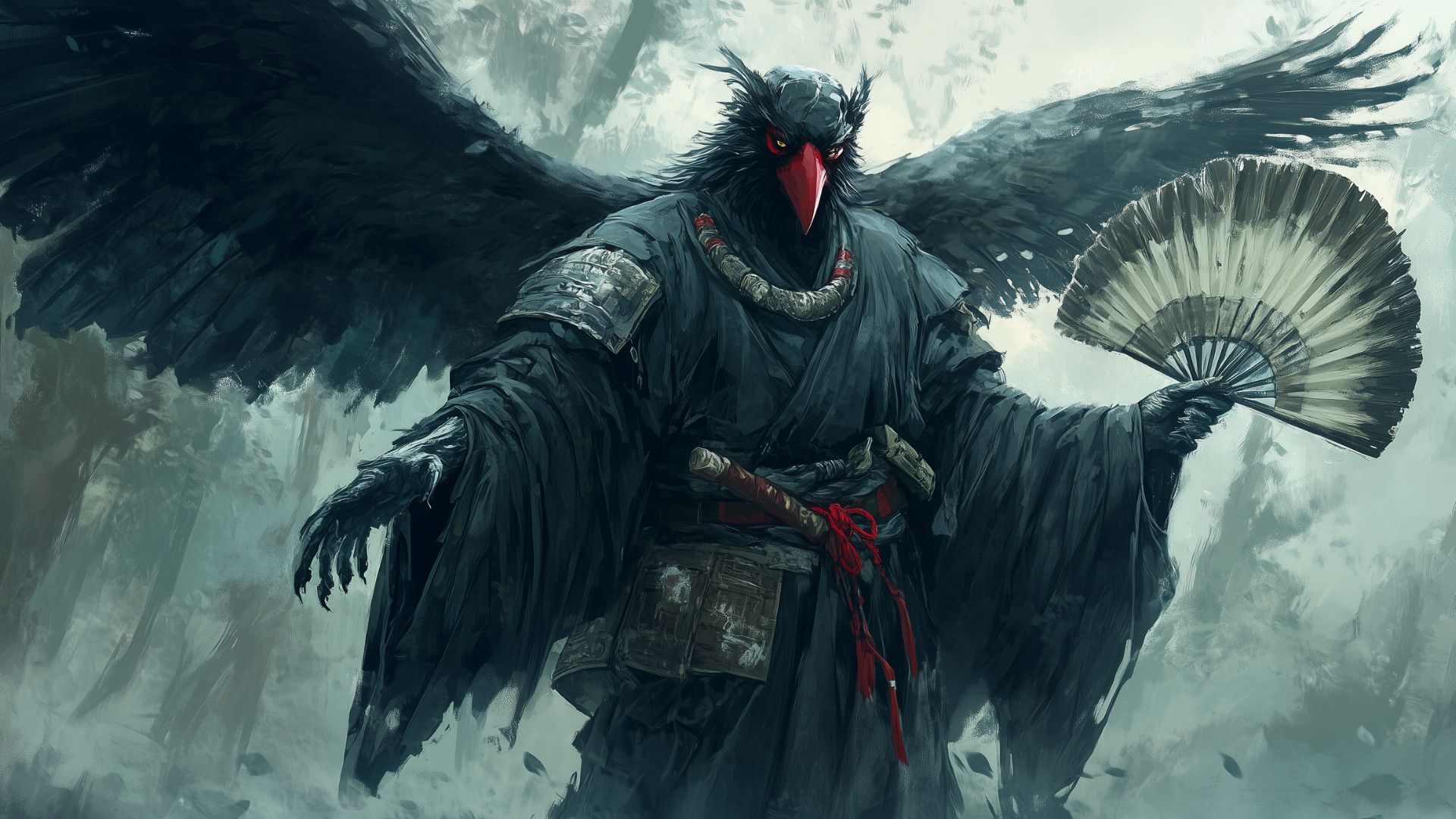
Then there is the Morrigan, a complex and often terrifying figure, whose name is associated with war, fate, and sovereignty. She is not a single entity but often appears as a trio of goddesses – Badb, Macha, and Nemain – embodying different aspects of the battlefield. Her symbolic attributes are manifold: she is the raven that circles over fallen warriors, the harbinger of doom, and the divine force that can turn the tide of battle. She represents the wild, untamed aspects of power, the inevitability of conflict, and the profound, often brutal, realities of life and death. Her presence is not about offering comfort but about acknowledging the harsh truths of existence.
The narrative of Nuada’s Sword and the Curse of the Morrigan unfolds within the grand sagas of the Tuatha Dé Danann. In one prominent telling, Nuada, having lost his arm in the First Battle of Magh Tuired, is forced to relinquish his kingship, as a king was deemed imperfect if physically marred. This loss of his limb, and consequently his crown, represented a fracture in the divine order, a vulnerability within the leadership. However, Nuada, with the aid of the physician Dian Cécht, receives a silver arm, a marvel of craftsmanship, and is thus able to reclaim his throne. This act of restoration is crucial, for it highlights the importance of wholeness and legitimacy in leadership.
Yet, the story doesn’t end with Nuada’s physical restoration. The true test, and the introduction of the Morrigan’s potent influence, comes when the Fomorians, a race of monstrous beings often depicted as ancient, chaotic forces, rise to challenge the Tuatha Dé Danann. In the ensuing conflict, the Second Battle of Magh Tuired, Nuada wields his magnificent sword, its gleam a beacon of hope and defiance. It is here that the Morrigan’s presence becomes palpable. She is often depicted as appearing before the battle, a shadowy figure surveying the carnage to come, or actively influencing the minds of warriors, instilling courage in one army and terror in another.
The "curse" of the Morrigan is not a singular spoken incantation in most tellings, but rather her inherent power to shape destiny, particularly in the context of war. She embodies the grim inevitability of conflict and its devastating consequences. While Nuada’s sword represents the righteous power of kingship and the potential for victory, the Morrigan represents the forces that test that leadership, the chaos that can erupt, and the ultimate price of war. Her presence can be seen as a stark reminder that even the most powerful of rulers and the most gleaming of weapons are subject to the larger, often unforgiving, currents of fate and the brutal realities of conflict. The sword may win battles, but the Morrigan presides over the ultimate outcome, the enduring impact of those battles on the land and its people.
The symbolism embedded within this tale is profound. Nuada’s sword speaks to the ideals of leadership: justice, strength, and the sacred right to rule. It represents the aspiration for order and prosperity that a good king embodies. The silver arm, a symbol of repair and renewal, highlights the resilience required of leadership, the ability to overcome adversity. Conversely, the Morrigan embodies the primal forces of chaos and destruction, the cyclical nature of life and death, and the grim realities of warfare. She can be seen as representing the untamed aspects of nature, the fearsome power of the unknown, and the moral ambiguities that often accompany conflict. Together, the gleaming sword and the shadowy Morrigan illustrate the eternal tension between order and chaos, creation and destruction, and the enduring struggle for balance in the world.
In contemporary times, these ancient Irish myths continue to resonate, finding new life in various forms of popular culture. The Tuatha Dé Danann, Nuada, and the Morrigan frequently appear in fantasy literature, video games, and films. They are often reinterpreted, their roles sometimes simplified or expanded upon, but their core symbolic power remains. These modern interpretations, while often drawing inspiration from the original tales, are products of contemporary imagination and serve different purposes, whether it be thrilling entertainment or exploring universal themes of power, destiny, and the human condition. In cultural studies, these myths are invaluable resources for understanding the historical worldview, societal values, and artistic expressions of ancient Celtic societies.
It is crucial to reiterate that the story of Nuada’s Sword and the Curse of the Morrigan is a product of ancient storytelling, a testament to human imagination’s enduring power to create meaning and explain the world. As Muslims, we recognize that the true Creator and Sustainer of all existence is Allah (SWT), and that all power and dominion belong to Him alone. These ancient narratives, while fascinating from a cultural and historical perspective, do not represent divine truth. They offer a window into the beliefs and imagination of past peoples, a glimpse into how they grappled with the mysteries of life, war, and leadership.
The enduring appeal of such myths lies in their ability to spark our imagination and connect us to our shared heritage of storytelling. They remind us of the diverse ways in which humanity has sought to understand itself and its place in the cosmos, through the vibrant and often wondrous realm of legend. The gleam of Nuada’s legendary blade and the haunting whispers of the Morrigan serve as potent reminders of the rich cultural tapestry woven by our ancestors, a tapestry that continues to inspire and captivate us today.