fufufafa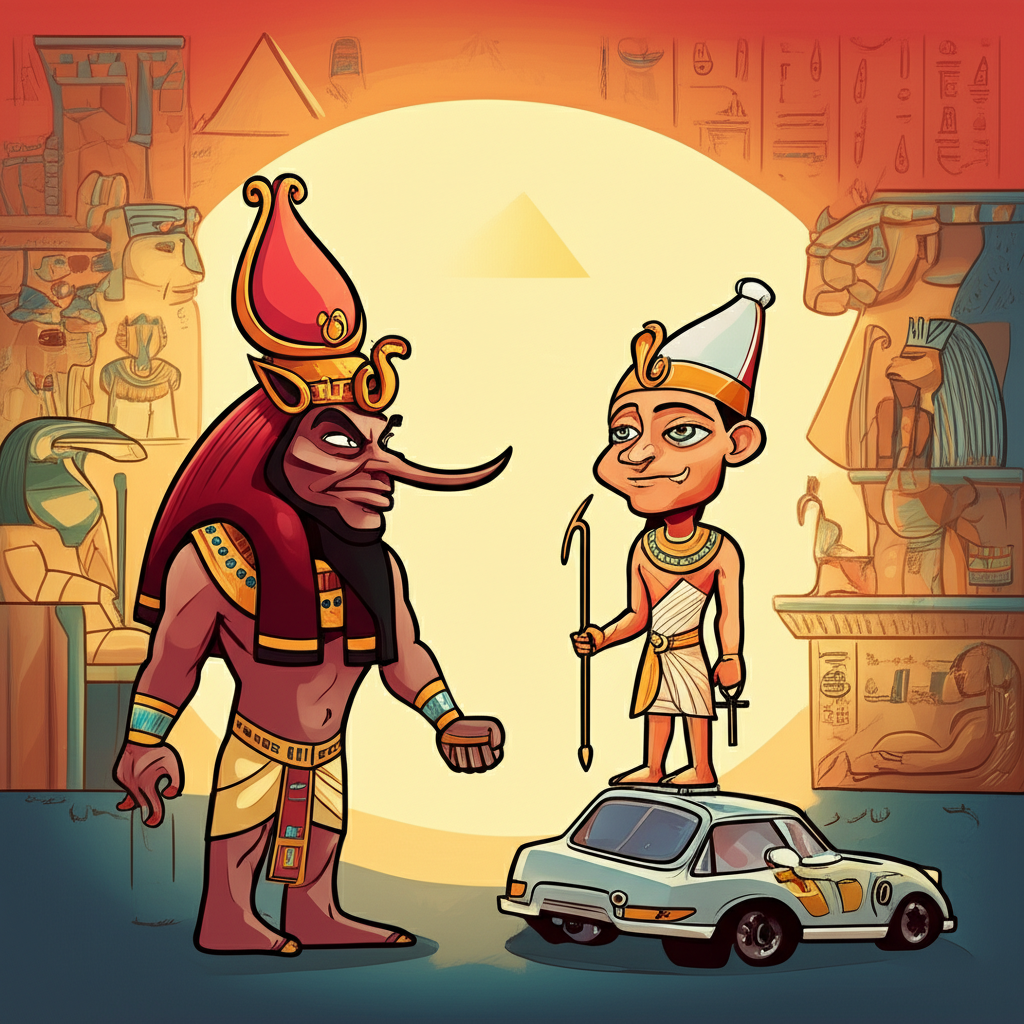
From the sun-baked sands and the life-giving embrace of the Nile River, ancient Egypt gifted the world a rich tapestry of myths and legends. These stories, woven into the fabric of their daily lives, sought to explain the mysteries of the cosmos, the rhythms of nature, and the complexities of human existence. Among these enduring tales is the saga of Set and Horus, a dramatic narrative of divine succession, fratricide, and the arduous trial that determined the rightful ruler of the Egyptian cosmos. This is not a chronicle of divine decree, but rather a captivating story passed down through generations, offering a window into the worldview of a remarkable civilization.
The era in which these stories flourished was one of profound reverence for the divine and an intricate understanding of the cyclical nature of life and death. Ancient Egyptians lived in a world where the celestial bodies were not mere distant lights but active participants in the grand drama of existence. The inundation of the Nile was not simply a seasonal event but a blessing from the gods, ensuring fertility and prosperity. Their society was deeply hierarchical, with the Pharaoh at its apex, a mortal bridge between the earthly realm and the divine. In this context, the struggle for kingship, even among gods, was a matter of immense consequence, reflecting the anxieties and aspirations of the people themselves. They viewed the universe as a delicate balance, constantly threatened by chaos, and the gods, with their own internal conflicts, mirrored this struggle between order and disorder.
Central to this narrative are two formidable figures. Set, often depicted as a powerful, bestial entity, is characterized by his distinctive "Set animal" head – a creature of legend, neither wholly ass, nor dog, nor any identifiable earthly beast, but a composite symbol of untamed power. His attributes are often associated with the desert, storms, foreign lands, and a fierce, unpredictable strength. He embodies the chaotic forces that lie beyond the ordered, fertile lands of Egypt. Set is not inherently evil in the simplistic sense, but rather represents a primal, untamed energy, a force that, while dangerous, also possesses a raw, vital power.
His adversary, Horus, the falcon-headed god, is the son of Osiris and Isis. He is the embodiment of rightful succession, divine kingship, and the triumph of order over chaos. The falcon, with its keen sight and soaring flight, symbolizes kingship, protection, and the sun’s watchful eye. Horus represents the celestial order, the benevolent rule that brings stability and prosperity to the land. His lineage, marked by his father’s tragic demise, imbues him with a profound sense of justice and the imperative to reclaim his father’s throne.
The narrative of the "Trial of Contendings" unfolds as a protracted and often brutal conflict between these two divine claimants. Following the murder and dismemberment of his father, Osiris, by his envious brother Set, Horus dedicates himself to avenging his father and securing his rightful inheritance of the throne of Egypt. This is not a swift, decisive battle, but a prolonged struggle, a series of trials and tribulations played out before the divine tribunal, presided over by the sun god Ra and a council of other deities.
The trials themselves are a testament to the imaginative prowess of the ancient storytellers. They are not mere physical confrontations but cunning tests of wit, strength, and divine legitimacy. In one infamous episode, the gods, unable to decisively settle the dispute, decree a series of challenges. Set, in his brute strength and cunning, proposes a boat race, the first to reach a predetermined destination winning. He constructs a vessel of wood, but cunningly sheathes it in white plaster, intending for it to appear as if made of stone, thus guaranteeing its buoyancy and speed. Horus, however, sees through this deceit and constructs a boat of wood, but then rips it apart and uses the pieces to construct a lighter, faster vessel. When Set’s deceptive boat inevitably sinks, he flies into a rage, further demonstrating his volatile nature.
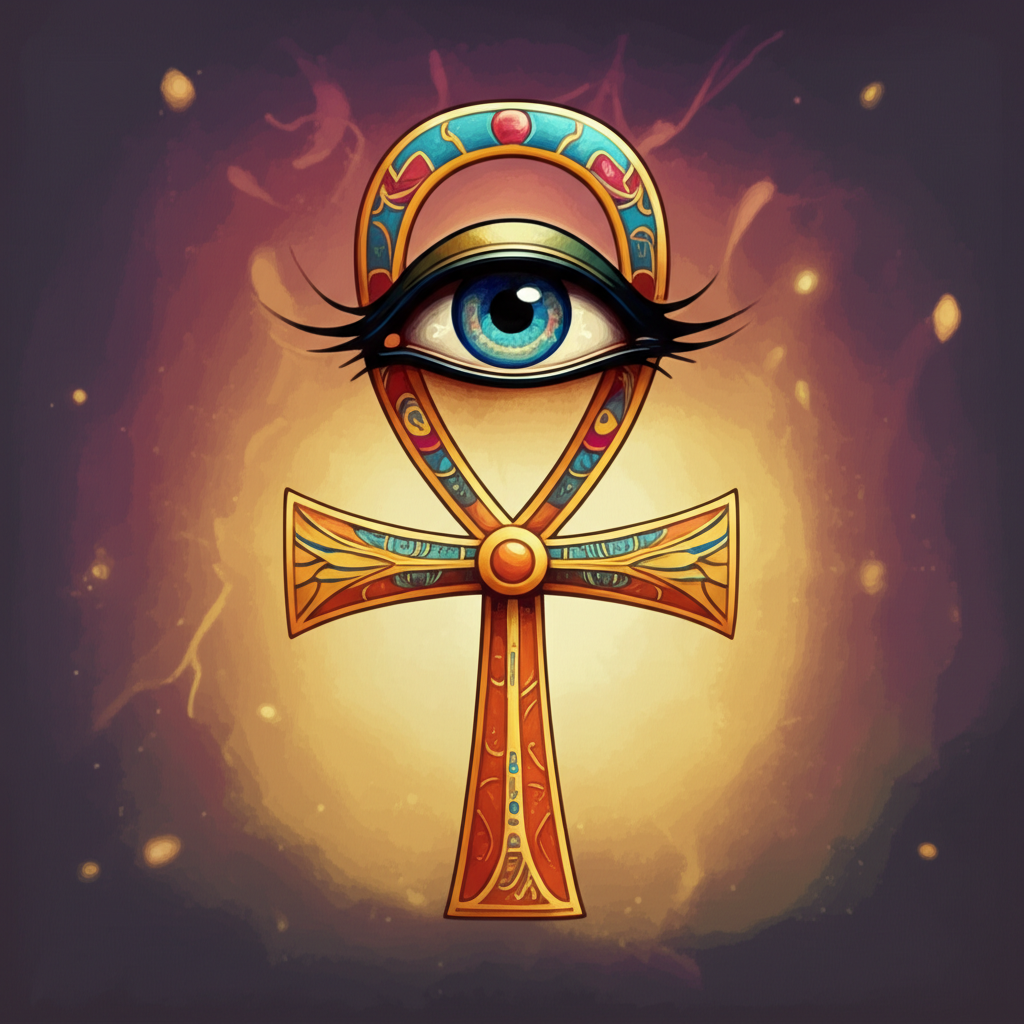
Another trial involves a contest of physical prowess, where Set, in a grotesque act of divine aggression, attacks Horus and tears out his left eye. This eye, the "Eye of Horus," becomes a potent symbol of healing, protection, and restoration. The gods, horrified by Set’s barbarity, intervene, and Horus, through the magic of Isis, is eventually healed, though the eye remains a symbol of his ordeal and eventual triumph. The trials continue, filled with cunning deception, violent outbursts, and divine pronouncements. The gods themselves are divided, some favoring Set’s raw power and others Horus’s legitimate claim and benevolent disposition. The fate of Egypt hangs precariously in the balance, its stability dependent on the outcome of this cosmic legal battle.
The symbolism embedded within the story of Set and Horus is rich and multifaceted. The eternal conflict between the two gods can be interpreted as a representation of the fundamental duality of the ancient Egyptian worldview: the perpetual struggle between order (Ma’at) and chaos (Isfet). Horus, with his association with the fertile Nile valley and divine kingship, embodies Ma’at – truth, justice, balance, and cosmic order. Set, the lord of the desert and storms, embodies Isfet – disorder, violence, and destruction. The trials are thus a cosmic reenactment of the ongoing effort to maintain this delicate balance, to push back the encroaching forces of chaos and preserve the established order.
Furthermore, the story speaks to the importance of legitimate succession and divine right. Horus’s claim to the throne is hereditary, passed down from his father Osiris, and his struggle is a vindication of this principle. Set’s usurpation represents the threat of illegitimate power and the dangers of ambition untethered by justice. The restoration of Horus’s eye symbolizes healing, renewal, and the ability of the divine to overcome even the most grievous wounds, a powerful message of hope and resilience for the people.
In the modern world, the myth of Set and Horus continues to resonate, albeit through different lenses. In literature and popular culture, they are often depicted as archetypal figures of good versus evil, or as complex characters grappling with power and destiny. Their story has been adapted into countless books, films, and video games, where they serve as dramatic foils, exploring themes of betrayal, redemption, and the eternal battle for control. In academic circles, scholars of Egyptology and comparative mythology delve into these narratives to understand the socio-political structures, religious beliefs, and psychological landscape of ancient Egypt. The symbolism of the Eye of Horus, in particular, has transcended its mythical origins and is now recognized globally as a symbol of protection and healing.
It is crucial to reiterate that this narrative, while deeply ingrained in cultural heritage, is a traditional story told by ancient people. As Muslims, we recognize that only Allah (God) is the true Creator and Sustainer of all existence, the ultimate source of all power and authority. These ancient tales, however, offer a fascinating glimpse into the human desire to understand the world around them and to find meaning in the cycles of life, death, and renewal. The story of Set and Horus, with its dramatic confrontations and profound symbolism, stands as a testament to the enduring power of human imagination and the rich tradition of storytelling that connects us to our past, reminding us of the diverse ways in which humanity has sought to interpret its place in the grand tapestry of existence.